
If your skin has started feeling tighter, itchier, or just… different, you are not imagining it. The drop in estrogen that comes with menopause directly impacts your skin’s ability to hold onto moisture. Collagen production slows, natural oil secretion decreases, and the skin barrier becomes more fragile. The good news? A targeted moisturizing routine can make a real difference in comfort and appearance — and it doesn't have to be complicated.
Below, we break down what changes, what ingredients actually help, and how to layer your products for the best results. This is not about a ten-step regimen. It is about choosing the right textures and ingredients for your skin’s new normal.
Why menopause changes your skin’s moisture needs
Estrogen plays a key role in maintaining skin thickness, elasticity, and hydration. During perimenopause and menopause, declining estrogen levels lead to:
- Decreased sebum production (less natural oil)
- Thinner epidermis and dermis (less collagen and elastin)
- A compromised skin barrier (more water loss)
This trifecta means that even if you had oily or combination skin before, you may now find yourself dealing with dryness, flaking, and sensitivity. Replacing lost moisture is not about slapping on any lotion — it is about reinforcing the barrier and giving the skin what it no longer makes on its own.
Key ingredients that actually help
Look for products formulated with ingredients that mimic or supplement your skin’s natural moisturizing factors. Not all moisturizers are created equal for menopausal skin.
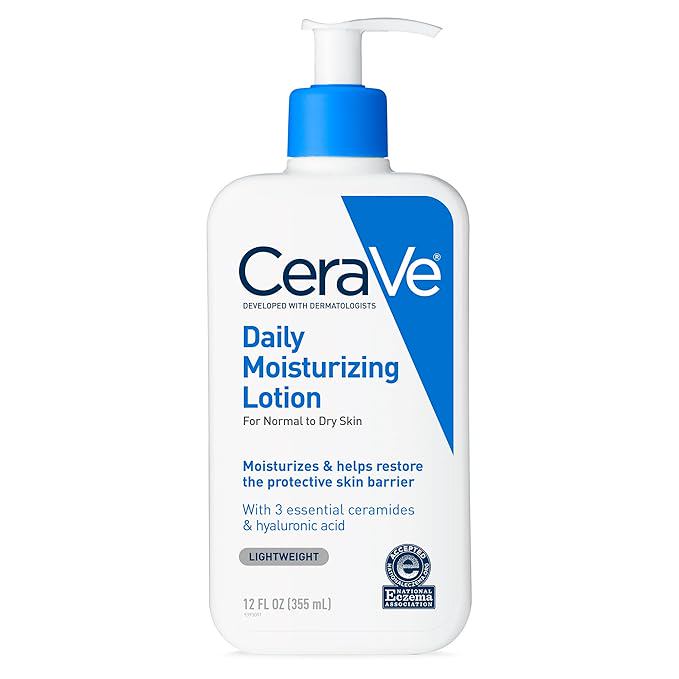
Ceramides
Ceramides are lipids that form a crucial part of the skin’s barrier. When levels drop, moisture escapes more easily. A moisturizer with a ceramide complex helps restore that barrier, reducing dryness and irritation.
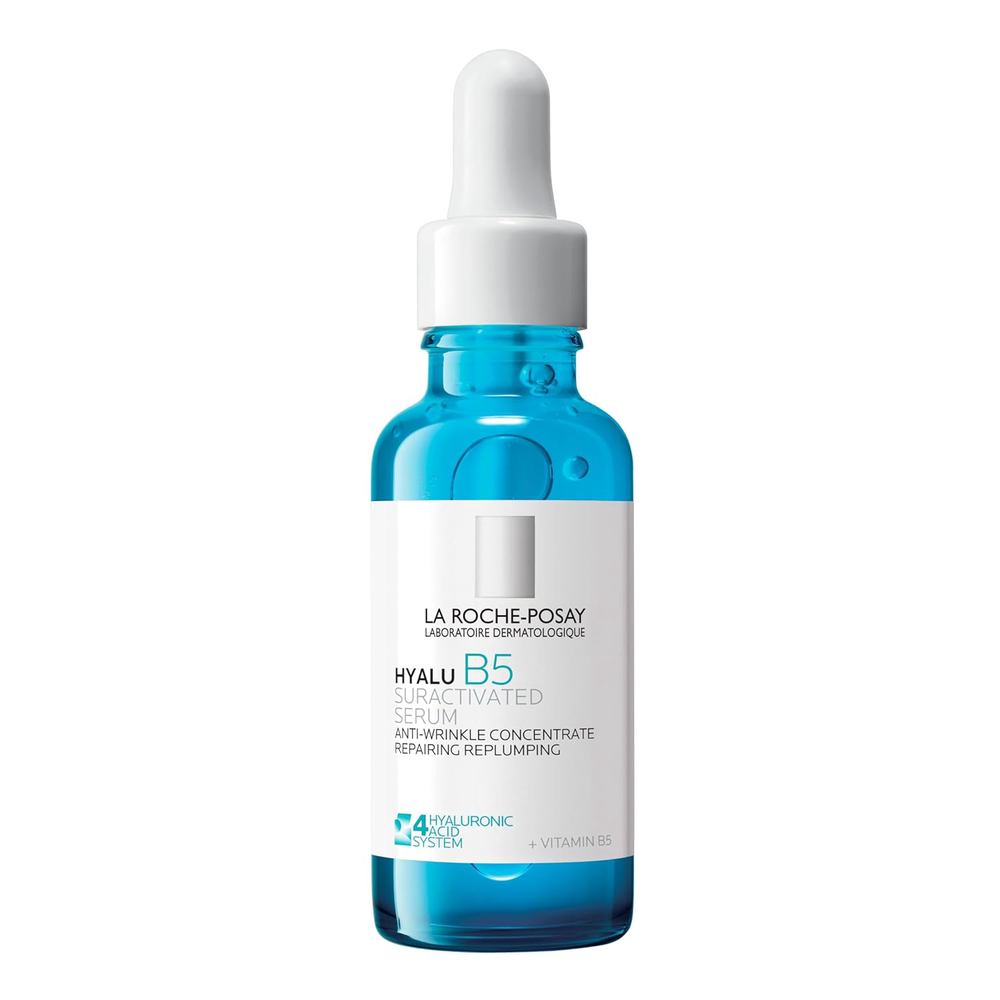
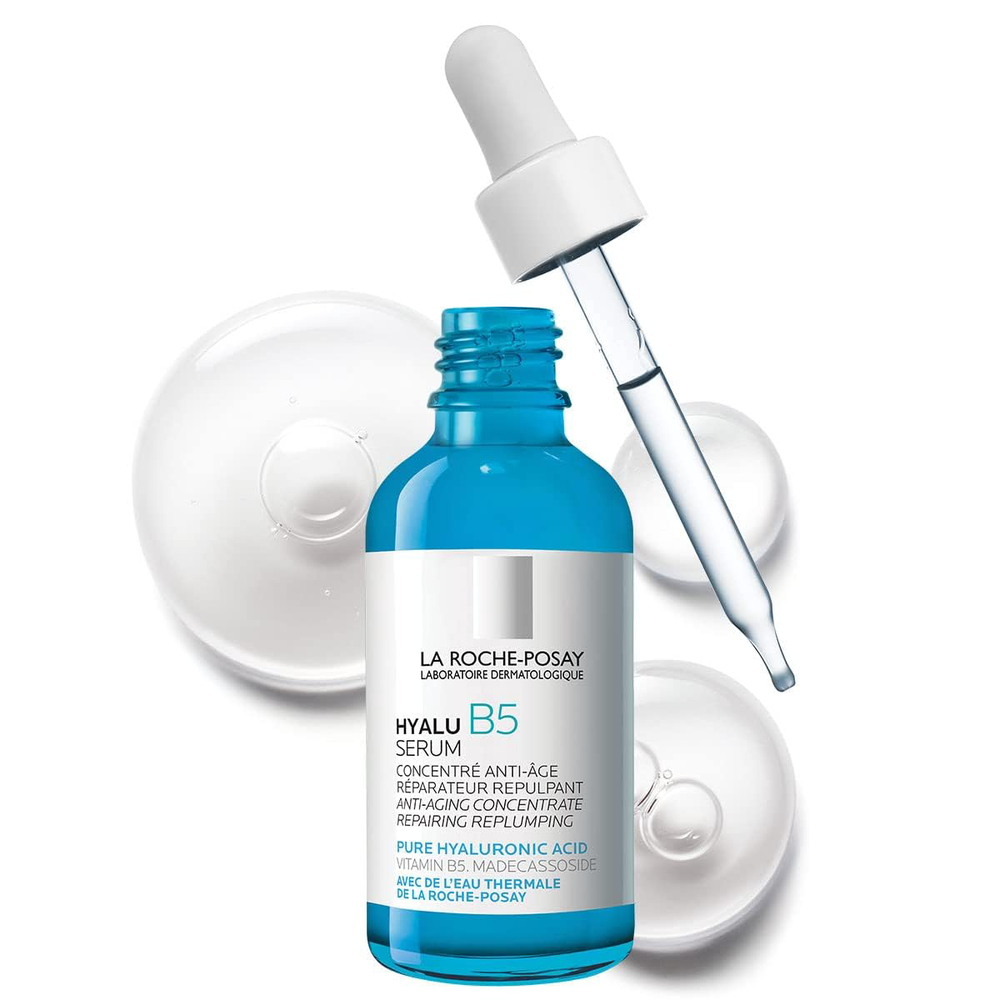
Hyaluronic acid
This humectant pulls water into the skin from the environment and from deeper layers. It provides a plumping effect without adding oil — ideal for those who still have some shine but feel dehydrated. Apply it to damp skin for maximum benefit.
Glycerin and squalane
These are gentle, well-tolerated humectants and emollients. Glycerin draws moisture in; squalane softens and smooths. They are especially good if your skin has become reactive to stronger actives.
Niacinamide
Also known as vitamin B3, niacinamide supports barrier function, reduces redness, and helps the skin hold onto moisture. It pairs well with other ingredients and is generally non-irritating.
A quick caveat: avoid over-exfoliating. While it is tempting to scrub away flakes, aggressive exfoliation can further damage a fragile barrier. Stick to gentle, non-abrasive exfoliants if you use them at all.
Building your routine: order matters
How you layer your products affects how well they work. The general rule is thinnest to thickest. Here is a practical order to consider:
- Cleanse gently. Use a non-foaming, milky or oil-based cleanser that does not strip the skin. Avoid hot water.
- Apply a hydrating serum. Something with hyaluronic acid or glycerin goes on clean, damp skin.
- Use a moisturizer. This should contain ceramides, squalane, or niacinamide. If your skin is very dry, choose a cream rather than a lotion.
- Lock it in with a facial oil (optional). A few drops of a non-comedogenic oil (like jojoba or rosehip) can seal in the layers underneath, especially overnight.
For the body, the same principles apply. After showering, apply a thick cream or balm while skin is still slightly damp. Look for formulas with shea butter, oat, or colloidal oatmeal to calm any itchiness.
Should you use a humidifier?
Yes — especially if you live in a dry climate or sleep with heating or air conditioning. Low humidity accelerates transepidermal water loss. A cool-mist humidifier in the bedroom can help your skin stay plump and calm overnight.
When to adjust your routine
Menopausal skin is not static. You might need a richer cream in winter and a lighter gel-cream in summer. Pay attention to how your skin feels after washing: if it feels tight or looks ashy, you need more emollient. If it feels greasy but still dehydrated, try a humectant serum under a lighter moisturizer.
If you are experiencing severe dryness, flaking, or redness that does not improve with a consistent routine, consider checking in with a dermatologist or a menopause-trained skincare professional. There are prescription options and medical-grade barrier repair products that may be appropriate for your individual needs.
Consistency is more important than novelty. A simple, two-to-four product routine with the right ingredients, applied in the right order, can dramatically improve how menopause skin feels and looks. Give it a few weeks — your skin will tell you if it is working.