When you’re navigating postmenopause, movement can feel different—your joints may ache, your energy might flag, or you might worry about injury. But the research is clear: gentle, consistent exercise is one of the most powerful tools for managing weight, supporting bone density, and steadying your mood during this stage. The key is choosing routines that work with your body, not against it.
Low-impact exercise doesn’t mean low effort. It means you’re protecting your joints, ligaments, and bones while still building strength, flexibility, and cardiovascular fitness. Here’s what the experts recommend for postmenopause, along with practical ways to start.
Why low-impact exercise matters after menopause
After menopause, estrogen levels drop, which affects your bones, muscles, and heart. You become more vulnerable to osteoporosis, sarcopenia (muscle loss), and changes in metabolism. Low-impact exercise reduces the risk of fractures and joint strain while supporting muscle mass and balance. A 2021 review in Menopause found that regular low-impact activity significantly improved bone mineral density and reduced fall risk in postmenopausal women.
The best low-impact routines for postmenopause
Walking with intention
Walking is the most accessible low-impact exercise, but to get the most benefit, add variety. Include intervals—walk briskly for two minutes, then recover at a moderate pace for one minute. Add hills or stairs if your knees allow. Aim for 30 minutes most days. Use supportive walking shoes with good arch support. Walking strengthens your legs, heart, and lungs without jarring your spine or hips.
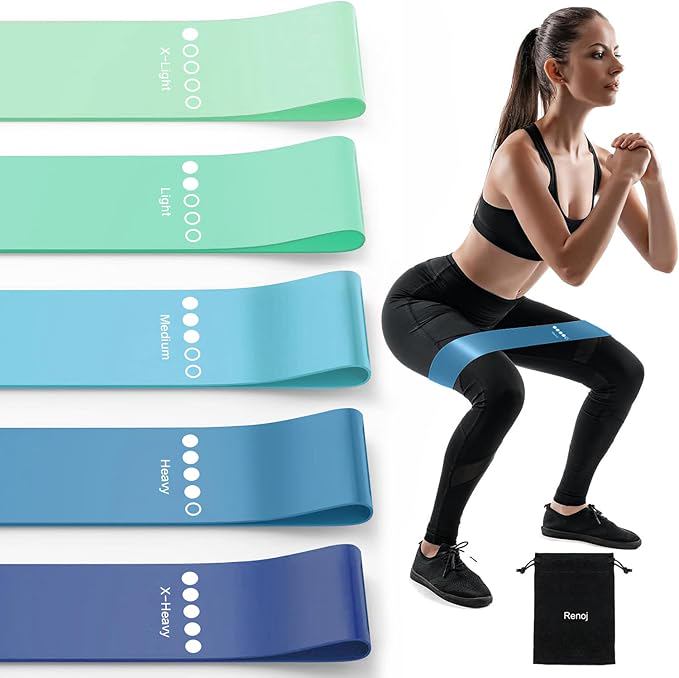
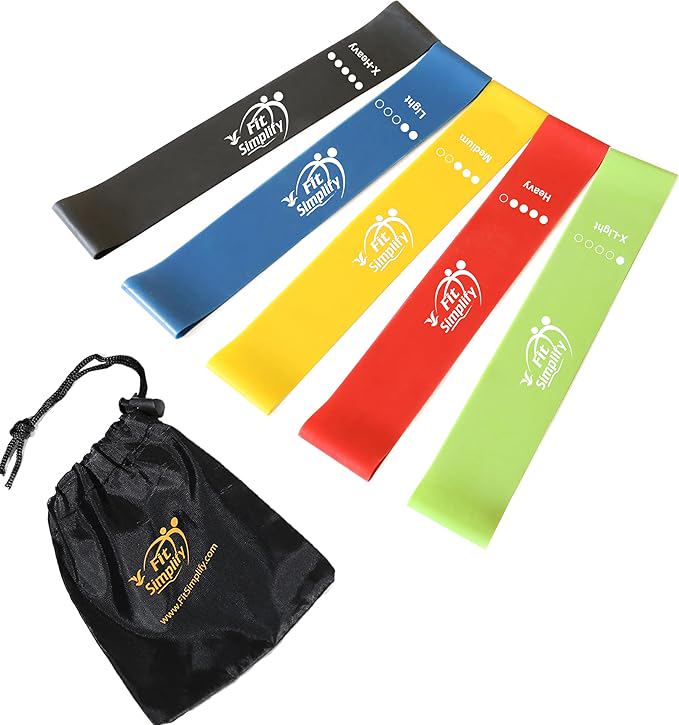
Strength training with resistance bands or light weights
Muscle loss accelerates after menopause, but strength training counteracts it. Focus on compound movements: squats, lunges, rows, and chest presses. Resistance bands are joint-friendly and portable. Start with two sessions per week, 8–12 repetitions per exercise. Proper form matters more than heavy weight. A 2019 study in Osteoporosis International noted that resistance training improved bone density in the hip and spine among postmenopausal women.
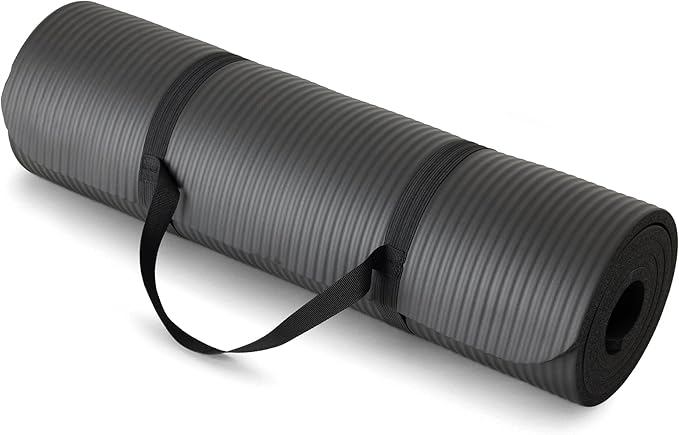
Pilates for core stability and posture
Pilates emphasizes core strength, spinal alignment, and controlled movement. Many postmenopausal women experience a forward head posture or lower back pain; Pilates addresses both. Mat-based Pilates is low-impact and can be modified for any fitness level. Focus on exercises like the pelvic curl, spine twist, and single leg stretch. A 2020 study in the Journal of Bodywork and Movement Therapies found that 12 weeks of Pilates improved balance and reduced back pain in postmenopausal women.
Yoga for flexibility, balance, and stress relief
Yoga combines stretching with strength and mindfulness. Hot yoga is not recommended if you’re prone to dizziness or have blood pressure concerns; instead, choose gentle Hatha, restorative, or Iyengar yoga (which uses props). Key poses include mountain pose, warrior II, cat-cow, and legs-up-the-wall. Yoga lowers cortisol, which can be elevated after menopause, and improves joint mobility. Avoid deep backbends or headstands without expert guidance.
Tip: If you have osteoporosis, avoid forward bends from the waist, twists, or any pose that compresses the spine. Work with a teacher who understands bone health.
Tai chi for balance and calm
Tai chi is a slow, flowing martial art that builds coordination, leg strength, and stability. Multiple studies, including a 2022 meta-analysis in BMC Geriatrics, show tai chi reduces falls by 43% in older adults. It’s especially valuable for postmenopausal women because it strengthens the muscles around the hips and ankles. Look for beginner classes labeled “Sun-style” or “Yang-style,” which are gentler.
How to build a safe weekly plan
Start with three days of activity and gradually work up to five. A balanced week might look like:
- Monday: 30-minute walk plus 10 minutes of resistance bands
- Wednesday: 30-minute Pilates session
- Friday: 20-minute tai chi or gentle yoga
- Saturday: 40-minute walk with intervals
Always include a 5-minute warm-up (marching in place, arm circles) and a cool-down with gentle stretching. Listen to your body—if a joint hurts during an exercise, modify or skip it. Consider working with a physical therapist or certified personal trainer experienced with postmenopausal clients.
Caveat: If you have osteoporosis, high blood pressure, or a heart condition, get medical clearance before starting a new routine. Some movements—like high-impact jumps or heavy overhead presses—may not be safe.
What to avoid
High-impact activities like running, jumping rope, or plyometrics can stress vulnerable joints and increase fracture risk if bone density is low. Sit-ups, toe touches, and crunches can compress the spine. Overhead lifting with heavy weights may also be risky for some. That doesn’t mean you can never do these things—it means you should only do them under professional supervision and with a bone density scan that shows they’re safe.
Also avoid prolonged sitting. Break up long sedentary periods with a few minutes of walking or stretching every hour. This helps maintain circulation and stabilizes blood sugar.
Listen to your body—seriously
Your exercise tolerance may change from day to day. Some days, a gentle 15-minute walk will be enough. Other days, you’ll feel strong. The most sustainable approach is to honor where you are and avoid the “no pain, no gain” mindset. Consistency over intensity wins at this stage of life.