
If you find yourself dealing with the unexpected and often embarrassing symptoms of urinary incontinence, you are not alone. Millions of people experience this condition, especially as they age or go through life stages like menopause. While there are many treatment options, one of the most accessible and empowering places to start is right in your own kitchen. Simple dietary adjustments can significantly reduce bladder irritation, improve muscle control, and help you regain confidence.
It is important to understand that no single diet will "cure" incontinence. Instead, the goal is to eat in a way that supports your bladder's lining, keeps your pelvic floor muscles strong, and minimizes irritating triggers. Below is expert-backed advice on how to approach diet changes for symptom relief, broken down into what to limit, what to embrace, and how to tell what works for your unique body.
Which foods and drinks can irritate your bladder?
The bladder is a sensitive organ. Certain substances can act as diuretics (making you produce more urine quickly) or direct irritants to the bladder lining. Cutting back on these common triggers is often the first line of dietary defense.
A quick note on elimination: You do not need to cut out all these foods forever. Try removing them for 2–4 weeks, then reintroduce them one at a time to see how your bladder reacts.
- Caffeine: Found in coffee, black tea, green tea, and many sodas. It is a known bladder stimulant and diuretic. Even decaf coffee has small amounts of caffeine that may affect sensitive bladders.
- Acidic fruits and juices: Cranberries, oranges, grapefruits, lemons, limes, and tomatoes are highly acidic. While healthy, they can aggravate incontinence in some people.
- Spicy foods: Chili peppers, hot sauce, curry, and horseradish can irritate the bladder lining. This is a very common trigger for those with overactive bladder symptoms.
- Carbonated beverages: The bubbles in soda, seltzer, and sparkling water can cause bloating and pressure, which may trigger urgency and leaks.
- Alcohol: It suppresses the hormone that helps your kidneys concentrate urine (antidiuretic hormone), leading to large amounts of dilute urine that the bladder cannot hold well.
- Artificial sweeteners: Saccharin, aspartame, and sucralose (found in many diet drinks and sugar-free snacks) have been reported to irritate the bladder, though research is mixed.
Should I drink less water to avoid accidents?
This is a common and understandable strategy, but it often backfires. Restricting total fluid intake leads to concentrated, dark urine. This highly concentrated urine can burn and irritate the bladder lining, making incontinence symptoms worse. Dehydration can also cause constipation, which puts extra pressure on the bladder.
The smarter approach is to optimize your fluid intake. Drink enough water so your urine is a pale straw color. Spread your fluid intake evenly throughout the day, and try to reduce drinking in the two hours before you go to bed. This helps train your bladder to hold a moderate volume without overwhelming it at night.
What to eat more of for bladder support
Just as some foods irritate, others can soothe and strengthen. Focus on building your diet around these categories:
Fiber-rich foods to prevent constipation
The bowel sits directly behind the bladder. When you are constipated, a hard, full colon presses on the bladder, reducing its capacity and increasing urgency. Eating high-fiber foods like oats, barley, lentils, berries, apples, broccoli, and leafy greens keeps you regular and reduces pressure. Aim for 25–35 grams of fiber daily, and increase water intake as you add fiber to avoid making constipation worse.
Foods with magnesium and potassium
These electrolytes help muscles function properly, including the pelvic floor muscles that control urine flow. Avocados, bananas, sweet potatoes, spinach, pumpkin seeds, and dark chocolate (in moderation) are excellent sources. Some small studies suggest magnesium may help reduce nighttime incontinence episodes.
Lean protein to maintain muscle mass
As we age, especially during menopause, muscle loss accelerates. The pelvic floor is a set of muscles that needs strength to close the urethra. Adequate protein from skinless poultry, fish, eggs, tofu, and legumes supports muscle repair and maintenance. This works best alongside targeted pelvic floor exercises (Kegels).
Low-acid fruits and vegetables
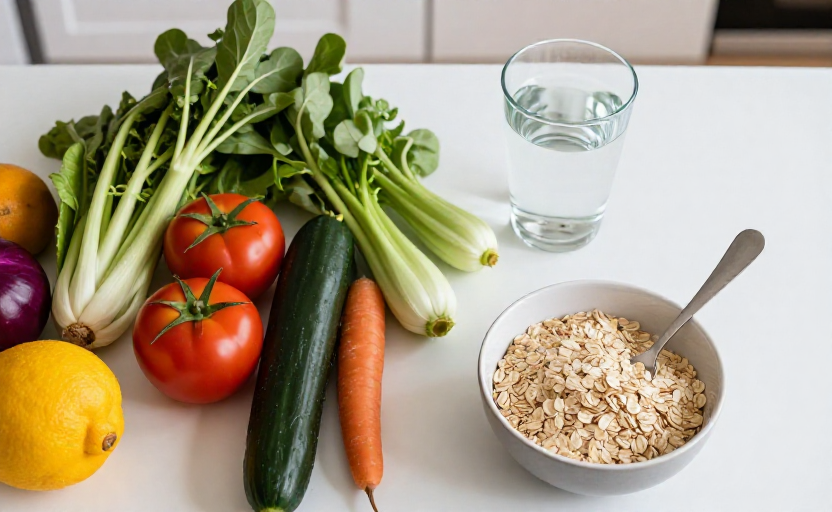
Swap the citrus and tomatoes for gentler options. Bananas, pears, melons, blueberries, and green grapes are low in acid. Vegetables like carrots, cucumber, zucchini, and bell peppers provide vitamins without the chemical punch that can set off a sensitive bladder.
Can what you drink change your symptoms?
Absolutely. Beyond cutting triggers and staying hydrated, the specific beverages you choose can make a marked difference. Plain, clean water is the gold standard. However, if you crave flavor, try infusing water with a few slices of cucumber or a small handful of fresh mint leaves. Chamomile or rooibos teas are naturally caffeine-free and can be soothing. Diluted pear or white grape juice are low-acid alternatives to orange or cranberry juice.
Pro tip: Keep a bladder diary for two weeks. Note what you ate and drank, and when you had leaks or urgency. Most people find specific patterns that are unique to them.
Common myths about diet and incontinence
Myth: Cranberry juice is good for incontinence.
This is a stubborn myth. Cranberry juice is useful for preventing urinary tract infections, but it is highly acidic and can actually worsen urgency and frequency incontinence. Steer clear if you have overactive bladder symptoms.
Myth: You need to avoid chocolate completely.
Dark chocolate in small amounts (one small square) is usually fine. Milk chocolate has less caffeine and less cocoa, so it may be even easier on the bladder. The issue is the caffeine content and the acidity of chocolate, not the cocoa itself.
Myth: Drinking more water will make you leak more.
Not necessarily. The bladder is a muscle-stretch organ. If you drink small amounts of concentrated urine, the irritation can trigger spasms. If you drink adequate water, the urine is dilute, and the bladder may be calmer, even though the volume is slightly higher.
Making changes that last
Start small. Pick one or two bladder irritants to reduce for a week. Add one high-fiber food to your daily meals. Drink an extra glass of water in the morning. Give your body a few weeks to adjust. Combine these diet changes with regular physical activity (especially pelvic floor exercises) and a consistent bathroom schedule. If symptoms persist or significantly impact your quality of life, consult a pelvic floor physiotherapist or a urogynecologist. Diet alone cannot always solve the problem, but it is a powerful, safe, and immediate tool you can control.