
Waking up drenched, kicking off blankets, then shivering—if you are in perimenopause, you know the dance well. Night sweats are one of the most disruptive symptoms, and while hormone changes drive them, your sleep environment and pre-bed habits can either help or hurt. Here is expert-backed advice on cooling routines that can help you stay dry and actually rest.
What causes night sweats in perimenopause?
During perimenopause, estrogen levels fluctuate and eventually decline. This affects the hypothalamus—the brain's thermostat—making it more sensitive to small temperature changes. Your body may suddenly decide it is overheating and trigger a sweat response, even when the room is cool. This is a normal physiological shift, not something you are doing wrong.
Start with your sleep environment
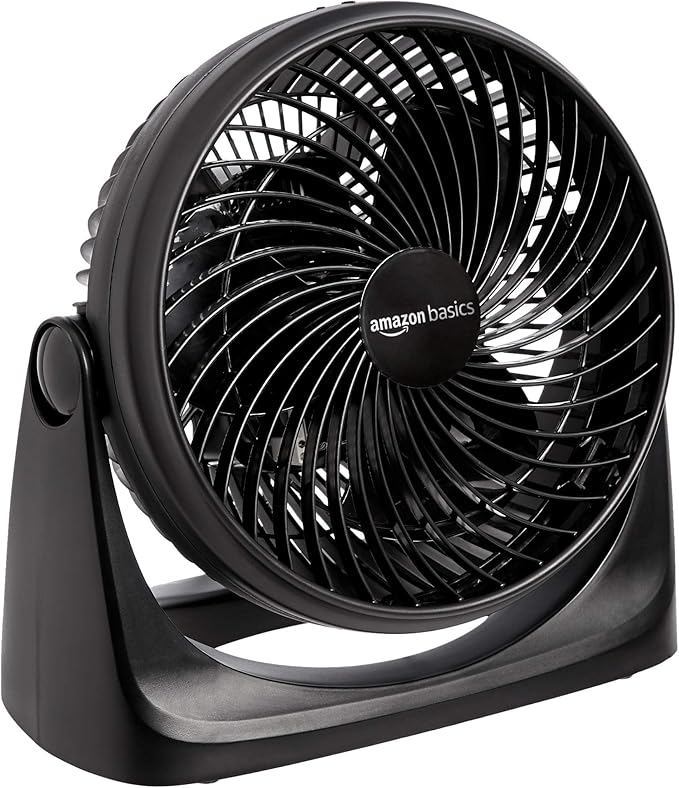
The quickest way to reduce night sweats is to cool the space around you. Experts recommend keeping your bedroom between 60–67°F (15–19°C). If that feels too cold, aim for the higher end and let your body adjust over a week. Use a fan for air circulation—moving air helps evaporate sweat faster.
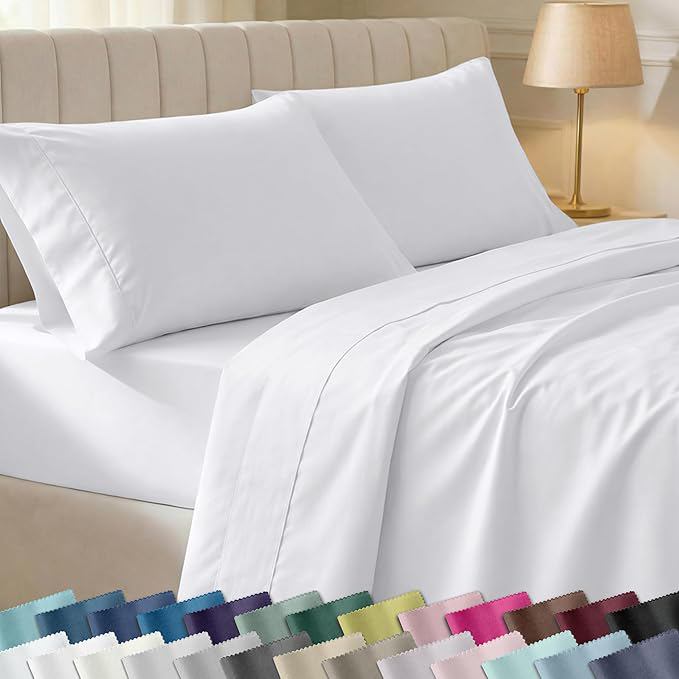
Your bedding matters more than you think. Swap heavy comforters for layered, breathable materials like cotton, bamboo, or linen. Avoid synthetic sheets that trap heat. Some people find cooling mattress toppers or pads helpful, especially those made with phase-change materials that absorb body heat.
Keep a small towel and a spare change of pajamas on your nightstand. If you wake up soaked, you can quickly dry off and change without turning on lights or walking across the house.
Build a calming pre-bed cooling routine
What you do in the hour before bed can directly affect how many times you wake up sweating. Aim to lower your core body temperature gradually.
- Take a warm (not hot) shower or bath. A warm bath causes blood vessels near your skin to dilate, which helps release heat from your core. Finish with a cool rinse for a few seconds if you can tolerate it.
- Keep the lights dim. Bright light tricks your brain into staying alert, which can raise body temperature slightly. Use low-wattage lamps or candles (safely) for the last 30 minutes.
- Sip something cool. A glass of cold water or herbal tea (like peppermint or chamomile) can help you feel cooler. Avoid alcohol, caffeine, and spicy foods in the evening—they are known triggers for hot flashes and night sweats.
What to wear (and not wear) to bed
Loose, lightweight pajamas made from natural fibers allow air to circulate. Cotton, bamboo, or modal are good choices. Avoid tight elastic around your waist or chest, which can trap heat. If you tend to feel chilly after a sweat, keep a thin robe or cardigan nearby—layering is smarter than cranking up the heat.
Consider moisture-wicking sleepwear
Some companies make pajamas specifically designed for night sweats. These are usually polyester or nylon blends with special finishes that pull sweat away from your skin. While they are not breathable like cotton, they can be effective for severe sweats. Try both types and see what feels better for you.
Mind-body techniques that help
Stress and anxiety can worsen night sweats because they activate the same brain pathways that control body temperature. A few minutes of deliberate relaxation before bed can make a difference.
- Deep breathing: Box breathing (inhale 4 seconds, hold 4, exhale 4, hold 4) for five minutes can calm the nervous system and help regulate temperature.
- Progressive muscle relaxation: Starting at your toes, tense each muscle group for 5 seconds, then release. This lowers overall arousal and can reduce the frequency of sweats.
- Cooling yoga poses: Legs-up-the-wall pose or child's pose for 3–5 minutes can gently lower your core temperature.
Timing your last meal and drinks
Eating a large or spicy meal within two hours of bedtime increases metabolic heat production. Stick to a light dinner—think vegetables with lean protein or a small bowl of soup. Avoid sugar-heavy desserts and alcohol, both of which can trigger blood sugar swings and hot flashes.
Stay hydrated during the day, but reduce fluid intake in the hour before bed to minimize bathroom trips that interrupt sleep.
When to talk to a healthcare provider
If night sweats are severe enough that you cannot sleep, or if they persist for months despite trying cooling routines, it is worth discussing with your doctor. Hormone therapy, certain antidepressants, and other prescription options can help. Keep a brief log of your sleep patterns and food/beverage intake for two weeks—this can help your provider identify specific triggers.
In the meantime, these cooling strategies are safe to try on your own and can significantly improve sleep quality. The goal is not to eliminate every sweat but to make them less disruptive so you can rest and recover.