Protecting your bones as you age isn't just about taking a supplement or going for a walk; it is about a consistent, two-pronged strategy. The best science we have right now points to a clear synergy: you need the right nutritional building blocks to support your skeleton, and you need targeted physical stress to tell your body to keep those bones dense and strong. As a health editor who has sifted through countless studies and spoken with numerous clinicians, I can tell you that the most effective plans weave these two elements together seamlessly.
This is especially relevant during menopause, when the drop in estrogen accelerates bone loss. However, the principles here are solid for anyone looking to maintain skeletal strength and reduce the risk of fractures later in life. Let's cut through the noise and look at what specifically works when you put exercise and diet in the same ring.
Why Your Bones Need Both Mechanical Load and Fuel
Think of your bone tissue as a remodeling site. Osteoclasts break down old bone, and osteoblasts build new bone. Estrogen helps keep this process balanced. When estrogen declines, the breakdown can outpace the build. The good news is that weight-bearing exercise and resistance training send a powerful signal to your osteoblasts: "We need a stronger structure here." But your body can't build bone without the raw materials (calcium, protein, vitamin D, vitamin K, magnesium) and the hormonal signals that these nutrients provide.
A common mistake is doing only one half of the equation. You can lift heavy weights three times a week, but if your diet is low in calcium and vitamin D, those signals for bone formation will fall flat because the building materials aren't available. Conversely, you can drink a gallon of milk daily, but without mechanical stress on your skeleton, those extra nutrients will be excreted or stored elsewhere, not woven into your bone matrix.
The Exercise Piece: Build Load, Impact, and Strength
When an expert says "exercise for bone health," they aren't talking about endless cardio on a bike (which is non-weight-bearing). You need exercises that apply force to your spine, hips, and wrists—the most common fracture sites.
Prioritize Resistance Training
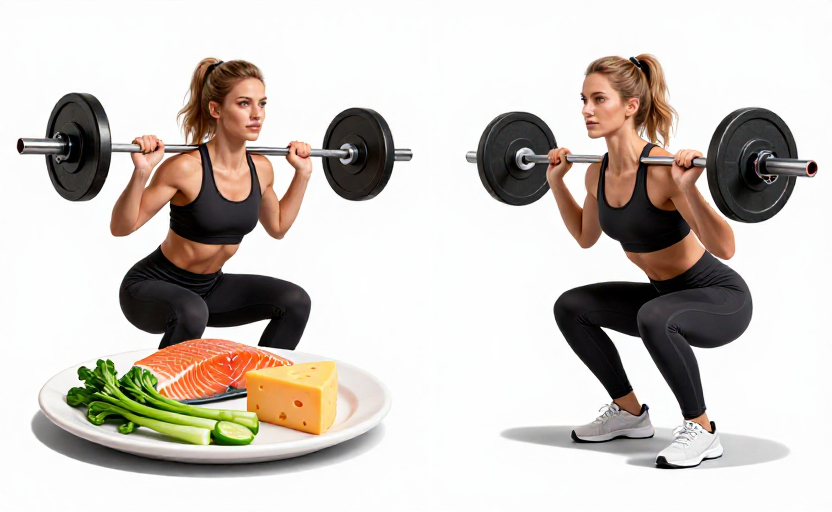
This is your non-negotiable. Focus on compound, multi-joint movements. Squats, deadlifts, lunges, overhead presses, and rows are fantastic. The goal is progressive overload: lifting a weight that is challenging for 8-12 repetitions. You don't need to be a powerlifter, but you do need to be using a weight that makes the last few reps difficult to complete with good form. This type of loading is a potent stimulus for bone density in the lumbar spine and hips.
Don't Forget Impact and Plyometrics
Gentle walking is good for your heart and mood, but it is not a strong enough stimulus to build bone in most adults. You need impact. This means the force of your body hitting the ground. Think jumping jacks, skipping rope, box jumps, or even dancing. If high-impact is too much for your joints, start with stair climbing or brisk, purposeful walking with a weighted vest. Even a few minutes of hopping on one foot (if safe for you) can stimulate the hip bone.
Short tip: Aim for at least two days of resistance training and two to three days of higher-impact or weight-bearing cardio per week. Consistency over years is what builds a strong skeleton.
The Diet Piece: The Co-Factors You Actually Need
Calcium gets all the glory, but it is a team player. Here is how to eat to support your bone-building efforts in the gym.
Calcium: Source Matters
Dairy is a potent source, but it is not the only one. If you tolerate it, choose full-fat or low-fat yogurt, hard cheeses, and milk. For non-dairy options, look to canned sardines or salmon with the bones, fortified plant milks (shake the carton as calcium settles), and leafy greens like collard greens and kale. The key is distribution: your body absorbs calcium better in 500 mg increments. Spreading intake across meals (rather than one giant dose) is more effective.
Protein: The Overlooked Scaffold
Your bones are roughly 50% protein by volume. A diet too low in protein can impair calcium absorption and bone formation. Aim for a good source of protein (about 20-30 grams) at each meal. Eggs, chicken, fish, legumes, tofu, and lean meats all count. Resistance training actually increases your body's demand for protein, so if you are lifting, you need to be eating enough.
Vitamin D and Vitamin K
Vitamin D is the gatekeeper—it tells your gut to absorb calcium from food. Without adequate vitamin D (usually from sun exposure or a supplement, as food sources are limited), your body can't use the calcium you eat. Vitamin K2 activates the proteins that bind calcium to the bone matrix, keeping it out of your arteries. Good sources of vitamin K2 include natto (fermented soybeans), hard cheeses, and egg yolks from pasture-raised chickens.
How to Combine Them in a Single Day
Let's make this practical. Here is a sample day that brings the principles together.
- Morning workout (45 minutes): Lower-body resistance session. Squats, hip thrusts, and a few sets of jumping jacks to finish. Immediately post-workout, have a protein-rich snack (a hard-boiled egg and a glass of milk or fortified soy milk).
- Lunch: A large salad with arugula and kale, topped with sardines (bones included), a tablespoon of sunflower seeds, and a slice of aged cheddar cheese. This gives you calcium, vitamin D (from the sardines), vitamin K, and protein.
- Dinner: Grilled chicken with roasted broccoli and a side of quinoa. Add a dash of nutritional yeast (often fortified with vitamin D) for an extra boost.
- Evening snack: Small bowl of Greek yogurt with a few chopped almonds and a sprinkle of chia seeds.
This day covers your bases: you loaded the skeleton mechanically, and then you provided the calcium, protein, and fat-soluble vitamins needed to do the repair work.
What to Avoid or Moderate
Excessive alcohol and tobacco have direct detrimental effects on bone cells. High salt intake can increase calcium excretion through urine. And while soda has been linked to lower bone density, it may be more about displacement (drinking soda instead of milk or water) than the phosphoric acid itself. Watch your total intake, but don't fear a can of soda occasionally if your overall diet is solid.
Building and maintaining strong bones is not a quick fix. It is a simple, consistent practice: challenge your body structurally and feed it the tools to adapt. Start where you are, add a couple of these strategies, and they will layer into a lifelong habit that protects your future mobility and independence.