
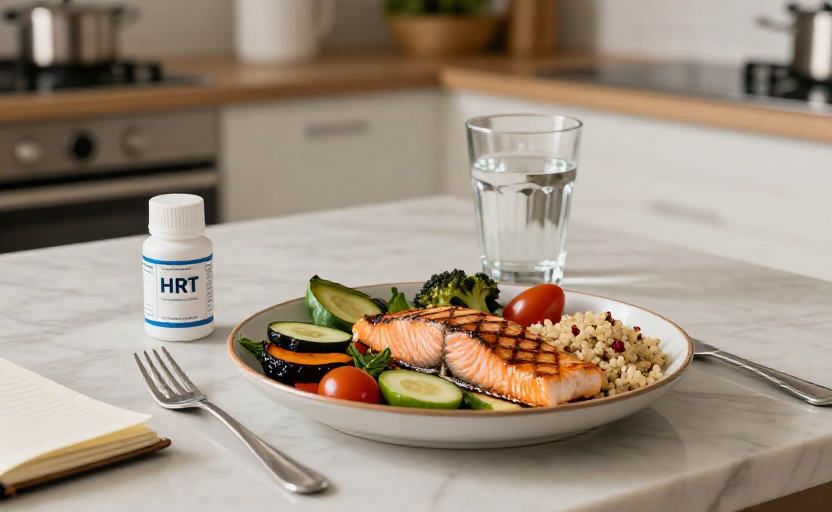
Navigating menopause often involves weighing options for symptom relief, and for many, hormone replacement therapy (HRT) becomes a central part of the conversation. Yet, the most effective plans rarely rely on medication alone. What you put on your plate plays a powerful supporting role, influencing everything from how well your body responds to therapy to how you feel day-to-day. This isn't about replacing medical treatment with food; it's about creating a smart partnership between your diet and your HRT regimen for smoother, more sustainable symptom management.
The goal is to reduce the burden of common complaints—hot flashes, night sweats, mood swings, and brain fog—by addressing the underlying metabolic and inflammatory factors that medication alone might not fully resolve. When approached strategically, nutrition acts as a stabilizer, helping your body adapt to hormonal shifts with greater ease.
Why Your Diet Matters Alongside HRT
HRT works by replenishing declining estrogen and progesterone levels, directly tackling the root cause of many vasomotor symptoms. But your daily food choices influence hormone metabolism, blood sugar regulation, and inflammation—all of which can amplify or diminish how effective your therapy feels. For example, a diet high in refined sugar and processed foods can spike insulin, which in turn may worsen hot flashes and disrupt sleep, even for someone on a carefully calibrated dose of HRT.
Think of it this way: HRT raises the floor of your hormonal stability. A supportive diet builds a stronger house on that foundation. Without it, you may still experience breakthrough symptoms or struggle with fatigue and weight changes that hormone therapy alone doesn't address.
The Core Dietary Principles for Hormonal Harmony
There is no single “menopause diet,” but certain patterns consistently appear in research for better symptom control. Aim for a Mediterranean-style approach—it’s flexible, nutrient-dense, and rich in compounds that support both liver detoxification pathways and healthy estrogen metabolism.
1. Prioritize Protein and Fiber at Every Meal
Estrogen decline is linked to muscle loss and a slower metabolism. Pairing HRT with adequate protein (about 25–30 grams per meal) helps preserve lean mass and stabilize blood sugar. Fiber, particularly from vegetables, legumes, and whole grains, feeds beneficial gut bacteria that help recycle and excrete used hormones—a process that can influence how efficiently your body uses HRT.
A simple plate guideline: Fill half your plate with non-starchy vegetables and fruits, a quarter with lean protein (fish, poultry, tofu, eggs), and a quarter with high-fiber carbs like quinoa or lentils. Add a sprinkle of healthy fat—olive oil, avocado, or nuts—to round it out.
2. Manage Blood Sugar to Dampen Hot Flashes
Blood sugar swings are a proven trigger for vasomotor symptoms. When glucose spikes and crashes, your body releases stress hormones like cortisol and adrenaline, which can directly stimulate the thermoregulatory center in the brain and kick off a hot flash. This happens regardless of HRT dose. By keeping meals balanced and avoiding long gaps without eating, you reduce these triggers. Small, frequent meals or snacks with protein and fat can help maintain steady glucose levels throughout the day.
3. Cool Inflammation with Omega-3s and Phytoestrogens
Chronic low-grade inflammation worsens joint pain and brain fog during menopause. Omega-3 fatty acids (from fatty fish like salmon, sardines, walnuts, and flaxseeds) have anti-inflammatory properties that complement HRT’s benefits for mood and cognition. Phytoestrogens—plant compounds that mimic weak estrogen—are found in soy, flaxseeds, and legumes. While they are not a substitute for HRT, moderate intake can provide gentle, additional support for hot flash frequency. A daily serving of edamame, tofu, or ground flaxseed is a sensible, research-backed addition.
A quick tip: Swap your 3 PM sugary treat for a handful of almonds and an apple. That simple switch can prevent an afternoon energy crash and a potential hot flash cascade.
What to Limit—or Cut Entirely
Certain items work directly against your progress. Caffeine and alcohol are notorious for triggering hot flashes in many women, even those on HRT. Spicy foods can also provoke a sudden red-face flush. Beyond these common triggers, pay attention to hidden sources of sugar, especially in condiments, flavored yogurts, and granola bars. High sodium intake can contribute to bloating and blood pressure fluctuations that complicate the picture further.
You don't need to eliminate these completely, but consider a two-week experiment. Remove them, note your symptom diary, then reintroduce one at a time. The cause-and-effect relationship often becomes very clear.
Supplements: Tread Carefully with Professional Guidance
Supplements can be useful, but they are not regulated like medications, and some can interfere with HRT or other prescriptions. For example, high-dose soy isoflavone extracts may not be appropriate for everyone, while vitamin D and calcium support bone health that HRT helps protect. Magnesium glycinate can aid sleep and muscle relaxation. A good rule is to get nutrients from food first and to discuss any supplement plan with your healthcare provider to avoid contraindications.
Practical Steps to Get Started
Instead of overhauling your diet overnight, focus on one or two high-impact changes. Start by adding protein to breakfast—many menopausal women start the day with carbs alone, setting off a blood sugar rollercoaster before lunch. Next, commit to one extra serving of non-starchy vegetables at lunch and dinner. Finally, experiment with swapping one coffee or alcoholic drink per day for a non-caffeinated herbal tea, like chamomile or peppermint, and observe how your body responds over a week.
The synergy between nutrition and HRT is not about perfection. It’s about synergy—supporting your body’s systems so that the hormone therapy you’re already using can work more efficiently. Small, consistent dietary choices build resilience against the most disruptive menopause symptoms, helping you reclaim a sense of control during a phase of life defined by transition.