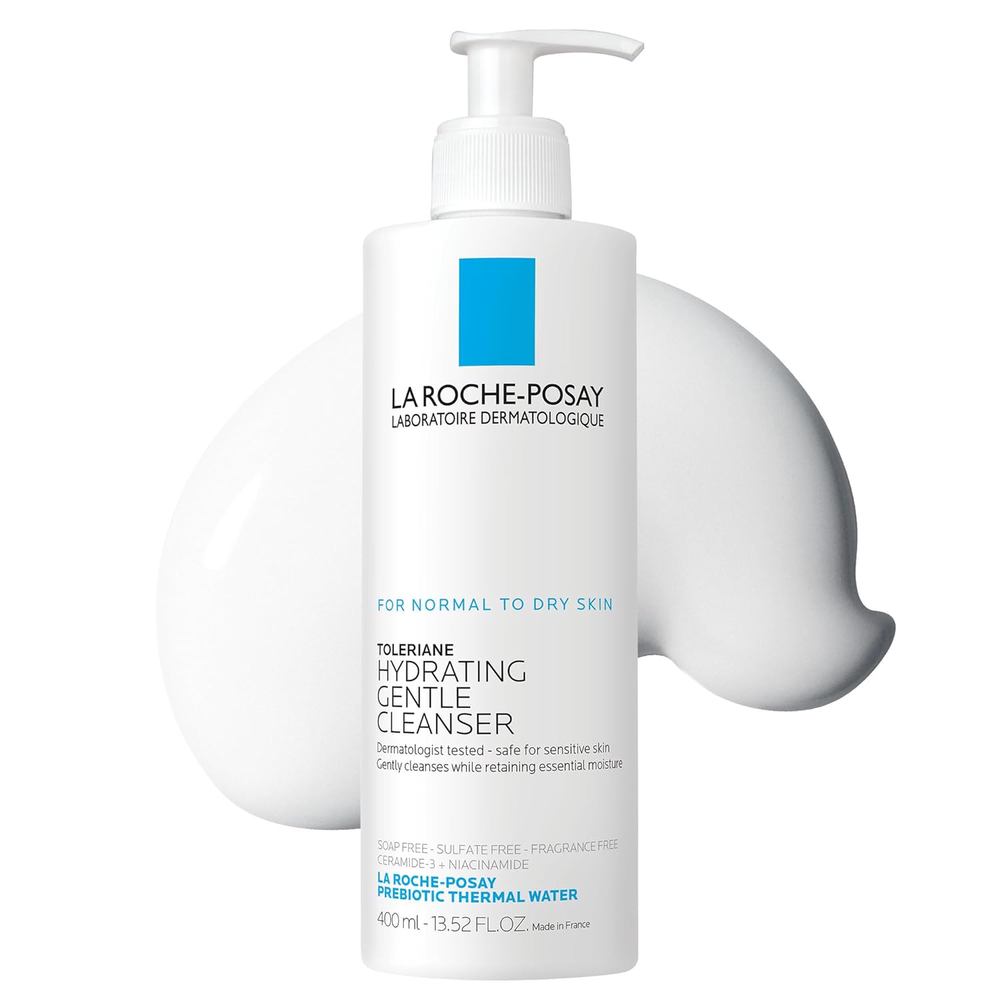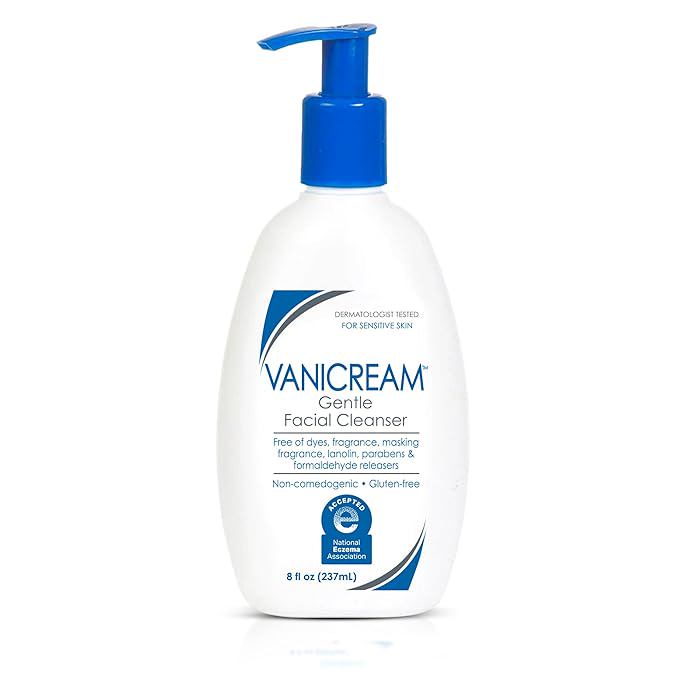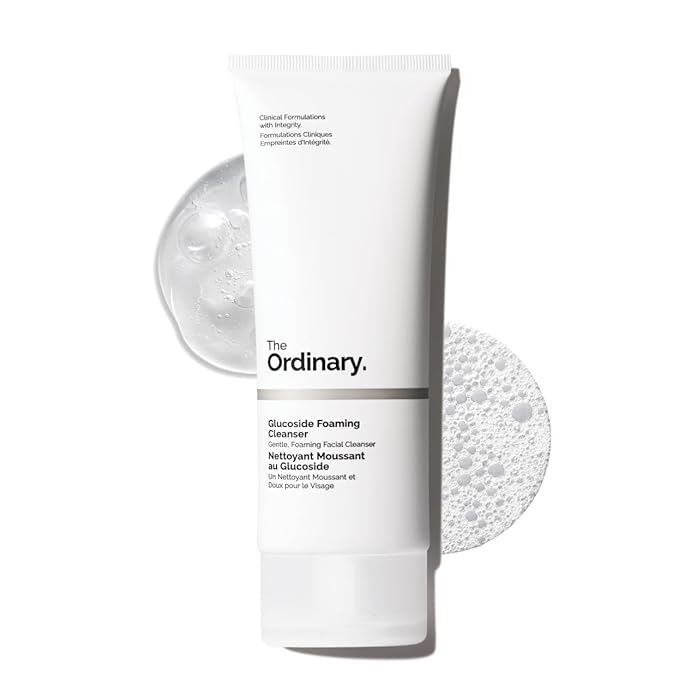

Finding a cleanser that washes away the day without stripping your skin is a particular challenge when you have a dry complexion. The wrong formula can leave your face feeling tight, flaky, and irritated within minutes of washing. The right one, however, can set the stage for the rest of your routine to absorb and work properly.
Whether your dryness is a year-round condition or worsens with seasonal changes, choosing a hydrating cleanser requires a closer look at ingredients, texture, and what your skin actually needs. Below is expert-backed guidance to help you make a confident choice.
Look for the right consistency
For dry skin, the texture of your cleanser matters almost as much as what is inside it. If you instinctively reach for a foaming gel or a soap-based bar, it is worth pausing. These formats often rely on surfactants that can strip natural oils from the skin barrier.
Instead, seek out cream, milk, or lotion-based cleansers. These have a richer, more emollient feel and are formulated to remove makeup and impurities without leaving that tight, post-wash sensation. An oil-based or balm cleanser can also work well, especially as a first step in a double-cleansing routine, but a creamy formula is often the most straightforward choice for everyday use.
Scan the ingredients list for humectants and emollients
A truly hydrating cleanser does more than just avoid drying ingredients; it actively contributes to moisture balance. Look for humectants such as glycerin, hyaluronic acid, and aloe vera. These draw water into the outer layer of the skin.
Emollients like squalane, ceramides, and shea butter help soften and smooth the skin while you cleanse. Even ingredients such as niacinamide (vitamin B3) can support the skin barrier and reduce the look of dryness over time.
Avoid sulfates (sodium lauryl sulfate, sodium laureth sulfate) and high amounts of denatured alcohol. These are common strip-agents that can worsen flakiness and irritation.
Check the pH balance
Your skin’s natural pH sits around 4.5 to 5.5. When you use a cleanser that is too alkaline, it can disrupt the acid mantle — the skin’s protective film — leaving it vulnerable to moisture loss. Most hydrating cleansers are formulated to be pH-balanced, but checking the label for wording such as “pH-balanced” is a quick way to narrow your options. Some brands also list an actual pH range on their website or packaging.
Consider your current skin sensitivity
Dry skin is often sensitive skin. If you experience redness, stinging, or tightness after using many products, a hydrating cleanser with a minimal ingredient list can be more forgiving. Look for fragrance-free options that skip essential oils and botanical extracts, which can be common irritants. A formula built around a few core hydrating ingredients — say, glycerin, ceramides, and water — is often safer than one loaded with botanical extracts and perfume.
Match the cleanser to your full routine
A hydrating cleanser does not work in isolation. If you apply a heavy moisturizer or a targeted barrier repair cream at night, you may prefer a slightly stronger (but still gentle) morning rinse. Conversely, if you use retinoids, acids, or other exfoliating actives at night, your morning cleanse should be as gentle as possible — possibly just lukewarm water or a micellar water on a soft cloth.
The seasonal factor is also real. In dry winter months, your cleanser might need to be richer. In more humid summer weather, a lighter cream cleanser may suffice.
Know when a splash of water is enough
Not everyone needs a full cleanse twice a day. For many people with dry skin, using water alone in the morning is sufficient — or a very light cleanse with a micellar formula. Reserve your hydrating cream cleanser for the evening, when you need to remove sunscreen, makeup, and environmental grime. This simple adjustment can reduce unnecessary moisture loss.
Final perspective
Choosing a hydrating cleanser is less about chasing the newest trendy formula and more about understanding your skin’s baseline needs. A gentle, pH-balanced cream or milk cleanser with humectants and emollients — and without harsh sulfates or fragrance — is a solid standard. When you find one that leaves your skin feeling clean, soft, and calm rather than tight or irritated, you have found your match.