You might think sun damage is obvious—red burns, peeling shoulders, a tan line that lasts for weeks. But most UV harm is invisible to the naked eye, building up in deeper layers of skin long before any spot, freckle, or wrinkle appears. By the time you see a line on your forehead or a brown patch on your cheek, the damage has been accumulating for years. The good news is that you can learn how to check your skin for hidden sun damage, and the sooner you start, the better your options become.
This expert-backed guide walks you through simple at-home inspection methods, what to look for in different light conditions, and when to take your concerns to a dermatologist. No need for special tools—just your eyes, a mirror, and a few minutes of dedicated attention.
Why sun damage often stays hidden
Ultraviolet radiation penetrates the skin and triggers changes at the cellular level. Collagen fibers break down slowly; melanocytes (the pigment-producing cells) can cluster unevenly years after a single bad sunburn. That means the visible signs—like fine lines, rough texture, or uneven tone—tend to surface gradually, often on the neck and forehead where people forget to apply sunscreen.
Your forehead and neck are especially vulnerable because they're constantly exposed, yet many of us focus protection on the cheeks and nose. The result is a type of hidden damage that doesn't announce itself until the skin has thinned, lost elasticity, or developed what dermatologists call actinic changes.
The at-home skin check: what to look for
Set up in a room with bright, even lighting—ideally natural daylight near a window. Use a handheld mirror and a full-length mirror so you can see the back of your neck and sides of your face. As you scan each area, keep these specific signs in mind:
- Uneven pigment or blotchiness — Small dark patches, often called age spots or liver spots, are a classic indicator of accumulated sun exposure. They can appear anywhere you've gotten sun, including the chest and shoulders.
- Fine horizontal lines on the forehead — While expression lines are normal, deep or numerous creases that don't fade when your face is relaxed may signal UV-related collagen loss.
- Rough, sandpaper-like texture — Actinic keratoses are pre-cancerous spots that feel dry and scaly. They can be pink, red, or the same color as your skin and are easy to miss if you're not touching the area.
- Loss of skin firmness on the neck — If the skin under your chin or on the sides of your neck appears thinner or sags more than a few years ago, sun damage is a likely contributor.
Using the 'line and light' method
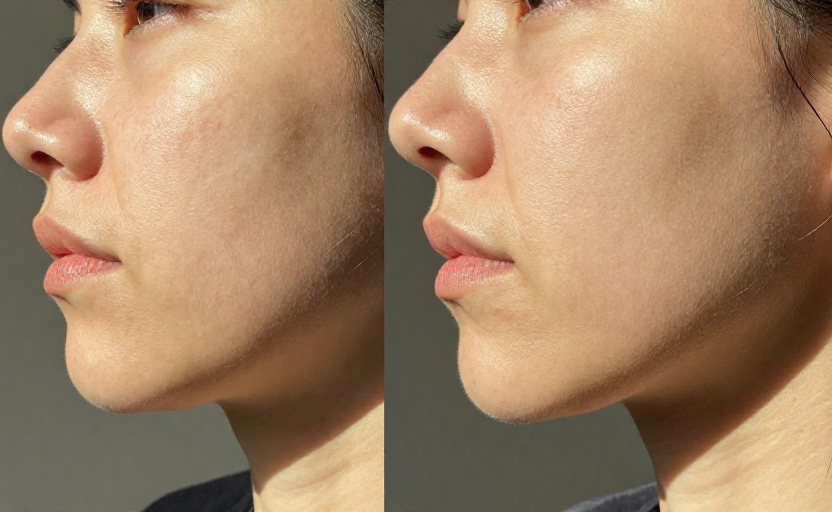
A dermatologist-approved technique for spotting hidden damage involves two simple steps: looking at skin lines and using side light to reveal texture. First, gently stretch the skin on your forehead and neck to see if fine lines disappear or remain prominent—the latter suggests deeper structural damage. Then, shine a desk lamp or flashlight at a 45-degree angle across your face and neck. The shadow cast by uneven skin will exaggerate rough patches, raised spots, and tiny wrinkles that you might miss under direct overhead light. This approach is especially helpful for detecting early actinic keratoses, which often feel flat in normal light but create a subtle shadow when illuminated from the side.
What to do if you find something concerning
Finding a suspicious spot doesn't automatically mean you need medical treatment, but it does mean you should monitor it. Dermatologists recommend the ABCDE rule for moles and pigmented areas: Asymmetry, irregular Border, uneven Color, Diameter larger than a pencil eraser, and Evolution (change over time). For rough or scaly spots that persist beyond a few weeks, schedule a professional skin exam. A dermatologist may use a dermoscope—a special magnifying lens with light—to see under the skin's surface. In many cases, hidden sun damage can be managed with prescription creams, chemical peels, lasers, or other non-invasive treatments, but early detection is key.
If a scaly spot bleeds, itches, or grows quickly, do not wait for your next annual checkup—make an appointment as soon as possible.
Prevention and daily habits that protect your skin
Knowing how to check your skin for hidden sun damage is only half the equation. The other half is reducing future harm with consistent habits that work for your lifestyle. A few evidence-based practices include:
- Apply a broad-spectrum sunscreen with SPF 30 and PA+++ rating every morning, including the neck and forehead—areas that are frequently missed.
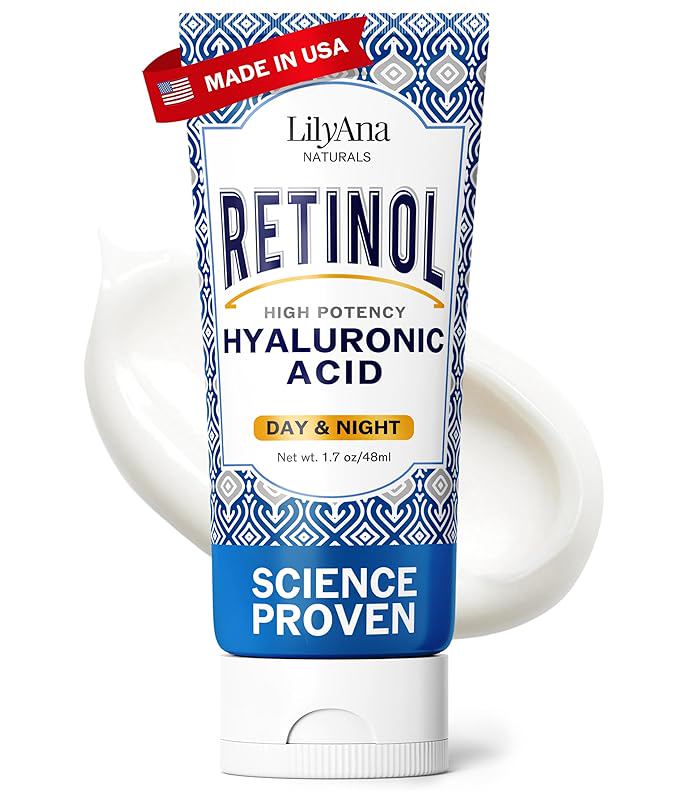
- Look for skincare products containing retinol, peptides, and hyaluronic acid, which support collagen production and skin hydration without requiring a prescription.
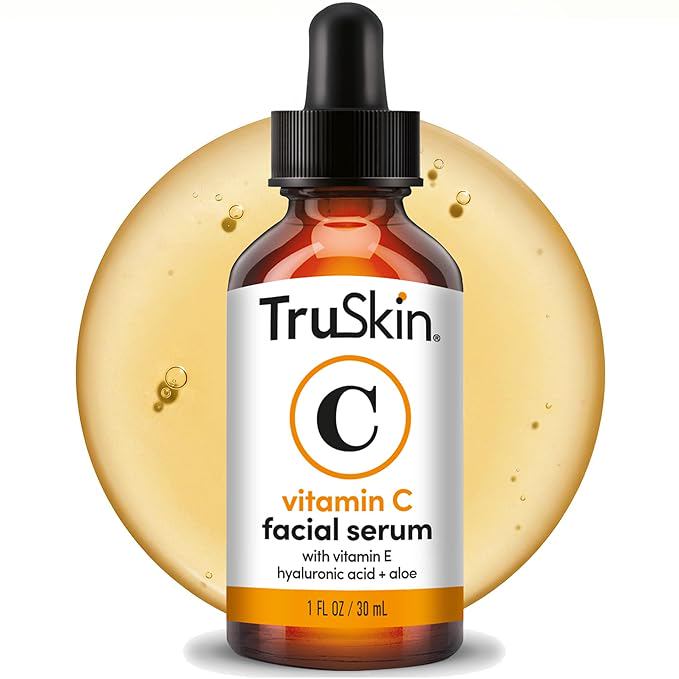
- Use a vitamin C serum in the morning. Its antioxidant properties can neutralize free radicals generated by UV rays and environmental pollution, limiting further oxidative damage.
- Moisturize your neck and chest as routinely as you moisturize your face. Hydrated skin retains elasticity longer, which can delay the appearance of fine lines.
- Drink enough water throughout the day—aim for about eight glasses—since chronic dehydration can make skin appear thinner and more prone to creasing.
- Avoid smoking and limit stress. Smoking strips collagen and constricts blood vessels, reducing oxygen delivery to the skin. High stress levels can also accelerate aging through inflammatory pathways.
When to consider professional evaluation
Even if you don't see anything alarming, a yearly full-body skin exam with a board-certified dermatologist is a smart baseline, especially if you have a history of sunburns, fair skin, or a family history of skin cancer. Many hidden damage patterns—like diffuse dermal elastosis (solar elastosis)—are invisible to the untrained eye. A professional can spot early changes and recommend preventive treatments such as topical retinoids, laser resurfacing, or photodynamic therapy before visible aging becomes advanced. These are all non-surgical, non-invasive options that a dermatologist can tailor to your specific skin type and concern.
Checking your skin regularly doesn't need to be obsessive. It just needs to be intentional. With a mirror, good light, and a clear idea of what hidden signs look like, you empower yourself to act early—and that makes all the difference.