Scalp sensitivity—whether it shows up as persistent itching, redness, tightness, or even a burning sensation—can make daily life uncomfortable. While environmental factors, hair products, and stress can all play a role, what you eat has a significant impact on how your scalp feels and behaves.
Instead of reaching for another specialized shampoo, consider looking at your plate first. Dietary adjustments can address underlying inflammation and nutrient deficiencies that contribute to a reactive scalp. Here is an expert-informed guide to eating for a calmer, healthier scalp.
Why Diet Matters for Scalp Sensitivity
The skin on your scalp is an extension of the rest of your skin. When your body experiences systemic inflammation—often driven by diet—it can manifest as irritation on the scalp. Certain foods can trigger histamine responses or disrupt the balance of oils and nerves in the skin. Conversely, eating for a scalp-friendly diet means focusing on foods that reduce inflammation, support skin barrier function, and provide the building blocks for healthy hair follicles.
Foods to Add for a Calmer Scalp
Healthy Fats for Skin Barrier Support
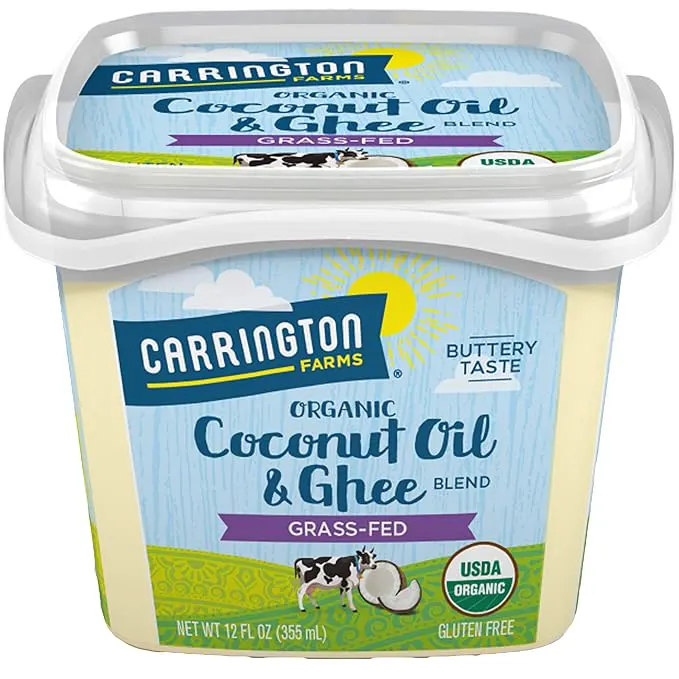
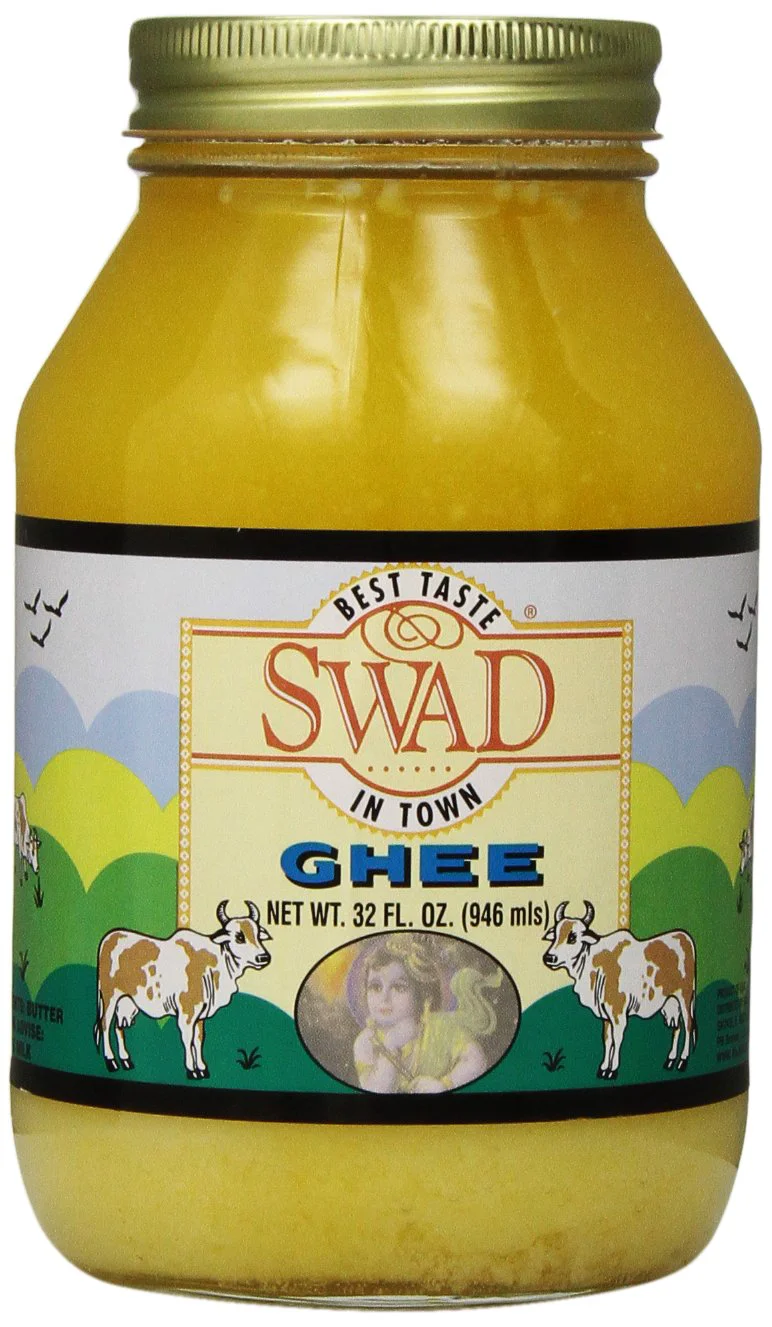
Healthy fats are essential for maintaining the skin's lipid barrier, which helps lock in moisture and keep irritants out. Ghee and grass-fed butter are excellent sources of fat-soluble vitamins A and D, both critical for skin cell turnover and repair. Vitamin A helps regulate skin cell production, while vitamin D plays a role in immune regulation, which can help reduce inflammatory responses on the scalp. Fatty fish like salmon and mackerel provide omega-3 fatty acids, which are well-documented for their anti-inflammatory properties.
Mineral-Rich Seeds and Legumes
Nutrient-dense seeds like aliv (garden cress seeds) are packed with iron, calcium, and vitamin E—a key antioxidant that combats oxidative stress in skin cells. Iron is particularly important because low levels can lead to poor blood circulation in the scalp, contributing to sensitivity and hair thinning. Incorporating aliv ladoos or simply sprinkling these seeds into meals offers a concentrated source of these minerals.
Similarly, legumes like lentils (dal) and paneer (Indian cottage cheese) provide high-quality protein and calcium. Protein is the structural foundation for hair and skin, while calcium supports nerve function and muscle relaxation around the scalp—potentially easing tension-related sensitivity.
Carbohydrates for Balance
Whole grains and rice often get a bad reputation, but they provide essential B vitamins and minerals that support nerve health and scalp circulation. Complex carbohydrates help stabilize blood sugar, reducing the insulin spikes that can trigger inflammation. Including moderate portions of properly prepared grains in your dinner can foster a balanced internal environment that keeps your scalp follicles healthy.
Simple addition: A warm bowl of dal rice with a teaspoon of ghee for dinner combines protein, complex carbs, and healthy fats in one soothing meal.
Dietary Habits to Avoid for Scalp Health
Don't Skip Breakfast
Starting your day without a nutritious meal sets off a cascade of stress responses in the body. Skipping breakfast can lead to fluctuations in cortisol (the stress hormone), which is directly linked to increased inflammation and heightened nerve sensitivity. A breakfast rich in protein and healthy fats—such as eggs cooked in butter or a seed-based porridge—provides steady energy and supports your body's natural anti-inflammatory pathways.
Don't Demonize Rice
There is a common misconception that removing all carbohydrates, particularly rice, is beneficial for hair and skin health. In reality, rice contains vitamins and minerals that foster a balanced environment for scalp health. Eliminating it can deprive your body of a gentle, easily digestible energy source that supports proper circulation. The key is portion control and pairing it with fat and protein to moderate its glycemic impact.
Don't Neglect Sleep in Favor of Evening Eating
Late-night eating often pushes sleep later, and sleep deprivation is a major contributor to scalp sensitivity. During deep sleep, the body produces melatonin—not just a sleep hormone but also a powerful antioxidant that has been linked to hair growth and reduced inflammation. When you eat late, you may disrupt your natural sleep-wake cycle, lowering melatonin production and increasing cortisol. This hormonal imbalance can directly worsen scalp irritation and sensitivity.
Building an Anti-Inflammatory Scalp Diet
Think of this as a long-term framework rather than a quick fix. Focus on consistently combining these elements:
- Healthy fat at every meal: A pat of butter on vegetables, ghee in your dal, or a drizzle of olive oil on a salad.
- Protein from plant-based or dairy sources: Lentils, paneer, eggs, or fatty fish support repair and reduce inflammatory cytokines.
- Mineral-rich seeds and greens: Aliv, flaxseeds, and leafy greens provide iron, calcium, and antioxidants.
- Moderate, whole-food carbohydrates: Rice, millets, or whole grains paired with protein and fat to maintain blood sugar stability.
This approach is not about strict elimination but about providing your body with what it needs to regulate inflammation and support healing from the inside out. It may take two to four weeks of consistent dietary changes before you notice a measurable difference in scalp comfort.
Remember: Dietary changes are general health-supporting strategies and should not replace personalized medical care. If your scalp sensitivity is severe, persistent, or accompanied by hair loss, consult a dermatologist or registered dietitian for tailored advice.