Finding the right wash rhythm for curly hair can feel like a guessing game. Wash too often and you risk stripping essential moisture from your coils; wait too long and your scalp may become itchy, flaky, or congested. The truth is that there is no single “perfect” schedule that works for every curl pattern. Your ideal routine depends on your scalp’s oil production, your hair’s porosity, and the products you use. Here’s how to think like an expert and tailor your wash schedule to support both a happy scalp and bouncy curls.
The key shift is moving away from a rigid calendar-based schedule and toward a responsive, observation-based approach. Instead of asking “How many days should I wait?” start asking “What is my scalp telling me right now?” This small mindset change can make a big difference in long-term scalp health and curl definition.
Why scalp health matters for curly hair
Curly hair has a natural disadvantage when it comes to scalp care. The twists and turns of each strand make it harder for sebum—the scalp’s natural oil—to travel down the hair shaft. This means your scalp can become oily while your ends stay dry. If you stretch wash days too far, dead skin cells, product buildup, and excess oil can accumulate around the hair follicles, leading to clogged pores, inflammation, and even slow hair growth.
A clean, balanced scalp is the foundation for strong, resilient curls. When you wash at the right frequency, you remove impurities without disrupting the moisture barrier that keeps your strands supple.
Signs your wash schedule needs adjusting
Rather than following a generic rule like “wash once a week,” check for these real-world signals:
- Persistent itchiness or flaking: This often means your scalp needs more frequent cleansing or a gentler shampoo to remove buildup.
- Oily roots by day two or three: If your scalp feels greasy soon after washing, you may be over-moisturizing or using heavy products that are not rinsing out completely.
- Dry, brittle curls: If your hair feels straw-like or your scalp feels tight, you might be washing too frequently or with a shampoo that is too strong for your hair type.
- Visible product residue: A white or waxy film on the scalp or near the roots is a clear sign that your current wash frequency is not keeping up with product buildup.
How to find your sweet spot
Start by paying attention to how your scalp feels on the second and third days after washing. For many people with wavy to moderately curly hair, washing every two to three days works well. For tighter coils or very dry curls, stretching to four to seven days can be beneficial—provided you use a gentle, sulfate-free shampoo and focus on scalp cleansing rather than stripping the lengths.
If you are new to extending wash days, try gradually adding one extra day between washes and see how your scalp responds. Keep a simple journal or note on your phone: note the day you washed, the products you used, and how your scalp felt the next morning. Patterns will emerge within a few weeks.
A quick test: After gently scratching your scalp with a clean fingernail, look for any white buildup under the nail. If you see a noticeable amount, it is probably time to wash.
Techniques to keep your scalp healthy between washes
If you prefer longer intervals, you do not have to let your scalp go completely untreated. Try these supportive strategies:
- Dry scalp massage: Use your fingertips (not nails) in gentle circular motions for two to three minutes before a shower. This helps loosen dead skin and stimulates circulation.
- Targeted rinsing: On non-wash days, simply rinse your scalp with lukewarm water while gently scrubbing with your fingertips. This can remove loose flakes and refresh your scalp without a full wash.
- Lightweight leave-in products: Avoid applying heavy butters or oils directly to the scalp. Focus conditioners and creams on your mid-lengths and ends only.
- Clarifying when needed: Once every two to four weeks, use a gentle clarifying shampoo to reset your scalp and remove stubborn buildup from hard water or styling products.
The role of your shampoo choice
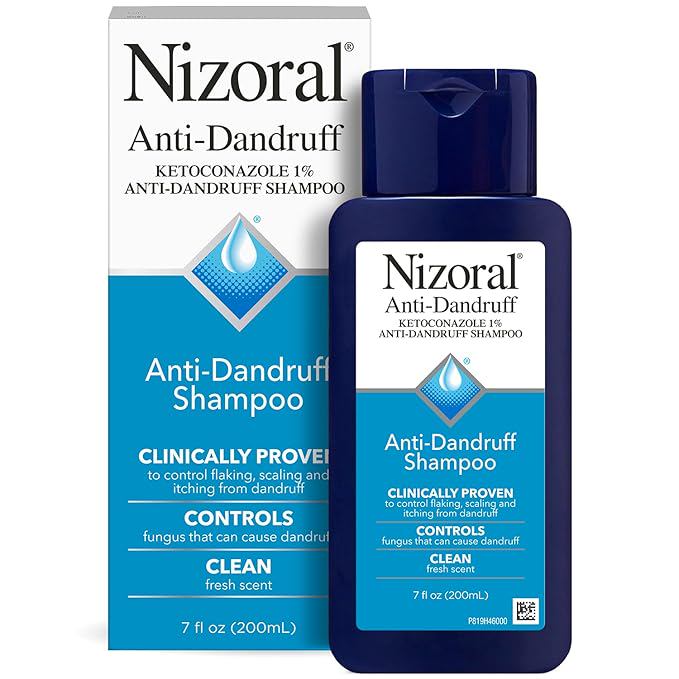
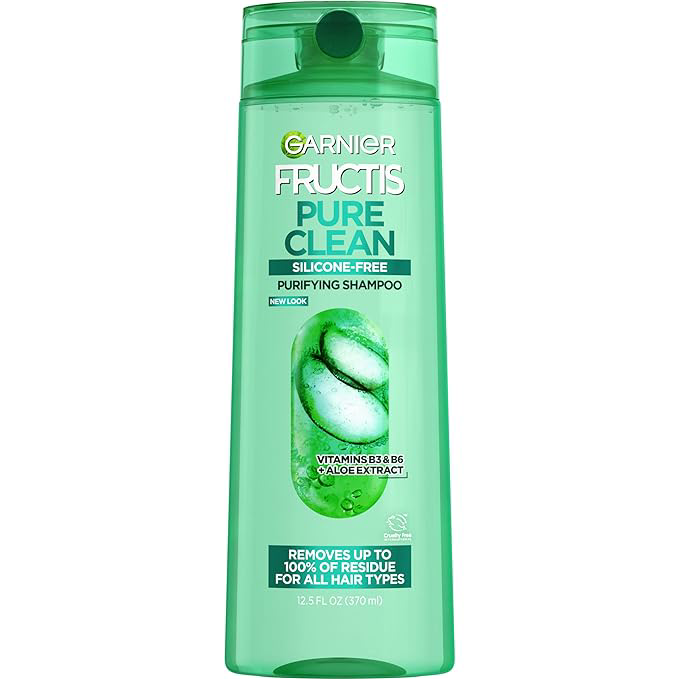
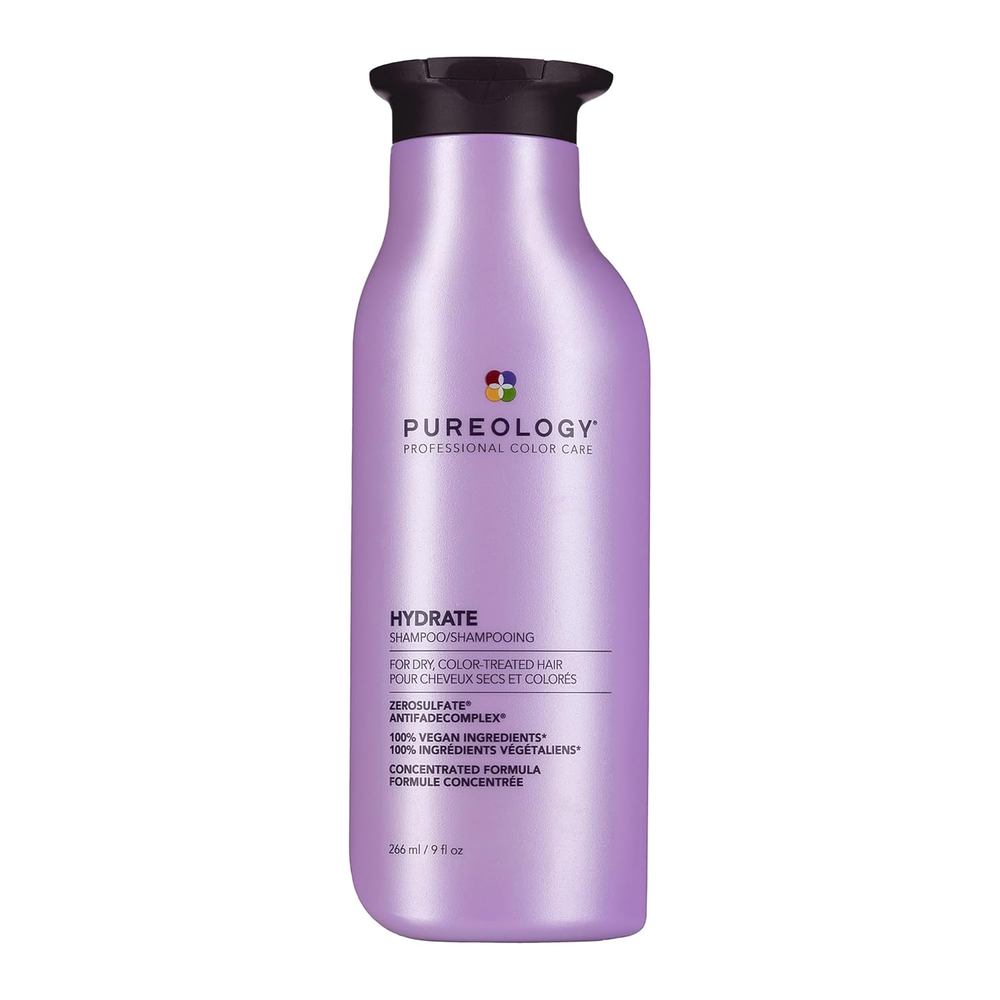
Not all shampoos are created equal for curly hair. Sulfate-free cleansers are generally gentler on the scalp’s moisture barrier and less likely to cause rebound oiliness. If your scalp is prone to sensitivity or flaking, look for shampoos with soothing ingredients like aloe vera, green tea, or oat milk. Avoid products with heavy silicones, which can coat the scalp and contribute to buildup.
For those who co-wash (cleansing with conditioner only), be aware that while this method can preserve moisture, it may not fully remove oil or product residue from the scalp. If you co-wash, consider alternating with a low-poo or gentle shampoo every other wash to keep your scalp clean.
Seasonal and lifestyle adjustments
Your wash schedule might need to shift as the weather changes. In humid summer months, your scalp may become oilier and require more frequent washing. In dry winter air, your scalp can become tight and flaky, so stretching wash days and using a humidifier at night may help. Similarly, if you start exercising more, you may need to increase wash frequency to clear sweat and salt buildup from the scalp.
Listen to your body and adjust without guilt. The goal is not to stick to a perfect schedule but to find a rhythm that leaves your scalp feeling comfortable and your curls looking their best.