Combination skin can feel like a balancing act. You might deal with an oily T-zone while your cheeks feel tight or flaky, and finding a skincare routine that treats both extremes without causing redness or breakouts takes some trial and error. Exfoliation is one of the trickiest steps to get right. Do it too often, and you risk stripping the drier areas; do it too rarely, and the oily zones may look dull or clogged.
The goal isn't to eliminate either oiliness or dryness, but to keep your skin barrier healthy so both zones can function optimally. Here’s how to find your sweet spot for exfoliating combination skin.
Why exfoliation is different for combination skin
Exfoliation removes dead skin cells from the surface. For someone with combination skin, the challenge is that the skin on your forehead, nose, and chin (the T-zone) tends to produce more sebum and may have thicker buildup, while the cheeks and jawline are often more sensitive and prone to irritation. A one-size-fits-all approach can backfire. Using a strong physical scrub daily might feel great on your nose but can create micro-tears and inflammation on your cheeks. Similarly, a potent chemical exfoliant used too frequently can compromise the moisture barrier on drier patches, leading to more flaking and redness.
General frequency guidelines from dermatologists
Most dermatologists recommend exfoliating combination skin one to three times per week, depending on the type of exfoliant you use and how your skin reacts. Here’s a more detailed breakdown:
- Chemical exfoliants (AHAs and BHAs): A gentle beta hydroxy acid (BHA like salicylic acid) is often ideal for the T-zone because it penetrates oil and unclogs pores. An alpha hydroxy acid (AHA like lactic or glycolic acid) works on the surface to smooth texture and brighten. For combination skin, using a BHA-based product two to three times a week on the entire face, or a low-concentration AHA once or twice a week on the cheeks only, can work well. Start with once a week and increase slowly.
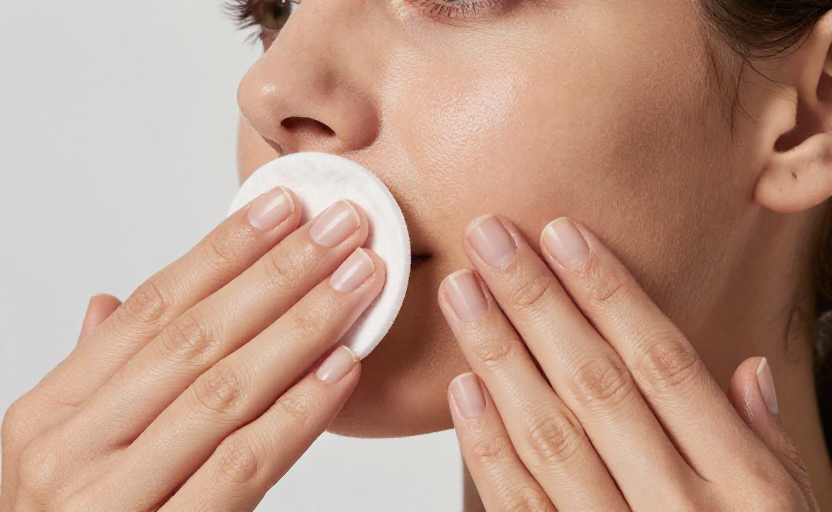
- Physical exfoliants (scrubs, brushes, cloths): Gentle physical exfoliation, such as using a soft cellulose sponge or a mild konjac sponge, can be used one to two times per week. Avoid rough ingredients like crushed walnut shells or harsh brushes that cause friction on sensitive areas.
- Enzyme exfoliants (papaya, pumpkin, pineapple): These are generally the most gentle option and can be used up to two to three times a week, especially if you have reactive skin. They digest dead skin cells without scrubbing and tend to be less irritating for dry patches.
How to customize a routine: the zone approach
One effective strategy for combination skin is to tailor your exfoliation to each zone. You don't have to treat your entire face the same way.
For the T-zone (oily areas)
Focus on BHAs a few times a week. Salicylic acid helps dissolve excess oil and prevent blackheads. You can also use a toner or serum with niacinamide afterward to help regulate oil production.
For the cheeks and jawline (dry or normal areas)
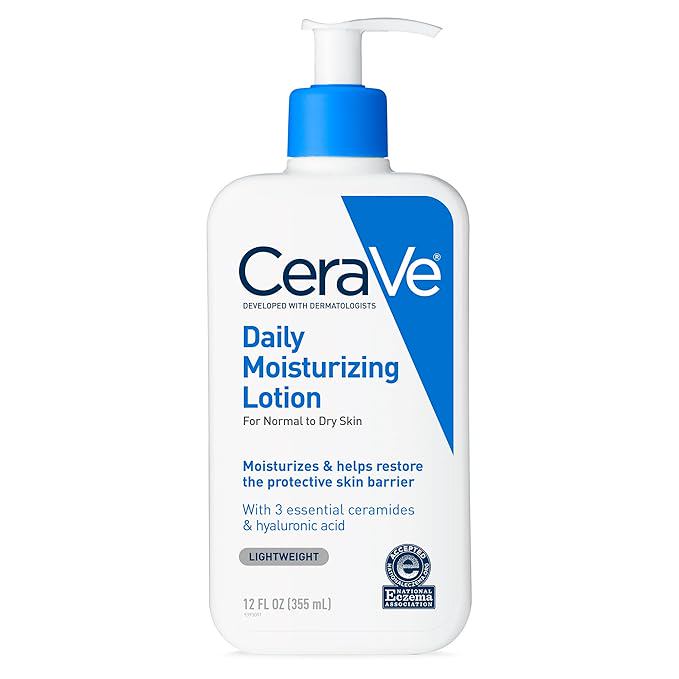
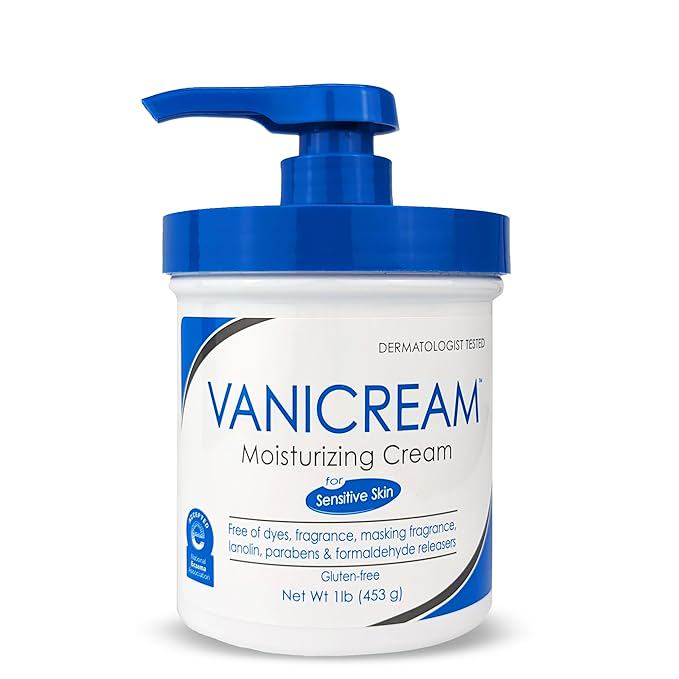
Use a very gentle AHA or enzyme exfoliant, but only once a week, or even every other week if your skin is sensitive. Pair this with a deeply hydrating moisturizer containing ceramides or hyaluronic acid to reinforce the barrier.
A gentle rule of thumb: If you notice tightness, stinging, or flaking after exfoliating, you're doing it too often. If you see clogged pores or congestion, you may need to increase slightly. Your skin's response is your best guide.
Signs you're over-exfoliating
It's easy to get carried away, especially when products promise glowing skin. Watch for these signs that you need to pull back:
- Redness or inflammation that doesn't subside after a few minutes
- A tight, shiny, or "stretched" feeling on the skin
- Increased breakouts in areas that were clear before
- Flaky patches that feel worse after exfoliating
- Sensitivity to products that you normally tolerate well
If you experience any of these, stop all exfoliating actives for at least a week. Focus only on a gentle cleanser, a hydrating serum, and a barrier-supporting moisturizer. Once your skin calms down, you can reintroduce exfoliation at a lower frequency.
Building a balanced weekly routine
Here is a sample schedule for someone with combination skin who is new to regular exfoliation. Adjust as needed based on your specific reactions.
- Monday: Gentle cleanse, moisture only. No actives.
- Tuesday: Gentle cleanse, BHA serum on T-zone, moisture.
- Wednesday: Gentle cleanse, moisture only.
- Thursday: Gentle cleanse, BHA serum on T-zone, moisture.
- Friday: Gentle cleanse, gentle AHA or enzyme mask on entire face (or skip if cheeks feel sensitive), moisture.
- Saturday: Gentle cleanse, moisture only.
- Sunday: Gentle cleanse, moisture only, or a hydrating sheet mask.
On non-exfoliating days, focus on hydration and barrier support. Ingredients like ceramides, squalane, and glycerin help maintain the water balance that combination skin craves.
Final thoughts: patience pays off
Finding the right exfoliation rhythm for combination skin is a process of listening to your skin and adjusting. It's better to err on the side of too little exfoliation than too much, because a damaged moisture barrier takes weeks to repair. Over time, with consistent, gentle care, you can achieve a healthy balance where dry areas feel comfortable and oily areas stay clear and smooth.