Waking up with a stuffy nose, a scratchy throat, and a foggy head can make you wonder: is this a sudden cold, or are seasonal allergies kicking in? The symptoms can be frustratingly similar, but the right course of action depends on knowing which one you are dealing with. Treating allergies with cold medicine won't help, and ignoring allergy triggers can make symptoms worse. Here is expert-backed advice to help you sort out the sneezes and get back to feeling like yourself.
What is actually happening in your body?
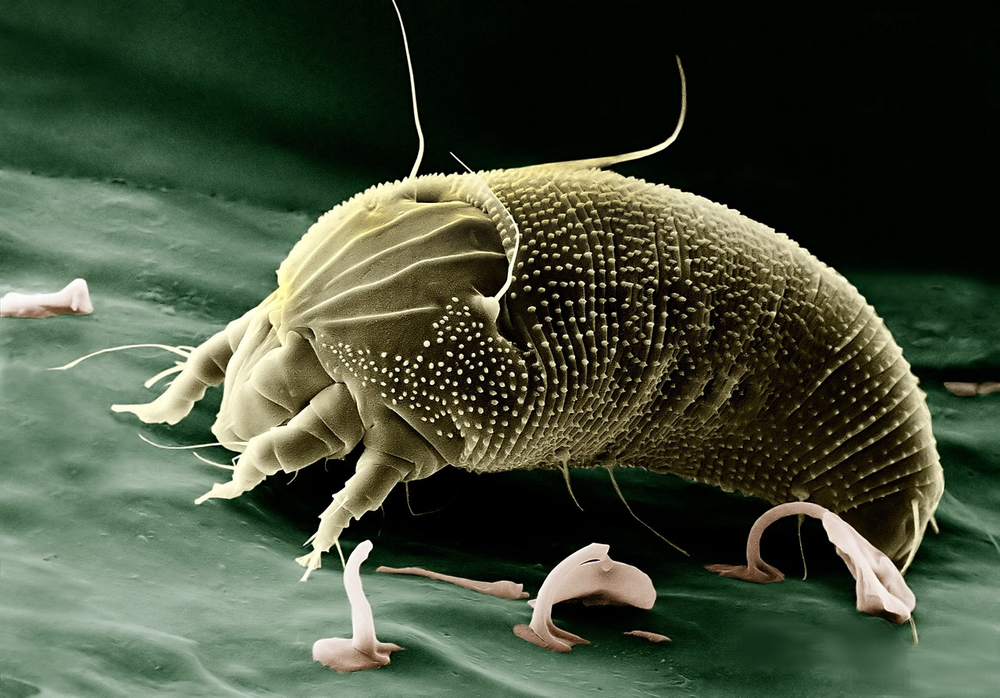
A cold is a viral infection. Your immune system launches an attack against the invading rhinovirus (or another cold virus), which triggers inflammation and mucus production. This battle is what makes you feel achy and tired. Allergies, on the other hand, are an immune system misfire. Your body mistakes a harmless substance—like pollen, pet dander, or dust mites—for a dangerous invader and releases histamine, leading to swelling, sneezing, and a runny nose.
The key difference lies in the trigger. Colds are contagious and spread by germs. Allergies are your body's reaction to an environmental trigger. Understanding this is the first step in telling them apart.
Timeframe: How fast symptoms appear
One of the clearest ways to differentiate a cold from allergies is the speed of onset. Allergies often hit you all at once. You can walk outside on a high-pollen day and within minutes have itchy eyes, a runny nose, and sneezing fits. A cold, in contrast, builds slowly. You might feel a tickle in your throat one day, then a stuffy nose the next, with symptoms peaking over a few days.
Quick check: Did symptoms appear suddenly after you spent time outside or around animals? That points toward allergies. Did they creep up over 24 to 48 hours? It is likely a cold.
Duration: Three days or three weeks?
A standard cold typically runs its course in 7 to 10 days. You are usually most contagious in the first few days, and symptoms gradually improve. Allergies, however, last as long as you are exposed to the allergen. This can mean weeks or even months during allergy season. If your congestion and sneezing linger well past the two-week mark, allergies are the more probable culprit.
Symptom clues to watch for
While both conditions share overlapping symptoms, some signs are more exclusive to one than the other. Look closely at what you are feeling beyond the basic stuffy nose.
Signs that favor a cold
- Body aches and fatigue: General muscle soreness and a feeling of being run down are common with viral infections, but rare with allergies.
- Fever: A low-grade fever (especially in children) is a strong indicator of a cold or other infection. Allergies never cause a fever.
- Sore or scratchy throat: While allergies can cause a dry, irritated throat from post-nasal drip, a painful, raw sore throat is more typical of a cold's early stages.
- Yellow or green mucus: Clear mucus is common in both, but thick, colored mucus often signals your immune system is fighting a virus.
Signs that favor allergies
- Itchy eyes, nose, or ears: Intense itching is a hallmark of histamine release. Itchy, watery eyes are far more common in allergies than in a cold.
- Sneezing in rapid succession: Allergy sneezes often come in bursts. While you can sneeze with a cold, the constant, repetitive sneezing fits suggest an allergic reaction.
- No fever or body aches: If your only symptoms are nasal congestion, sneezing, and itchy eyes, you probably have allergies.
- Consistent recurrence: If your symptoms appear every spring or every time you visit a home with a cat, allergies are a strong possibility.
When to see a doctor
Most colds and mild allergies can be managed at home. You should consult a healthcare provider if you experience high fever, difficulty breathing, wheezing, or symptoms that last longer than two weeks without improvement. A doctor can run simple allergy tests to identify specific triggers and recommend an appropriate treatment plan, which might include antihistamines, nasal sprays, or allergy shots.
In short, look at the timeline, the presence of itching, and whether you have body aches or a fever. Trust those clues to help you decide whether to rest and hydrate for a cold or minimize exposure to pollen and dust for allergies.