
Dark circles have a way of making us look tired, even when we’ve had a full night’s sleep. While topical creams and serums get most of the attention, what we put on our plate can be just as important as what we put on our skin. The skin around your eyes is thin and delicate, and it often shows the first signs of stress, poor circulation, or nutrient shortfalls. Supporting that area from the inside out—with specific vitamins and minerals—can help reduce the appearance of dark circles over time.
Below, we break down four science-backed nutrients that play a role in under-eye health. Each one supports a different aspect of recovery: circulation, collagen production, inflammation control, or hydration. No prescription, no gimmick—just purposeful eating.
1. Vitamin K – The Circulation Booster
If your dark circles lean more toward blue, purple, or green tones, poor circulation is often the culprit. Vitamin K is a fat-soluble vitamin that helps blood clot properly and supports healthy blood vessel walls. When capillaries under the eyes become weak or leaky, blood can pool in the tissue, creating that shadowy discoloration.
You can find vitamin K in leafy green vegetables like spinach, kale, collard greens, and Swiss chard. Brussels sprouts and broccoli are also good sources. A study published in the Journal of Cosmetic Dermatology found that a topical vitamin K formulation improved the appearance of dark circles after several weeks of use. While eating for eye health isn’t as rapid as a topical, regularly including vitamin K-rich foods can support vascular strength over time.
Aim for one serving of leafy greens per day. A handful of spinach in your morning smoothie or a side of sautéed kale at dinner is enough to make a difference.
2. Iron – The Oxygen Carrier
Iron deficiency anemia is one of the most common nutritional causes of dark circles. When your body doesn’t have enough iron, it can’t produce sufficient hemoglobin—the protein in red blood cells that carries oxygen to tissues. Without enough oxygen, the skin under the eyes can look pale, making the blood vessels underneath more visible and creating a dark, hollow appearance.
Iron comes in two forms: heme iron (from animal sources) and non-heme iron (from plants). Heme iron is absorbed more easily, but plant sources can still be effective when paired with vitamin C. Good dietary sources include lean red meat, chicken, turkey, lentils, chickpeas, fortified cereals, and dark leafy greens. Pairing spinach with a squeeze of lemon, for example, helps boost absorption.
If you suspect a deficiency, a simple blood test can confirm low iron levels. For general eye health, maintaining adequate iron intake helps keep the under-eye area looking more even in tone and less washed out.
3. Vitamin C – The Collagen Builder
Dark circles aren’t just about color—they’re also about texture and laxity. As we age, collagen production naturally declines, and the skin under the eyes becomes thinner and less resilient. Thin skin makes blood vessels more noticeable, and it can also lead to hollowing that creates shadows.
Vitamin C is essential for collagen synthesis. It helps stabilize the collagen molecules that give your skin structure and firmness. Without enough vitamin C, the under-eye area can appear crepey, dull, and more prone to darkening. A review in Nutrients highlighted vitamin C’s role in photoprotection and skin repair, noting that adequate intake supports both dermal health and antioxidant defense.
Great food sources include citrus fruits (oranges, grapefruit), strawberries, kiwi, bell peppers, broccoli, and tomatoes. Aim for a variety of raw or lightly cooked produce, as vitamin C is sensitive to heat.
4. Omega-3 Fatty Acids – The Inflammation Fighters
Inflammation can make dark circles worse. When your body is in a state of chronic low-grade inflammation—often driven by stress, poor diet, or lack of sleep—blood vessels dilate and fluid can accumulate under the eyes. That leads to puffiness, redness, and a darker overall appearance.
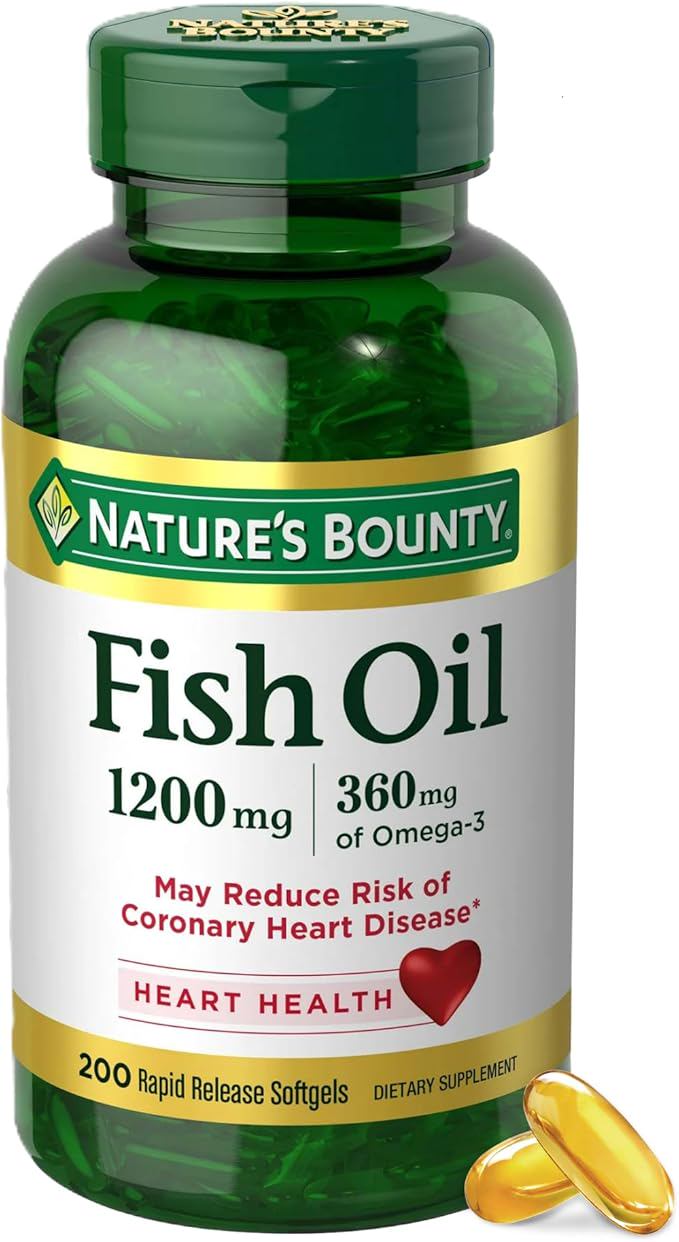
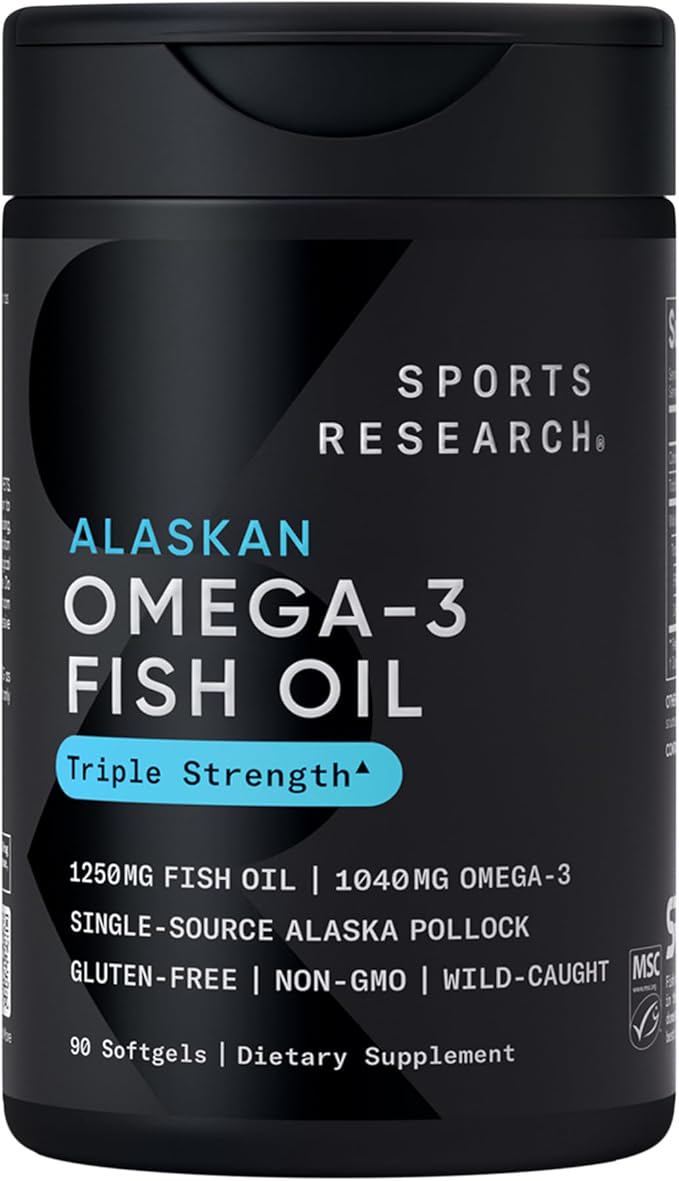
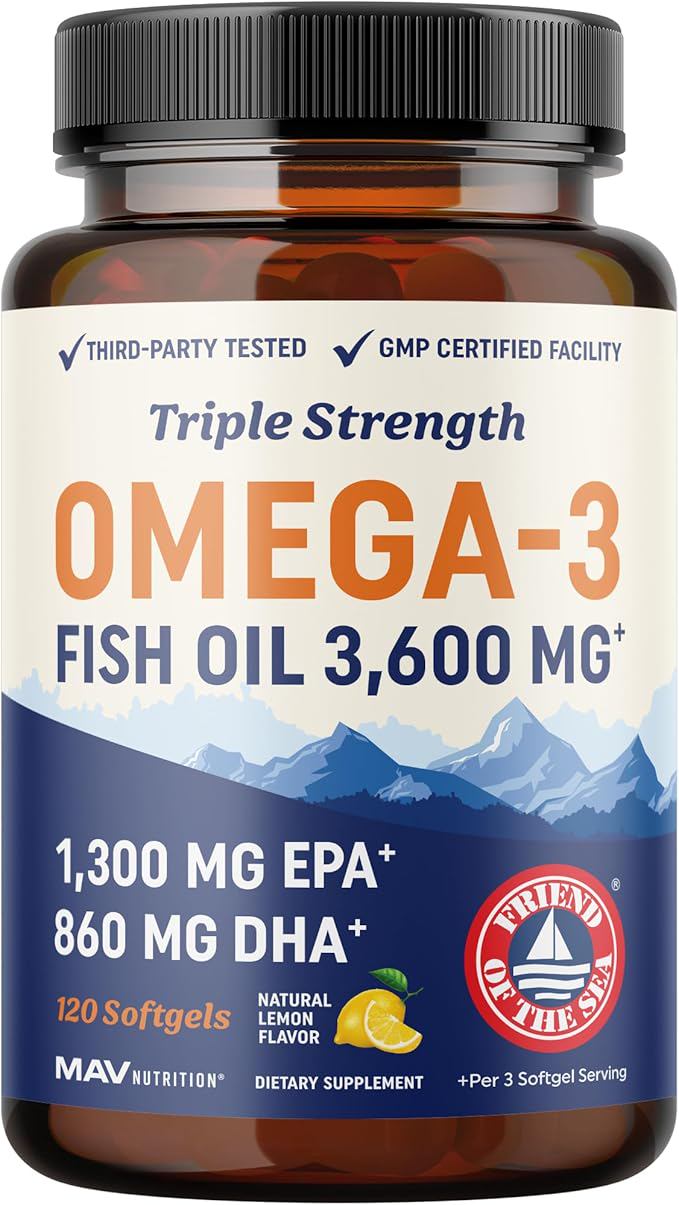
Omega-3 fatty acids, particularly EPA and DHA found in fatty fish, are powerful anti-inflammatory compounds. They help reduce swelling, support healthy circulation, and maintain the lipid barrier of skin cells. A study in Marine Drugs suggested that omega-3 supplementation improved skin hydration, reduced transepidermal water loss, and supported a more even skin tone.
Include fatty fish like salmon, mackerel, sardines, and anchovies in your diet at least twice a week. Plant-based sources—flaxseeds, chia seeds, walnuts—contain ALA, which your body converts to EPA and DHA at a low rate. If you follow a plant-based diet, consider adding an algae-based omega-3 supplement after consulting a healthcare provider.
Putting It All Together: A Sample Day for Eye Health
You don’t need a complicated meal plan. Here’s what a day of eating for eye health might look like, combining all four nutrients:
- Breakfast: Smoothie with spinach (vitamin K, iron), strawberries (vitamin C), and chia seeds (omega-3 ALA).
- Lunch: Lentil soup with lemon juice (iron + vitamin C) and a side of steamed kale (vitamin K).
- Snack: Orange sections and a handful of walnuts (vitamin C + omega-3).
- Dinner: Grilled salmon (omega-3 DHA/EPA) with roasted broccoli (vitamin C, vitamin K) and quinoa (iron).
This pattern delivers all four nutrients in whole-food form, supporting circulation, collagen strength, inflammation control, and oxygen delivery—all factors that influence dark circle recovery.
Important Caveats
No single nutrient works overnight. Dark circles have multiple causes—genetics, allergies, sleep deprivation, and aging among them—and nutrition is one piece of a larger puzzle. Eating for eye health is a supportive strategy, not a standalone cure. If your dark circles are severe, persistent, or accompanied by other symptoms like fatigue or shortness of breath, consult a healthcare professional to rule out underlying conditions like anemia, thyroid imbalance, or allergies.
Also note that dietary changes typically take several weeks to show visible effects on skin. Consistency matters more than perfection.