When we think about maintaining firm, resilient skin, our minds often go straight to serums and creams. But the foundation of that youthful bounce and strength is built from within, starting with what’s on your plate. Collagen, the most abundant protein in your body, is the scaffolding that gives skin its structure and elasticity. While topical products can support the surface, nourishing your body with the right building blocks is a fundamental step a dietitian would recommend for supporting your skin’s natural firmness.
Think of collagen production like a construction project. Your body needs specific raw materials—amino acids, vitamins, and minerals—to assemble this vital protein. Over time, natural production slows, but you can support the process by consistently providing these key nutrients through your diet. It’s less about a single "magic" food and more about a pattern of eating that supplies the comprehensive toolkit your body needs.
What Does Your Body Need to Build Collagen?
Collagen is made primarily from three amino acids: proline, glycine, and hydroxyproline. To weave these amino acids together into strong, stable collagen fibers, your body relies heavily on vitamin C as a cofactor. Zinc and copper are also essential minerals in the process. Without adequate supplies of these nutrients, the construction project stalls. Therefore, foods that support collagen and firmness are typically rich in these specific compounds, helping to fuel your body’s innate production.
The goal isn't to eat collagen directly, but to eat the nutrients that enable your body to build its own, robust supply.
Key Foods to Include in Your Routine
Incorporating a variety of these dietitian-recommended foods can help ensure you’re covering all the nutritional bases for skin health.
Protein-Rich Foundations
Since collagen is a protein, it makes sense to start with high-quality protein sources that provide the necessary amino acids.
- Bone Broth: Simmered from animal bones and connective tissue, it’s a source of gelatin, which is broken-down collagen, providing a direct influx of those building-block amino acids like glycine and proline.
- Chicken, Pork, and Beef: These meats, particularly cuts with connective tissue (like chicken thighs or pot roast), are natural sources of collagen and the amino acids required to make it.
- Fish and Shellfish: Especially fish with edible skin (like salmon) and shellfish. They provide protein and often contain trace minerals like zinc.
- Eggs: While eggs don’t contain connective tissue, they are rich in proline and other amino acids found in collagen, making them an excellent supporting food.
Vitamin C Powerhouses
Vitamin C is non-negotiable. It’s crucial for stabilizing the collagen structure and acts as a protective antioxidant.
- Citrus Fruits: Oranges, grapefruits, lemons, and limes are classic, accessible sources.
- Bell Peppers: Surprisingly, red and yellow bell peppers contain more vitamin C per serving than an orange.
- Broccoli & Brussels Sprouts: These cruciferous vegetables deliver a solid dose of vitamin C along with other skin-supportive nutrients.
- Strawberries, Kiwi, and Papaya: Sweet, colorful options that make supporting your skin a pleasure.
Foods Rich in Zinc and Copper
These trace minerals are co-factors for enzymes that synthesize and stabilize collagen.
- Seeds and Nuts: Pumpkin seeds, sesame seeds, and cashews are standout sources of zinc. Cashews and sunflower seeds also provide copper.
- Legumes: Chickpeas, lentils, and beans offer zinc, especially important for plant-based diets.
- Dark Leafy Greens: Spinach, kale, and Swiss chard contain copper and antioxidants.
- Organ Meats: For those who eat them, liver is an exceptionally rich source of both copper and preformed vitamin A, another nutrient important for skin health.
Antioxidant-Rich Supporters
Environmental factors can break down collagen. Foods high in antioxidants help protect these precious proteins from damage.
- Berries: Blueberries, raspberries, and blackberries are packed with anthocyanins and vitamin C.
- Dark Leafy Greens (again): Their antioxidants like lutein help improve skin hydration and elasticity.
- Tomatoes: Rich in the antioxidant lycopene, which may help protect skin from sun-related collagen degradation.
- Green Tea: Contains catechins, antioxidants studied for their potential to support collagen production and protect existing collagen.
Putting It All Together on Your Plate
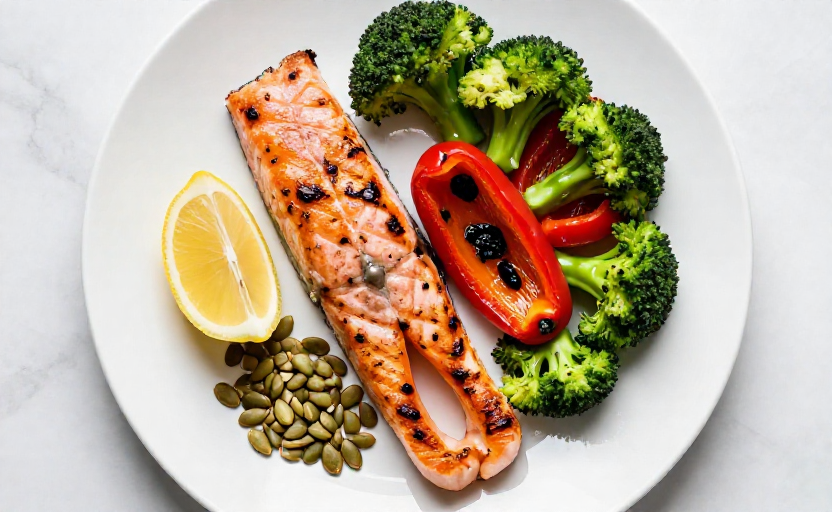
You don’t need to obsess over each nutrient at every meal. Instead, aim for a colorful, varied diet over the course of your day or week. A lunch of salmon (protein, zinc) with a side of roasted bell peppers and broccoli (vitamin C) checks multiple boxes. A snack of Greek yogurt with berries provides protein and antioxidants. A stir-fry with chicken, dark leafy greens, and sesame seeds brings together amino acids, copper, and zinc.
Consistency is more powerful than perfection. Regularly including these food groups helps maintain a steady supply of nutrients for ongoing collagen support. It’s also wise to be mindful of habits that can deplete collagen, such as high sugar intake, excessive sun exposure, and smoking, as these can undermine your dietary efforts.
While diet is a powerful foundational tool, it works in concert with other lifestyle factors. Staying hydrated, managing stress, prioritizing sleep, and using broad-spectrum sunscreen all play critical roles in maintaining skin firmness and overall health. If you have specific concerns about your skin or nutritional needs, consulting with a registered dietitian or dermatologist can provide personalized guidance.