Mornings can feel like a race against the clock, especially when you’re navigating a gluten-free lifestyle. The default options—toast, cereal, a quick muffin—often vanish from the menu, leaving you scrambling. But a rushed morning doesn’t have to mean a skipped meal or a nutritionally empty one. With a bit of strategy, your gluten-free breakfast can be both quick to prepare and deeply nourishing.
The key is shifting from a scarcity mindset to one of abundance. A gluten-free morning isn’t about removing options; it’s about discovering a wider, more vibrant world of whole foods that naturally fuel your day. Let’s explore some practical, dietitian-backed approaches to make your first meal effortless and satisfying.
What makes a breakfast truly nourishing?
Before we dive into the “how,” it helps to understand the “why.” A sustaining breakfast does more than just quiet a growling stomach. It sets your metabolic tone for the day, supports steady energy, and helps you focus. For a gluten-free meal to hit these marks, aim to combine a few key elements.
Think about including a source of protein, like eggs, Greek yogurt, or nut butter. Pair it with healthy fats from avocado, seeds, or olive oil. Then, add fiber-rich carbohydrates, which on a gluten-free diet come from fruits, vegetables, and whole grains like oats or quinoa. This combination digests slowly, preventing the mid-morning energy crash that can follow a sugary, carb-heavy start.
The goal isn’t perfection. It’s about building a toolkit of reliable, simple options that work for your real life.
Strategies for your fastest mornings
On those days when every minute counts, your preparation happens the night before—or even earlier in the week.
Embrace the make-ahead batch. Cook once, eat multiple times. This is the golden rule for effortless mornings. On a quieter afternoon, prepare a big pot of gluten-free oatmeal or quinoa porridge. Portion it into containers; reheating takes mere minutes. Similarly, a frittata or egg muffins packed with veggies can be baked ahead and grabbed all week.
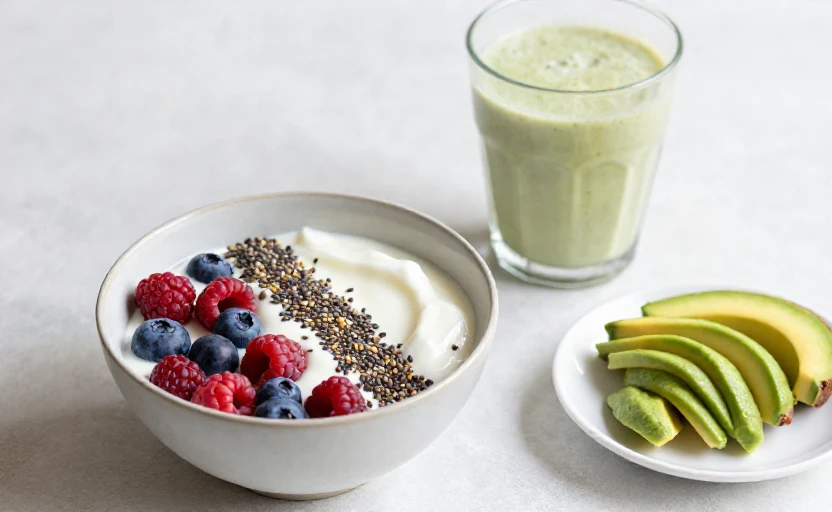
Master the art of assembly. Some of the best breakfasts require no cooking at all. Keep your kitchen stocked with building blocks: single-serve cups of plain yogurt, washed berries, a jar of mixed nuts and seeds, and hard-boiled eggs. In the morning, it’s just a matter of combining them in a bowl.
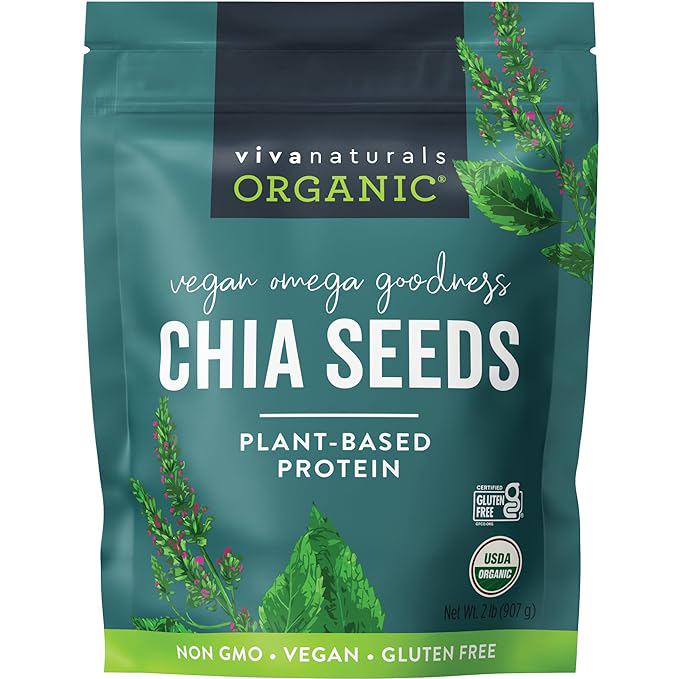
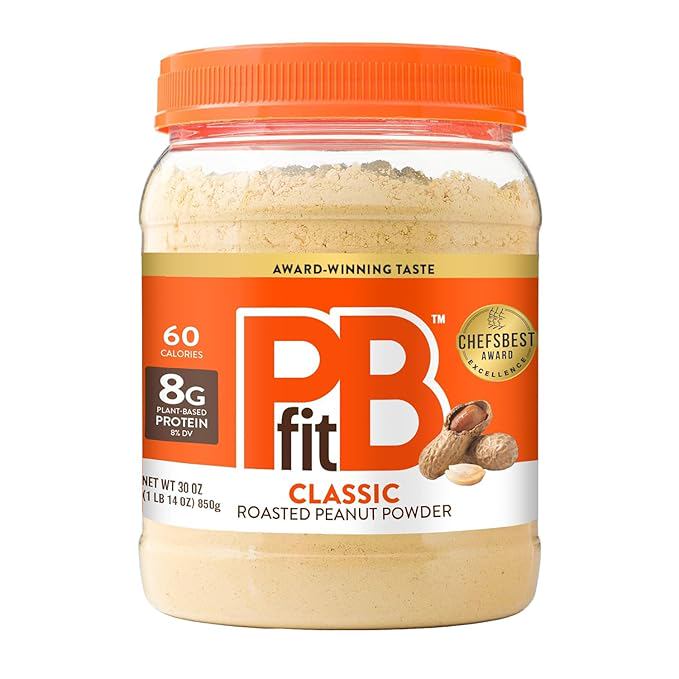
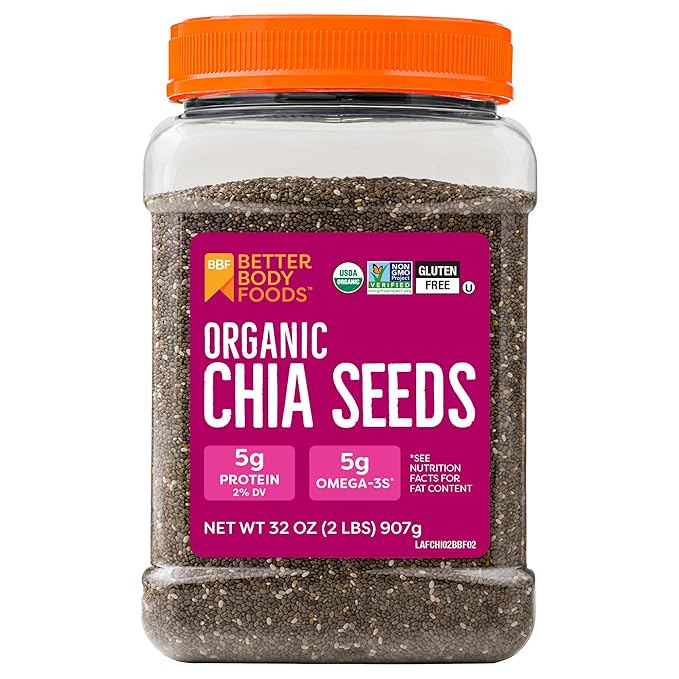
Rethink your smoothie. A well-made smoothie is a complete meal in a glass. For staying power, go beyond fruit. Blend a handful of spinach, a scoop of protein powder or Greek yogurt, a tablespoon of nut butter or chia seeds, and your choice of milk. It’s portable, customizable, and takes less than five minutes.
Simple ideas to rotate through your week
Here are a few concrete ideas that put these strategies into practice. Mix and match based on what you have and how much time you’ve got.
- Chia Pudding: The night before, mix chia seeds with your preferred milk (dairy or plant-based), a dash of vanilla, and a touch of maple syrup. By morning, it will have transformed into a creamy, pudding-like texture. Top with fresh fruit and a sprinkle of toasted coconut.
- Savory Yogurt Bowl: Swap sweet for savory. Start with plain, full-fat Greek yogurt. Drizzle with olive oil, sprinkle with salt and pepper, and top with sliced cucumber, cherry tomatoes, and a handful of pumpkin seeds or chickpeas.
- Quick Breakfast Tacos: Warm two corn tortillas. Scramble an egg or two, or use leftover roasted beans. Add sliced avocado and a spoonful of salsa. It’s flavorful, filling, and ready in under ten minutes.
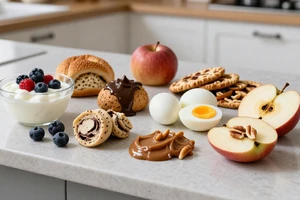
- Nut & Seed Butter “Toast”: Spread your favorite nut or seed butter on a rice cake, slices of apple or pear, or even on a gluten-free waffle. The protein and fat will keep you satisfied for hours.
Building a supportive gluten-free pantry
Your success with quick mornings hinges largely on what’s already in your kitchen. A little intentional stocking makes all the difference.
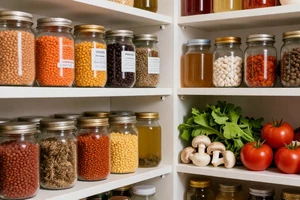
Keep these staples on hand: a reliable gluten-free rolled oat (certified if you have celiac disease), eggs, plain yogurt, frozen berries and spinach, nuts and seeds (like almonds, walnuts, pumpkin, and chia), canned beans, corn tortillas, and avocados. With these basics, you’re never more than a few steps from a complete meal.
Remember, the most nourishing gluten-free breakfast is the one you actually have time to eat and enjoy. It doesn’t need to be Instagram-worthy. It needs to work for you, providing the steady energy you need to move through your morning with clarity and calm.