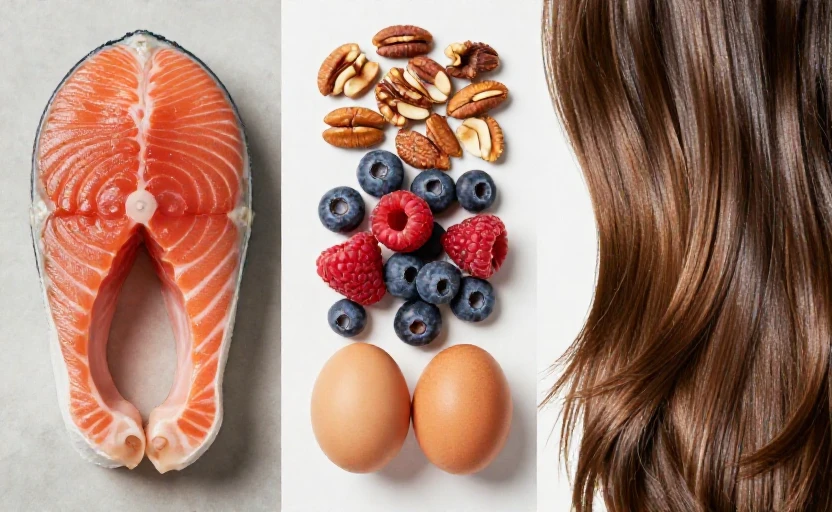
You might be surprised to learn that the secret to smoother, stronger hair that resists splitting isn't just in your bathroom cabinet—it's in your kitchen. While topical treatments can offer temporary relief, the foundation for truly resilient hair is built from the inside out. The proteins, fats, and vitamins you consume directly influence the health of each strand from its very formation.
Split ends are a clear signal of damage, often from heat, brushing, or chemical processing. But they can also point to a deeper nutritional gap. When your hair lacks the essential building blocks it needs, the protective outer cuticle weakens, making it prone to fraying and breaking. By making strategic, dietitian-backed swaps in your daily meals, you can nourish your hair at the root, promoting strength and elasticity that helps prevent future damage and supports the repair of existing splits.
How does food actually affect hair health?
Think of each hair strand as a complex structure built primarily of a protein called keratin. For your body to produce strong, flexible keratin, it needs a steady supply of specific amino acids (the building blocks of protein), along with key vitamins and minerals that act as co-factors in the construction process. When your diet is deficient, your body prioritizes vital organs over hair growth. The result? Hair that grows in weaker, more brittle, and susceptible to environmental stressors, leading to those frustrating splits.
Nutritional support won't magically fuse a split end back together—once the hair shaft is damaged, the only fix is a trim. However, consistently nourishing your body ensures that the new hair growing in is as robust as possible, reducing future breakage and making your hair more resilient overall. It’s a long-term strategy for a healthier mane.
Key food swaps to nourish your strands
Instead of a drastic diet overhaul, focus on simple, sustainable substitutions. These swaps target the core nutrients your hair craves for strength, moisture, and protection.
Swap refined grains for whole grains
Refined carbohydrates like white bread and pasta can cause spikes in blood sugar, which may be linked to inflammation. For hair health, the bigger issue is what you’re missing: B vitamins and minerals like zinc and iron, which are stripped away during processing.
Try this: Choose quinoa, brown rice, oats, or whole-wheat bread. These are rich in B vitamins like biotin and folate, which are crucial for cell growth and oxygen delivery to the scalp. Iron, plentiful in fortified whole grains, helps red blood cells carry oxygen to hair follicles, supporting healthy growth.
Swap processed snacks for nuts and seeds
Reach past the chip bag for a handful of almonds, walnuts, sunflower seeds, or chia seeds. This swap delivers a powerful punch of vitamin E, zinc, selenium, and essential fatty acids.
Vitamin E is a potent antioxidant that helps protect hair follicles from oxidative stress caused by pollution and UV rays. Zinc plays a direct role in hair tissue growth and repair. The omega-3 fatty acids found in walnuts and chia seeds add natural shine and hydration to the hair shaft, helping to prevent dryness that leads to brittleness.
A small daily serving of mixed nuts and seeds can be a simple, impactful habit for long-term hair strength.
Swap lean-only protein for omega-3 rich protein
While chicken breast and lean beef are excellent sources of hair-building protein, diversifying your sources to include fatty fish adds a critical dimension for hair health.
Make the switch: Incorporate salmon, mackerel, or sardines into your meals twice a week. These fish are loaded with omega-3 fatty acids, which your body cannot produce on its own. Omega-3s nourish the scalp, reduce inflammation that can inhibit growth, and provide the oils that keep your hair naturally lubricated and shiny. For plant-based options, focus on flaxseeds, walnuts, and algae-based supplements.
Swap sugary treats for vitamin C-rich fruits
Excess sugar can contribute to inflammation and may indirectly affect hair health. A more direct benefit comes from swapping a candy bar for berries, citrus, or kiwi.
Vitamin C is a superstar for hair. It’s essential for producing collagen, a protein that strengthens the hair shaft and the capillaries that supply it. It also dramatically increases your absorption of iron from plant-based foods (like those whole grains and spinach), making it a key partner in preventing deficiency-related hair weakness.
Foods to embrace for hydration and strength
Beyond swaps, actively adding these foods to your rotation provides targeted benefits:
- Eggs: A complete protein source containing all essential amino acids, plus biotin and other B vitamins crucial for keratin production.
- Spinach & Dark Leafy Greens: Packed with iron, folate, and vitamins A and C. Vitamin A helps skin glands produce sebum, the natural oil that moisturizes the scalp.
- Sweet Potatoes: An excellent source of beta-carotene, which the body converts to vitamin A, supporting a healthy scalp environment.
- Avocados: Rich in healthy fats and vitamin E, offering deep moisturizing benefits from the inside.
- Legumes (Lentils, Beans): Great plant-based sources of protein, iron, zinc, and biotin.
Putting it all together
Repairing and preventing split ends through nutrition is not about a single miracle food. It’s about consistent, balanced eating that provides a broad spectrum of support. Aim for a colorful plate at every meal, prioritizing whole foods over processed ones. Stay well-hydrated with water and herbal teas, as dehydration can make hair dry and brittle.
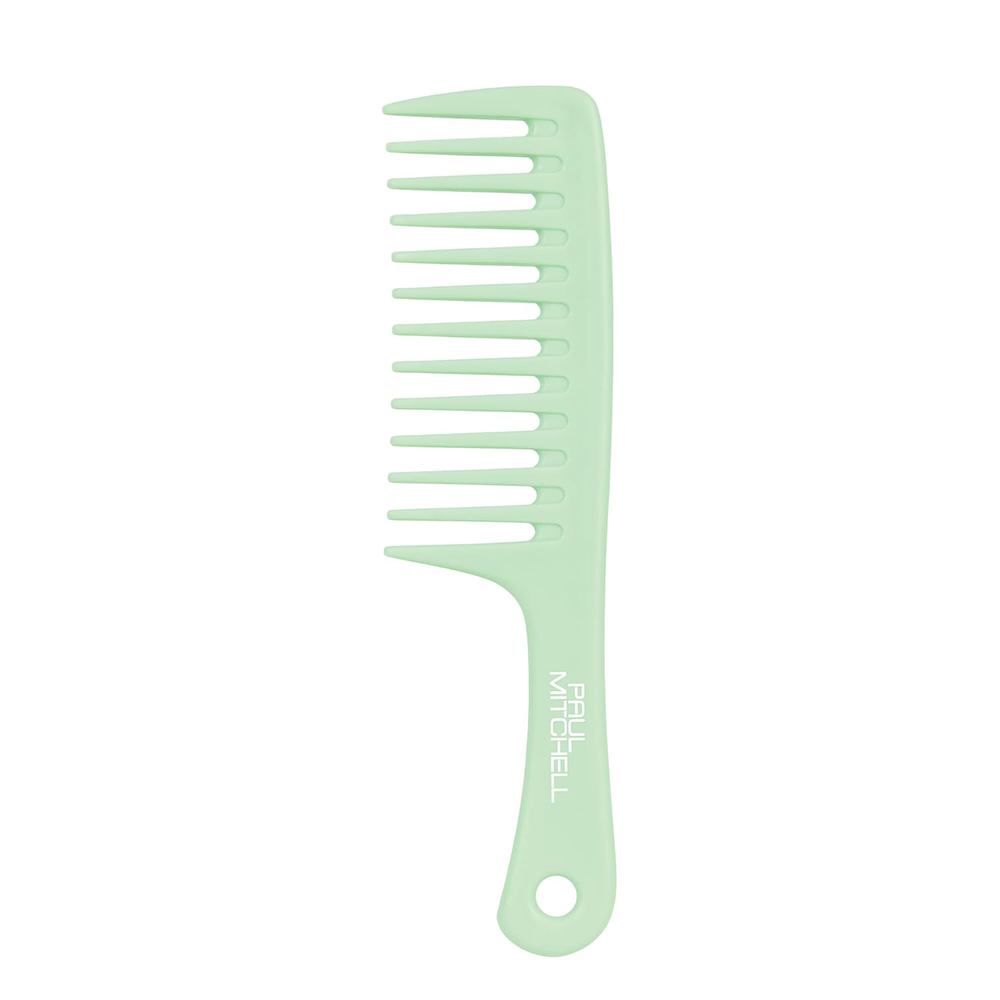
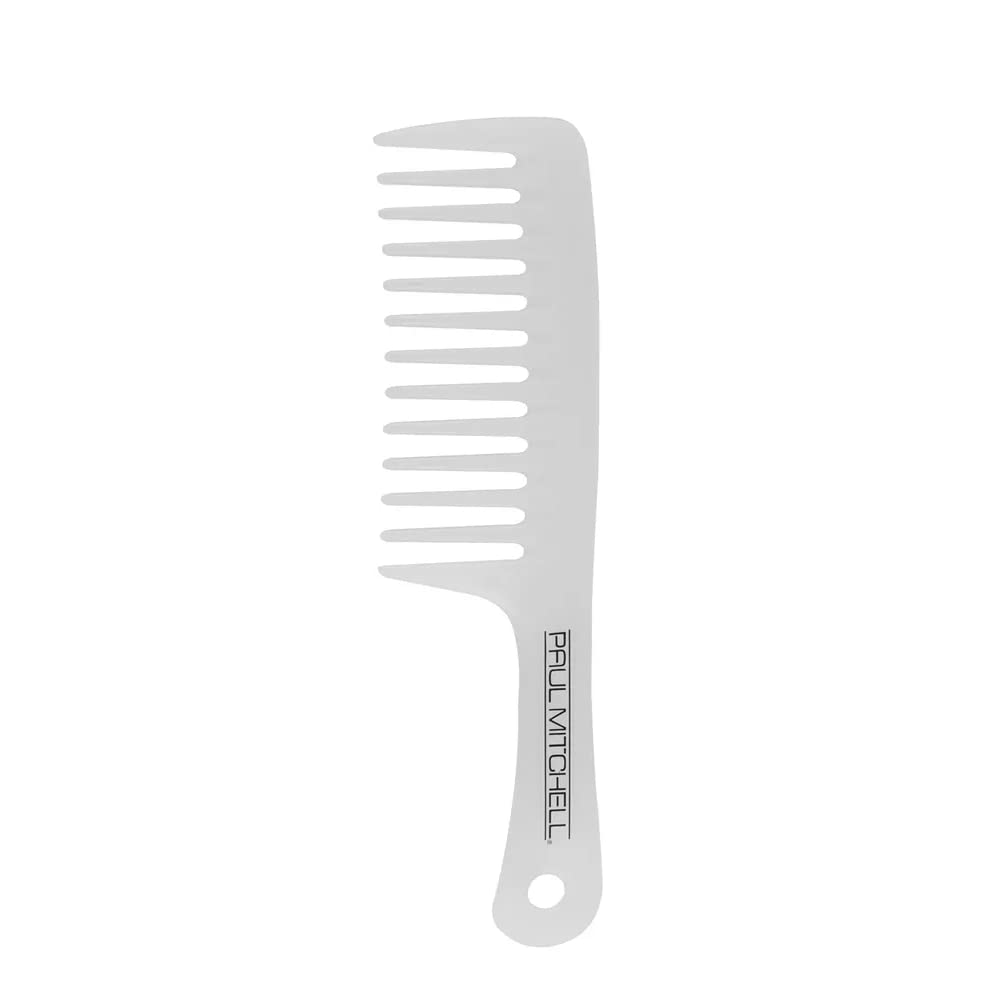
Pair this internal nourishment with gentle hair care habits: use a wide-tooth comb on wet hair, minimize heat styling, and get regular trims to remove existing splits. When you support your hair from both the inside and out, you create the ideal conditions for it to grow strong, shiny, and far less prone to splitting.