Getting a satisfying, nutritious vegetarian meal on the table quickly can feel like a puzzle. You want something that’s more than just a side salad, something that truly fuels you. The good news is that with a few smart strategies, you can move from feeling stuck to feeling confident in the kitchen, even on your busiest days.
The key isn’t about finding one magical recipe; it’s about building a flexible framework. By focusing on balance, pantry staples, and simple techniques, you can assemble meals that are as nourishing as they are delicious, without spending hours cooking.
What makes a vegetarian meal balanced?
A balanced plate is your foundation for sustained energy and satisfaction. Think of it as combining a few core components that work together. Aim to include a source of plant-based protein, a complex carbohydrate, healthy fats, and a generous serving of vegetables or fruits. This combination helps regulate blood sugar, keeps you full longer, and ensures you’re getting a wide range of nutrients.
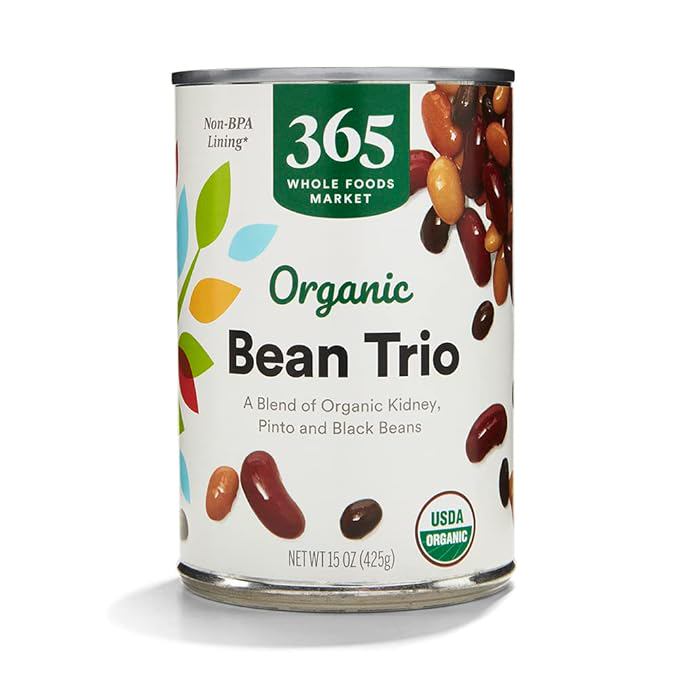
For quick meals, your protein doesn’t have to be complicated. Canned beans, lentils, tofu, tempeh, edamame, or a couple of eggs are perfect, ready-to-use options.
Building your strategic pantry
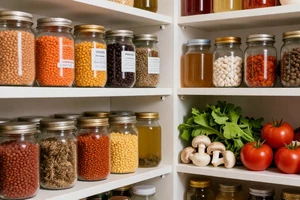
A well-stocked pantry is your greatest ally for speed. When you have the right basics on hand, you’re never more than 15 minutes from a good meal. Focus on shelf-stable and freezer-friendly items that form the backbone of countless dishes.
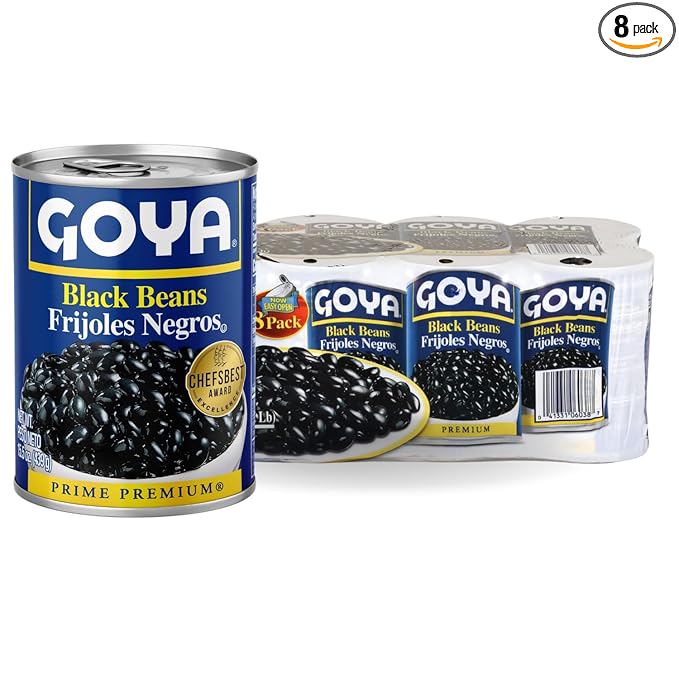
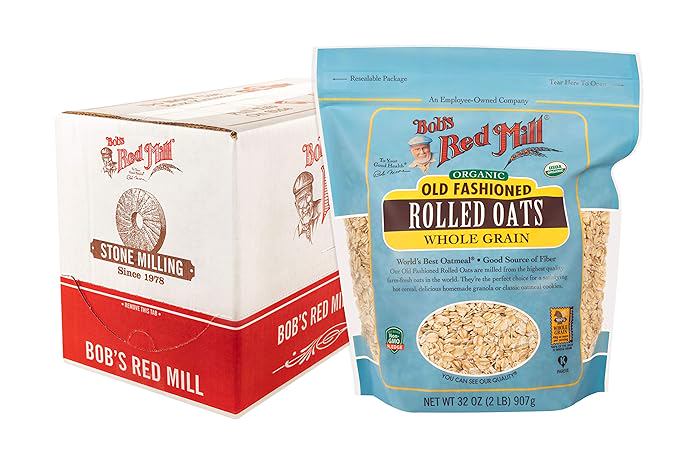
Keep your cabinets stocked with a variety of canned beans (like chickpeas, black beans, and kidney beans), lentils, whole grains (quinoa, brown rice, oats), and whole-wheat pasta. Nuts, seeds, and their butters are excellent for protein and healthy fats. For flavor, have a selection of oils, vinegars, soy sauce, spices, and dried herbs.
Your freezer is just as important. Frozen vegetables like spinach, peas, corn, and mixed blends are picked at peak freshness and require no chopping. Frozen edamame, veggie burgers, and even pre-cooked grains can be lifesavers. Don’t forget aromatics—minced garlic and ginger stored in the freezer can be scooped straight into a hot pan.
Mastering the quick-cooking method
Certain cooking methods are naturally faster than others. Embracing these can shave significant time off your meal prep.
Stir-frying is a classic for a reason. High heat cooks thinly sliced vegetables and protein in minutes. Toss with a simple sauce and serve over pre-cooked grains or noodles.
Sheet-pan roasting is the ultimate hands-off approach. Chop vegetables and a protein like tofu or chickpeas, toss them with oil and spices on a single pan, and roast until everything is caramelized and tender.
One-pot meals, like soups, stews, and grain bowls, minimize cleanup. You can simmer lentils, vegetables, and broth together, or toss cooked quinoa with roasted veggies, beans, and a dressing right in the storage container for tomorrow’s lunch.
Five frameworks for endless meals
Instead of memorizing recipes, try using these flexible templates. They provide structure but let you improvise with what you have.
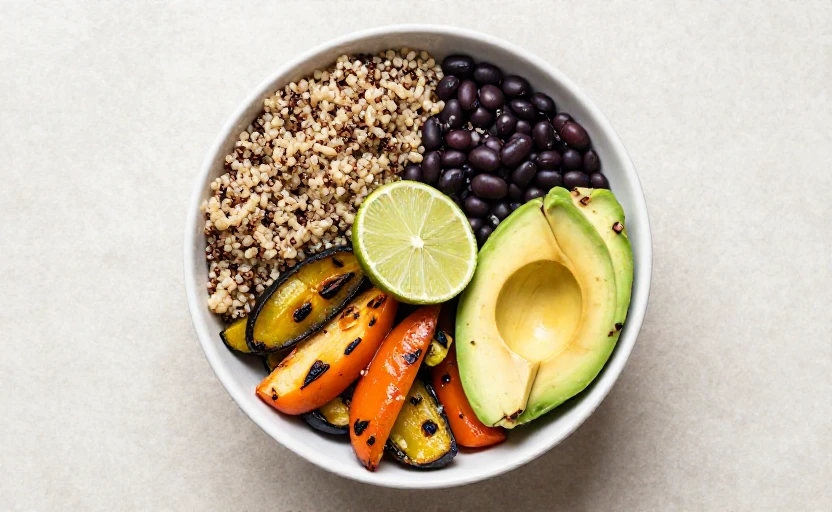
The Grain Bowl
Start with a base of cooked grains (quinoa, farro, rice). Add a protein (black beans, chickpeas, baked tofu). Pile on raw or cooked vegetables. Drizzle with a flavorful sauce (like tahini-lemon, peanut, or a simple vinaigrette) and sprinkle with seeds or nuts for crunch.
The Hearty Salad
Go beyond lettuce. Use a sturdy base like massaged kale, shredded cabbage, or whole grains. Add beans, lentils, or a hard-boiled egg. Include roasted vegetables for sweetness and substance. A rich dressing helps all the elements come together.
The Wrap or Taco
Spread a whole-wheat tortilla with hummus or mashed avocado. Fill with spiced chickpeas or refried beans, shredded veggies, and a quick slaw. It’s portable, customizable, and requires no utensils.
The Speedy Soup
Sauté aromatics, add broth and a can of diced tomatoes. Stir in a can of beans and a handful of small pasta or frozen vegetables. Simmer for 10-15 minutes. Finish with a handful of spinach and a sprinkle of Parmesan or nutritional yeast.
The Breakfast-for-Dinner Scramble
Sauté diced vegetables like peppers, onions, and spinach. Add crumbled tofu or a couple of beaten eggs. Scramble until cooked through. Serve with whole-grain toast and sliced avocado for a satisfying meal any time of day.
Making it work for you
The most sustainable strategy is the one that fits your life. If you have 20 minutes one evening, cook a double batch of grains or roast two sheet pans of vegetables. Those leftovers become the foundation for tomorrow’s effortless lunch. Keep a list of your favorite fast combinations on the fridge for when inspiration runs low. Remember, a balanced vegetarian meal doesn’t have to be gourmet—it just has to work for you, nourish your body, and taste good.