You want to eat well, but the clock is ticking. The siren call of takeout or a hastily assembled bowl of cereal grows louder by the minute. For anyone trying to cook more vegetarian meals, this evening scramble is all too familiar. The good news? Flavorful, nourishing food doesn't have to be a project. With a few smart shortcuts and a shift in perspective, you can get a satisfying meal on the table without spending your entire evening in the kitchen.
The secret isn't a magic ingredient; it's a strategy. It's about building a pantry that works for you, rethinking what a "recipe" has to be, and giving yourself permission to keep things simple. Let's move away from the idea of cooking as a performance and toward the reality of cooking as a sustainable, enjoyable part of your day.
Build Your Flavor Foundation First
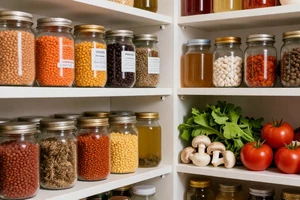
Think of your pantry, fridge, and freezer as your culinary toolkit. When these are thoughtfully stocked, you're never starting from zero. The goal isn't to have every ingredient under the sun, but to have versatile, high-impact components that build flavor quickly.
For instant depth, keep a selection of prepared sauces and pastes on hand. A good jarred marinara, curry paste, or salsa verde can be the launchpad for countless meals. Canned beans, lentils, and chickpeas are non-negotiable for fast protein and fiber—rinse them and they're ready to go. In the freezer, frozen vegetables like peas, spinach, and chopped peppers are often more nutrient-dense than their sad, wilting fresh counterparts and cook in minutes.
Your flavor arsenal should include:
- Acids: A squeeze of lemon or lime, a dash of vinegar (apple cider, rice, or balsamic), or a spoonful of pickled vegetables can brighten a dish instantly.
- Umami Boosters: Soy sauce, tamari, nutritional yeast, tomato paste, and miso paste add a savory, satisfying depth that makes meals taste more substantial.
- Fresh Herbs & Aromatics: While fresh is lovely, don't underestimate the power of tube pastes (like ginger or garlic) or dried herbs. A sprinkle of smoked paprika or dried oregano can work wonders.
A well-stocked pantry turns "What can I possibly make?" into "Which of these easy options do I want?"
Embrace the Formula, Not Just the Recipe
Rigid recipes have their place, but for weeknight ease, it's more helpful to think in flexible formulas. These templates provide structure but allow for infinite variation based on what you have.
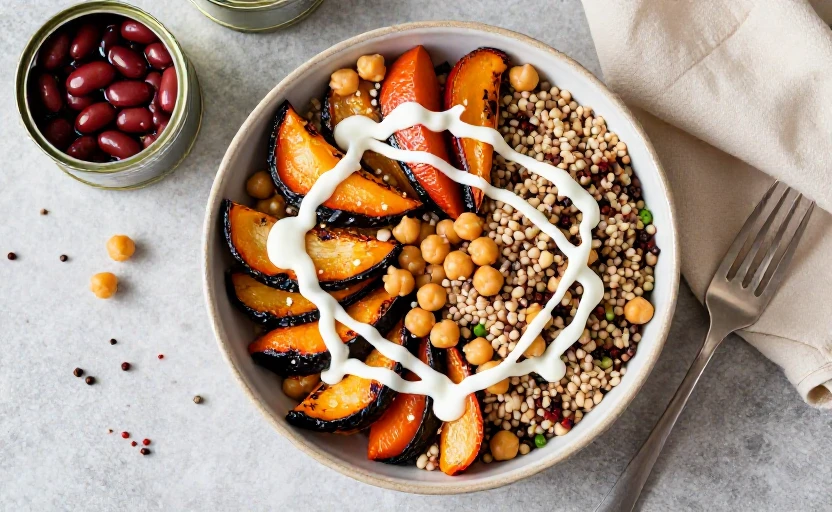
The Grain Bowl Formula: Start with a pre-cooked grain (like quinoa, farro, or brown rice from a batch you made earlier in the week). Add a protein (canned beans, lentils, baked tofu, or a fried egg). Pile on vegetables (raw, roasted, or sautéed). Finish with a sauce (a tahini drizzle, a yogurt-based herb sauce, or that jarred curry simmered with a splash of coconut milk) and a crunch (seeds, nuts, or crispy chickpeas).
The Speedy Stir-Fry Formula: Sauté aromatics (onion, garlic, ginger) in a bit of oil. Add your hardest vegetables (like broccoli or carrots), then softer ones (bell peppers, zucchini). Toss in a protein (cubed tempeh, edamame, or pre-baked tofu). Sauce it with a simple mix of soy sauce, a touch of maple syrup or hoisin, and a splash of water or vegetable broth. Let it simmer for a minute until glossy, then serve over noodles or rice.
The One-Pot Soup or Stew Formula: Sauté onions and spices. Add broth, a can of diced tomatoes (if you like), and your choice of chopped vegetables and lentils or beans. Simmer until everything is tender. Blend half for creaminess or leave it chunky. Finish with a handful of greens just before serving.
Let Convenience Be Your Co-Pilot
Using pre-prepped ingredients isn't cheating; it's intelligent time management. The modern grocery store is full of legitimate shortcuts designed to get you eating real food faster.
Look for pre-washed greens, pre-chopped butternut squash or stir-fry vegetable blends, minced garlic in jars, and pre-cooked lentils or beets in the refrigerated section. A rotisserie-style cooked chicken is a classic shortcut; seek out its vegetarian equivalents like pre-baked marinated tofu, seasoned tempeh strips, or ready-to-eat falafel.
Your biggest time-saver, however, might be a simple shift in routine: batch-prep components, not necessarily full meals. Spend 30 minutes on a Sunday washing greens, roasting a tray of vegetables, cooking a pot of grains, and hard-boiling a few eggs. Stored separately in the fridge, these become your building blocks for quick assemblies all week long.
Three Dietitian-Approved Shortcuts in Action
Let's translate these ideas into concrete examples of how a meal comes together with minimal fuss.
1. The 10-Minute Chickpea Scramble
Warm a drizzle of olive oil in a skillet. Add a spoonful of capers and a pinch of red pepper flakes until sizzling. Toss in a can of drained chickpeas and a handful of spinach. Cook until the chickpeas are hot and slightly golden and the spinach is wilted. Squeeze half a lemon over the top and sprinkle with dried oregano. Serve in a warm pita with a dollop of hummus or over toast.
2. The "No-Recipe" Curry
Sauté a diced onion until soft. Add a tablespoon of your favorite curry paste and cook for one minute. Pour in a can of coconut milk and a can of drained chickpeas or lentils. Simmer for 10 minutes. In the last few minutes, stir in a few handfuls of frozen peas or chopped cauliflower. Serve over pre-cooked rice with a sprinkle of cilantro.
3. The Assembly-Line Salad
Start with a base of pre-washed romaine or kale. Add your batch-prepped roasted sweet potatoes and a scoop of cooked quinoa. Top with a handful of canned black beans, sliced avocado, and a fried egg. Drizzle with a simple lime-cilantro dressing made by blending lime juice, a handful of cilantro, a bit of olive oil, and salt.
The throughline here is permission—to use jarred sauce, to rely on canned beans, to eat the same basic formula with different flavors all week. Flavorful vegetarian cooking for a busy life is less about elaborate technique and more about smart, sustainable habits that keep you nourished and satisfied.