Fine lines are a natural part of the skin's aging process, a gentle map of our expressions and experiences. While they're a sign of a life well-lived, many of us seek ways to manage their appearance, preferring a smoother, more refreshed look. The good news is that modern dermatology offers a wealth of evidence-based strategies, from daily habits to professional treatments, that can genuinely make a difference. The key is understanding what works, why it works, and how to build a realistic routine.
Navigating the world of anti-aging skincare can feel overwhelming, with endless products making lofty promises. By focusing on methods backed by clinical research and dermatological consensus, you can cut through the noise. This approach isn't about chasing perfection or reversing time, but about supporting your skin's health and resilience with proven tools.
How Do Fine Lines Actually Form?
To manage fine lines effectively, it helps to know what you're working with. These early, shallow creases are primarily the result of two interconnected processes: intrinsic and extrinsic aging.
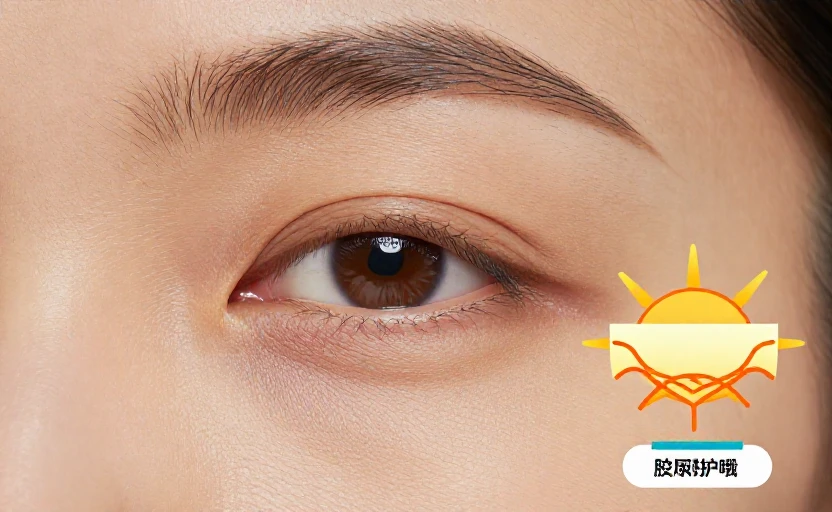
Intrinsic aging is the genetic, biological clock ticking away. As we age, our skin naturally produces less collagen and elastin—the proteins that provide structure and snap. Cell turnover slows, and the skin's natural hydrating factors diminish. This leads to thinner, drier skin that's more prone to showing fine lines, especially in areas of repetitive movement like around the eyes and mouth.
Extrinsic aging, however, is caused by external factors and is largely within our control. Sun exposure is the single greatest contributor. Ultraviolet (UV) radiation breaks down collagen and elastin fibers and generates free radicals that damage skin cells. Other major factors include pollution, smoking, repetitive facial expressions, and even chronic stress. The lines from extrinsic aging often appear earlier and more prominently than those from genetics alone.
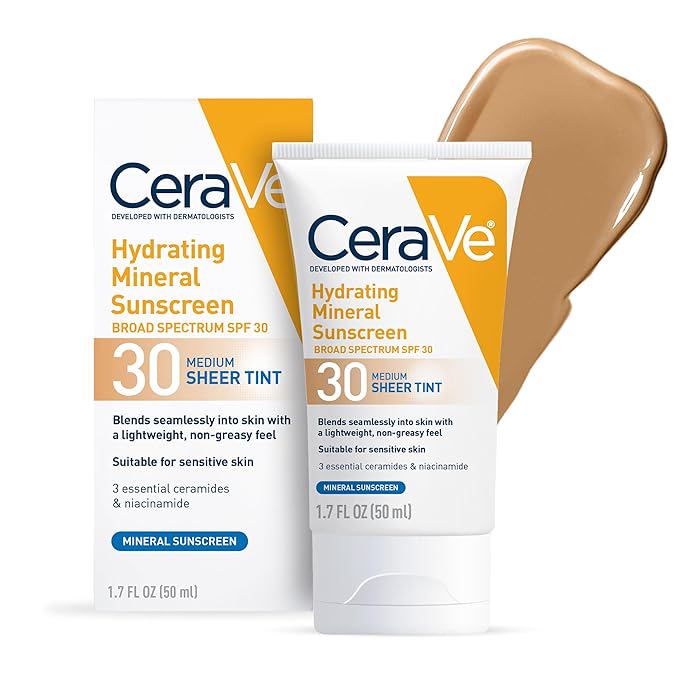
The most powerful anti-aging product in your arsenal isn't a serum—it's your sunscreen. Daily use is non-negotiable.
The Daily Foundation: Sun Protection and Antioxidants
Dermatologists agree: prevention is the cornerstone of managing fine lines. This starts, unequivocally, with broad-spectrum sunscreen. Applying a product with SPF 30 or higher every single day, rain or shine, protects existing collagen and prevents new UV damage. Think of it as the bedrock of any anti-aging strategy; without it, other efforts are significantly undermined.
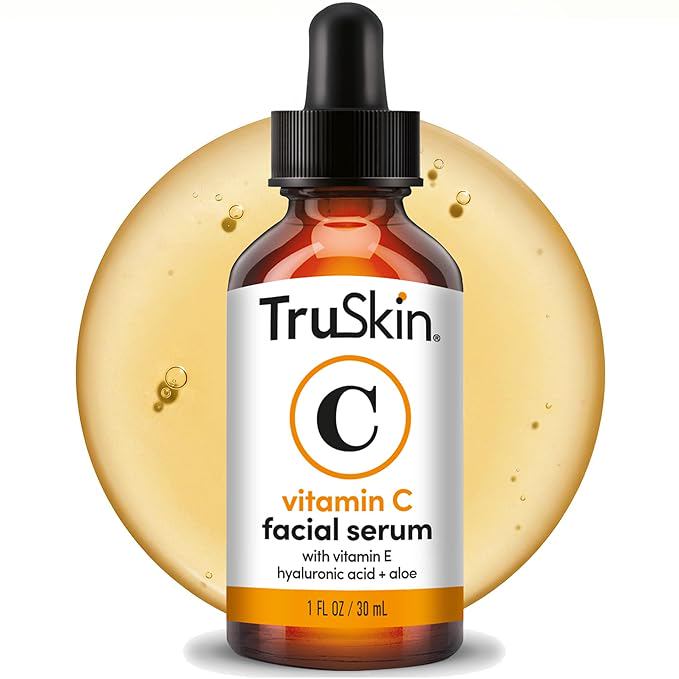
Pairing sunscreen with topical antioxidants creates a powerful defensive duo. Antioxidants like vitamin C, vitamin E, niacinamide, and ferulic acid neutralize free radicals from UV rays and pollution before they can harm the skin. Vitamin C, in particular, is a superstar—it not only defends but also helps brighten skin and supports collagen production. Applying a vitamin C serum in the morning under your sunscreen is a gold-standard practice.
Topical Treatments with Proven Track Records
When it comes to ingredients you apply at home, a few have decades of research supporting their efficacy for fine lines.
Retinoids (including retinol, retinaldehyde, and prescription retinoids like tretinoin) are considered the most evidence-based topical treatment. They work by accelerating cell turnover, stimulating collagen production, and improving skin texture. Consistency is key with retinoids; results build over months, not days. Start slowly to allow your skin to adjust, and always use them at night, followed by a moisturizer.
Peptides are short chains of amino acids that act as messengers, signaling the skin to produce more collagen. While not as potent as retinoids, they are excellent supporting players and are often well-tolerated by those with sensitive skin.
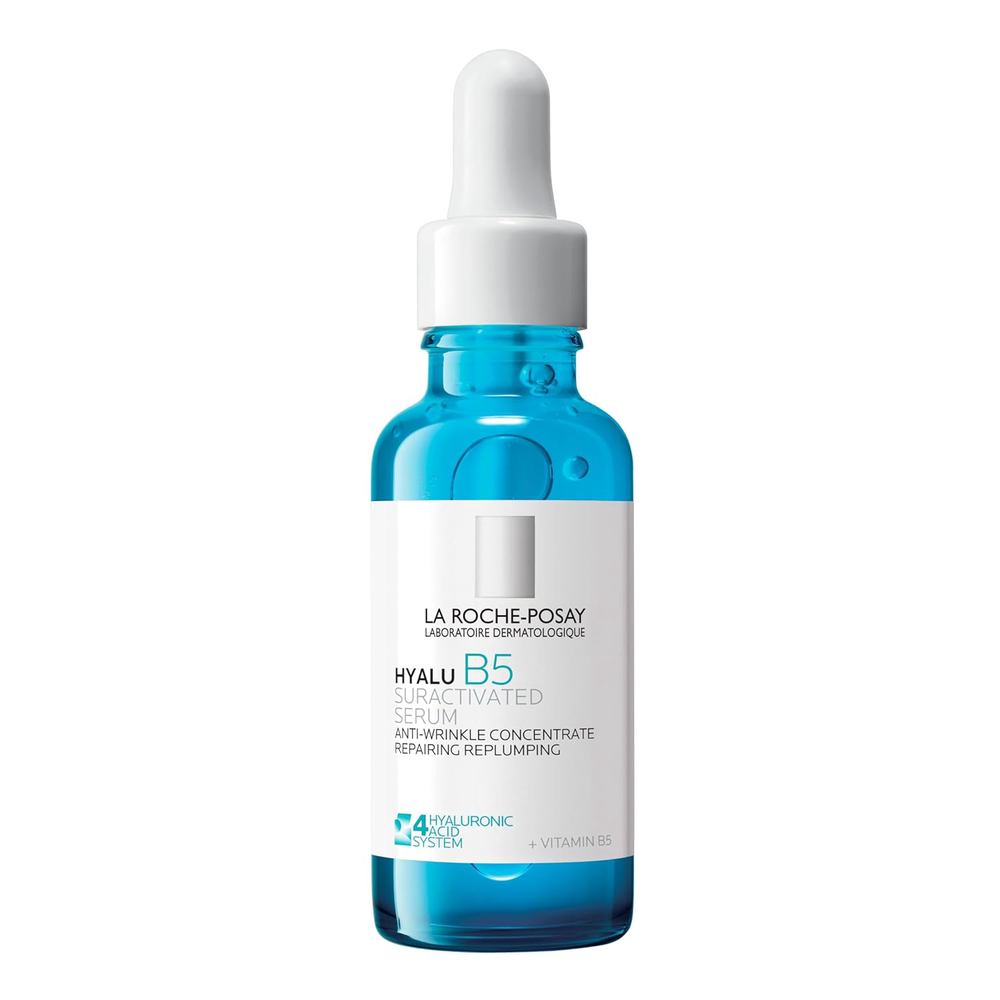
Alpha Hydroxy Acids (AHAs) like glycolic and lactic acid work as chemical exfoliants. By gently dissolving the "glue" that holds dead skin cells on the surface, they reveal fresher, smoother skin underneath and can help diminish the appearance of very superficial lines. They also improve skin's ability to retain moisture.
A simple, sustainable routine might look like this: cleanse, apply a vitamin C serum in the morning followed by moisturizer and sunscreen. In the evening, cleanse, apply a retinoid or peptide serum a few nights a week, and always finish with a moisturizer.
In-Office Procedures for More Pronounced Results
For those seeking more significant improvement, dermatologists offer a range of in-office procedures. These treatments typically offer more dramatic and faster results than topicals alone, as they work deeper within the skin's structure.
Neuromodulators (like Botox) are highly effective for dynamic lines—those caused by muscle movement, such as frown lines or crow's feet. They work by temporarily relaxing the underlying muscles, which softens existing lines and prevents them from deepening. The results are not permanent, typically lasting three to four months.
Laser and Light Therapies come in many forms. Non-ablative fractional lasers (like Fraxel) create microscopic treatment zones in the skin, triggering a healing response that boosts collagen without damaging the surface. Intense Pulsed Light (IPL) targets pigmentation and redness that can make lines more noticeable, creating a more even-toned, youthful appearance.
Chemical Peels administered by a professional use higher concentrations of acids (like glycolic or trichloroacetic acid) to deeply exfoliate. This can improve skin texture, tone, and the visibility of fine lines. The depth of the peel determines the downtime and results.
Microneedling involves using fine needles to create controlled micro-injuries, which stimulates the skin's natural collagen production. It can be combined with topical serums (like hyaluronic acid or growth factors) for enhanced absorption. Radiofrequency microneedling adds heat to further tighten skin.
The Supporting Cast: Lifestyle and Hydration
What you do outside your skincare routine matters immensely. Skin is an organ, and its health reflects your overall well-being.
- Hydration: Drinking adequate water supports skin plumpness. Topically, humectants like hyaluronic acid and glycerin attract water to the skin's surface, temporarily filling out fine lines.
- Diet: A diet rich in antioxidants (found in colorful fruits and vegetables), healthy fats (like those in avocados and fatty fish), and lean protein provides the building blocks for healthy skin.
- Sleep and Stress: Poor sleep and high cortisol levels from chronic stress can accelerate collagen breakdown and impair skin repair. Prioritizing sleep and finding stress-management techniques (like meditation or walking) have tangible benefits for your skin.
- Smoking Cessation: Smoking drastically reduces skin blood flow and degrades collagen, leading to premature and more severe wrinkling.
Managing fine lines is a marathon, not a sprint. The most effective plan is a holistic one—combining diligent daily protection, targeted actives, professional guidance for bigger steps, and supportive lifestyle choices. By adopting these evidence-based strategies, you're not just addressing lines; you're investing in the long-term health and vitality of your skin.