
Fine lines are often the first visible sign of skin aging, appearing subtly around the eyes, mouth, and forehead. While they’re a natural part of life, their early arrival or deepening can feel like a timeline we’re not ready for. The good news is that dermatology has moved far beyond reactive treatments, focusing instead on proactive, evidence-based strategies that can significantly delay their appearance. The core philosophy is simple: protect and support your skin’s inherent structure. Here, we distill the three foundational pillars that dermatologists consistently emphasize for anyone looking to preserve a smooth, resilient complexion.
1. Sun Protection Is Non-Negotiable
If you take away only one piece of advice, let it be this. Sun exposure is the single greatest accelerator of fine lines, responsible for up to 90% of visible skin aging—a process called photoaging. It’s not just about sunburns. Daily, cumulative exposure to UVA and UVB rays breaks down collagen and elastin, the proteins that keep skin firm and springy. It also damages the skin cells' DNA and generates free radicals, leading to a loss of density and the formation of those tiny creases.
Effective sun protection is a daily habit, rain or shine, indoors or out. UVA rays penetrate glass and clouds, relentlessly contributing to collagen degradation.
Think of sunscreen as your most potent anti-aging serum. It’s the foundation everything else is built upon.
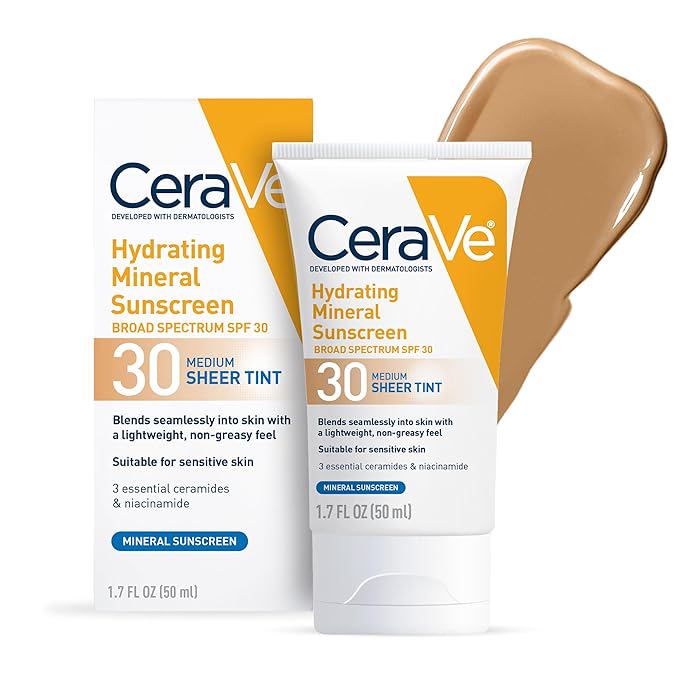
Look for a broad-spectrum formula with an SPF of 30 or higher. Mineral options with zinc oxide or titanium dioxide offer gentle, stable protection. The key is generous and consistent application—about a shot glass worth for the body and a nickel-sized dollop for the face—reapplied every two hours during direct exposure.
2. Consistently Use Proven Topical Actives
While sunscreen prevents new damage, targeted ingredients work to repair existing subclinical damage and boost skin’s resilience. Dermatologists point to a shortlist of heroes with decades of clinical research behind them.
Retinoids
This vitamin A derivative remains the gold standard. Prescription-strength retinoids and their over-the-counter cousin, retinol, work by speeding up cell turnover and stimulating deep collagen production. They effectively smooth existing fine lines and prevent new ones from forming by keeping the skin’s renewal process robust.
Vitamin C
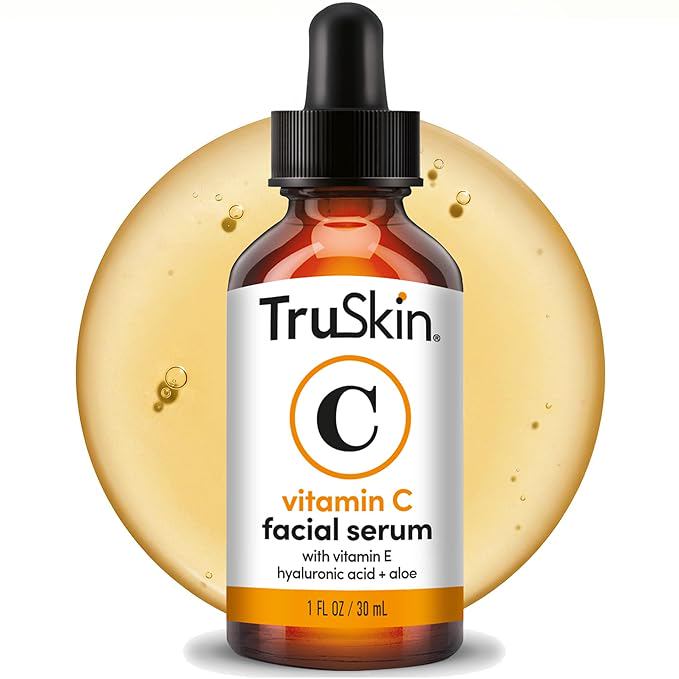
A powerful antioxidant, vitamin C is sunscreen’s perfect partner. It neutralizes free radicals generated by UV exposure and pollution before they can harm collagen. It also brightens skin and helps even out tone, contributing to a more youthful appearance. For stability and efficacy, look for L-ascorbic acid in opaque, airtight packaging.
Niacinamide
This form of vitamin B3 is a multitasker. It strengthens the skin barrier, improves elasticity, reduces redness, and helps minimize the appearance of pores. By bolstering the skin’s own defense systems, it makes your complexion better able to withstand daily environmental stressors.
Introduce these actives slowly, especially retinoids, to allow your skin to adjust. Using them alongside a diligent sunscreen routine creates a powerful defensive and reparative synergy.
3. Support Skin Health from the Inside Out
The skin is your body’s largest organ, and its appearance is deeply influenced by your overall health. No cream can fully compensate for internal stressors. Dermatologists highlight lifestyle factors that directly impact collagen integrity and skin hydration.
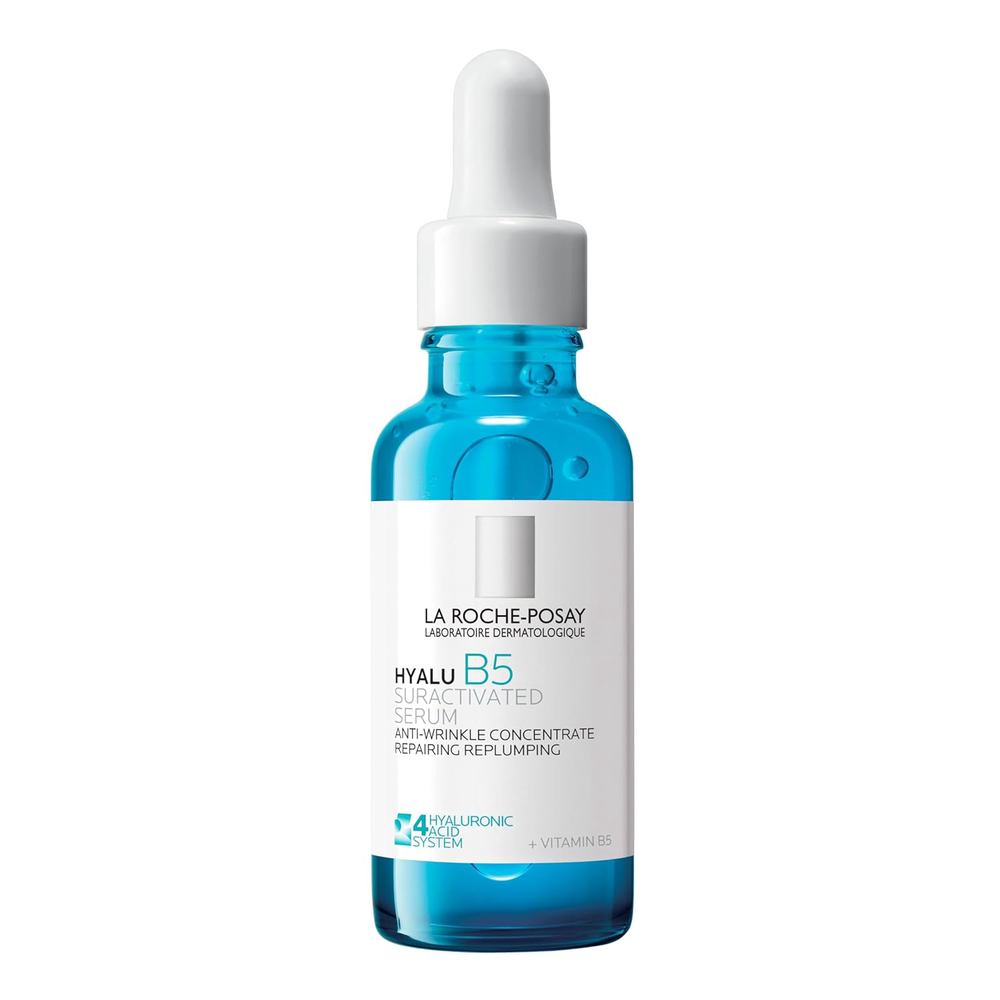
Hydration: Well-hydrated skin appears plumper, making fine lines less noticeable. Drinking water is essential, but so is using topical humectants like hyaluronic acid or glycerin, which draw moisture into the skin’s surface.
Diet: A diet rich in antioxidants fights systemic inflammation and free radical damage. Focus on colorful fruits and vegetables, healthy fats from nuts and avocados, and lean proteins that provide the amino acids needed for collagen synthesis.
Sleep and Stress: During deep sleep, your body enters repair mode, increasing blood flow to the skin and collagen production. Chronic stress elevates cortisol, which can break down collagen and impair the skin’s ability to heal. Prioritizing sleep and managing stress through mindfulness or gentle movement are indirect but critical anti-aging strategies.
Avoid Smoking and Limit Alcohol: Smoking drastically reduces blood flow to the skin, depleting it of oxygen and nutrients, while the repetitive facial motions contribute to lines. Alcohol is dehydrating and can trigger inflammation, undermining skin quality.
These three pillars—protection, proven ingredients, and holistic support—are not quick fixes but lifelong practices. They represent a shift from chasing corrections to cultivating lasting skin health. By building these dermatologist-backed habits, you empower your skin’s natural vitality, keeping it smoother and more resilient for years to come.