If you’re looking for a way to soften the appearance of fine lines and wrinkles, you’re met with a dizzying array of options. From over-the-counter serums to in-office procedures, the choices can feel overwhelming, and the marketing claims can be difficult to trust. To cut through the noise, we turned to the evidence dermatologists rely on. This isn't about chasing perfection, but about understanding which approaches have solid science behind them for supporting skin texture and resilience.
The most effective strategy often involves a combination of consistent daily care and targeted professional treatments. Think of it as a spectrum, with foundational prevention on one end and more intensive correction on the other. Where you focus your energy and resources depends entirely on your skin's current needs, your goals, and what feels sustainable for you.
What actually causes wrinkles?
Before ranking treatments, it helps to understand what we're addressing. Wrinkles form from a combination of intrinsic and extrinsic factors. Intrinsic aging is the natural, genetic decline in collagen and elastin production, along with slower skin cell turnover, that happens over time. Extrinsic aging is caused by external aggressors, with ultraviolet (UV) radiation from the sun being the single most significant contributor—a process called photoaging.
Other extrinsic factors include pollution, smoking, and repetitive facial movements. The lines you see are essentially the result of skin structure breaking down. Collagen fibers weaken, elastin that allows skin to snap back becomes damaged, and the underlying fat pads diminish. Effective treatments work by either protecting the existing structure, stimulating the skin to rebuild it, or physically smoothing its surface.
The undisputed foundation: Sun protection
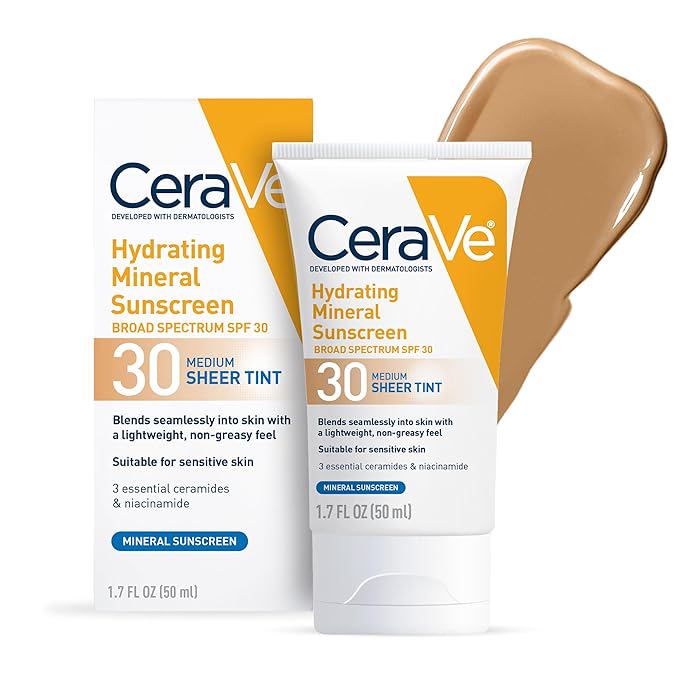
If we ranked treatments by their ability to prevent wrinkles, broad-spectrum sunscreen would be in a tier of its own. Dermatologists unanimously agree: daily sun protection is the most impactful, evidence-based anti-aging step you can take. UV rays relentlessly break down collagen and elastin. Using a sunscreen with SPF 30 or higher every single day, rain or shine, is non-negotiable for preserving skin health and preventing new damage.
Think of sunscreen not as a seasonal product, but as your morning moisturizer—a fundamental part of your routine.
Topical treatments: The at-home workhorses
When it comes to products you can use daily, a few ingredients have decades of research demonstrating their benefits for fine lines and texture.
Retinoids (Vitamin A derivatives)
This category is the gold standard in topical wrinkle treatment. Prescription-strength retinoids like tretinoin have the most robust evidence for stimulating collagen production, accelerating cell turnover, and improving the appearance of fine lines and photoaging. Over-the-counter retinol is a gentler precursor that converts to retinoic acid in the skin; it's effective but requires more consistent, long-term use to see results. The key is patience and starting slowly to allow your skin to adjust.
Vitamin C (L-ascorbic acid)
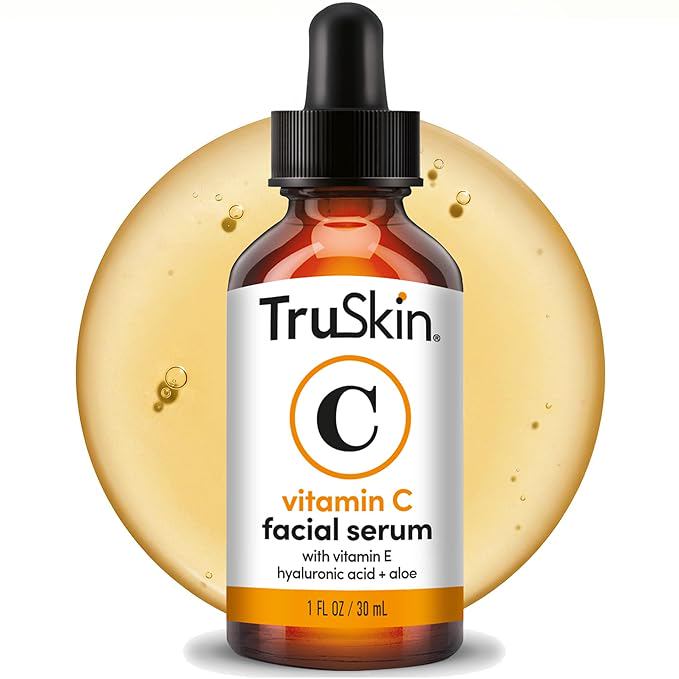
A potent antioxidant, vitamin C helps defend skin from free radical damage caused by UV and pollution. It also plays a crucial role in collagen synthesis. When used consistently, a stable, well-formulated vitamin C serum can help brighten skin, improve texture, and support the skin's natural repair processes, making it a powerful partner to sunscreen and retinoids.
Other supportive actives
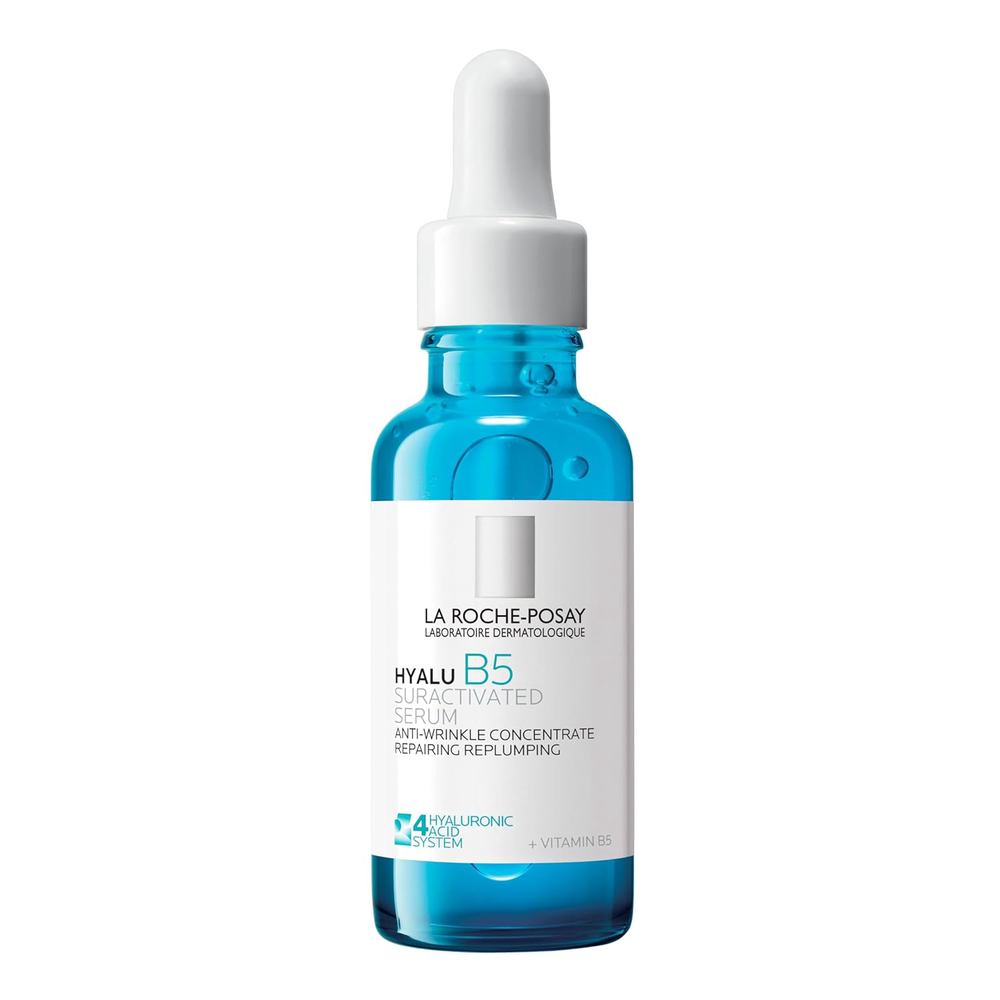
Ingredients like niacinamide (Vitamin B3) help improve skin elasticity and barrier function, while peptides are short chains of amino acids that may signal the skin to produce more collagen. Alpha hydroxy acids (AHAs) like glycolic acid work on the surface, exfoliating to reveal smoother skin and can enhance the penetration of other products. These are excellent supporting players in a well-rounded routine.
In-office procedures: Targeted correction
For more pronounced wrinkles or faster results, dermatologists offer treatments that work deeper within the skin's structure. These are typically ranked by their level of intensity, downtime, and longevity of results.
Category leader: Laser and energy-based treatments
Fractional lasers (like Fraxel) and radiofrequency devices (like Thermage) are highly effective for addressing moderate to severe wrinkles and overall skin laxity. They work by creating controlled micro-injuries in the skin, triggering a powerful wound-healing response that results in significant new collagen formation. The evidence for their efficacy is strong, but they come with a higher cost and require recovery time. Results are gradual and can last for years with proper maintenance.
Injectable neuromodulators (e.g., Botox)
These treatments are specifically for dynamic wrinkles—the lines caused by repetitive muscle movements, like frown lines between the eyebrows or crow's feet. They work by temporarily relaxing the underlying muscles, which smooths the overlying skin and prevents the wrinkles from deepening. The results are highly predictable and appear within days, but they are temporary, typically lasting 3-4 months.
Soft tissue fillers (e.g., hyaluronic acid fillers)
Fillers are designed to treat static wrinkles—lines that are present even when your face is at rest, often due to volume loss. By replenishing volume in specific areas (like nasolabial folds or marionette lines), they can smooth folds and restore contour. Hyaluronic acid fillers are popular because they are reversible and integrate naturally with the skin's tissues. Results are immediate but not permanent, lasting from 6 to 18 months depending on the product and area treated.
Chemical peels and microneedling
Medium-depth chemical peels use acids to remove damaged outer layers, promoting regeneration and improving skin texture and fine lines. Microneedling uses fine needles to create micro-channels, stimulating collagen with minimal downtime. Both are considered effective for mild to moderate photoaging and work well in a series. They sit in the middle of the intensity spectrum, offering noticeable improvement with less downtime than lasers.
Building your personal approach
There is no single "best" treatment for everyone. A dermatologist's recommendation is based on your skin type, the depth and type of your wrinkles, your budget, and your tolerance for downtime. A common evidence-based strategy is a layered approach:
- Foundation: Daily sunscreen and a retinoid or retinol serum.
- Enhancement: Adding supportive antioxidants like vitamin C.
- Targeted Correction: Incorporating periodic in-office procedures like neuromodulators for movement lines or a laser treatment for overall texture and collagen boost.
The most sustainable plan is one that starts with prevention and consistent care, then selectively uses professional treatments for specific concerns. A consultation with a board-certified dermatologist is the best way to get a ranking tailored specifically to you, based on the evidence and their clinical expertise.