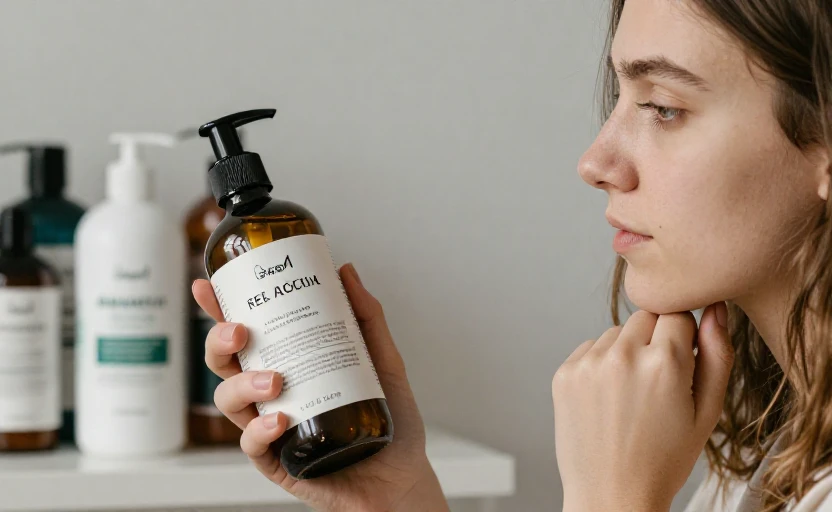
An itchy scalp can be a relentless distraction, turning a simple day into a cycle of discomfort and self-consciousness. While it's easy to blame dandruff or stress and move on, the real culprit is often much closer to home—in the products you use every day. From shampoos and conditioners to styling gels and hair dyes, the very formulas designed to care for your hair can sometimes trigger irritation. Learning to identify these product triggers is the first, most powerful step toward lasting relief.
Dermatologists emphasize that an itchy scalp is a sign your skin barrier is communicating distress. Pinpointing the source requires a methodical, patient approach, but it’s a skill anyone can learn. By understanding common irritants, learning how to read ingredient labels, and adopting a strategic process of elimination, you can transform your scalp health from the outside in.
Why do hair and scalp products cause itching?
Your scalp is skin, and like the skin on your face or body, it can react to ingredients it finds irritating or allergenic. Two main types of reactions are at play. The first is irritant contact dermatitis, a direct inflammatory response to a harsh substance that disrupts the skin's protective barrier. Think of it like a minor chemical burn. The second is allergic contact dermatitis, which involves your immune system. Here, your body mistakenly identifies a specific ingredient as a threat, launching an allergic response that can cause intense itching, redness, and even swelling.
The most common culprits aren't always the active ingredients you buy the product for, but the preservatives, fragrances, and surfactants that form the base of the formula.
Common trigger ingredients to look for
While any ingredient can potentially cause a reaction, dermatologists see certain categories appear again and again in cases of product-induced scalp itch. Becoming familiar with these names is your first line of defense.
Fragrances and essential oils: Listed simply as “fragrance” or “parfum,” these complex blends are the leading cause of allergic contact dermatitis from cosmetics. Even natural essential oils like tea tree, peppermint, or citrus oils can be potent irritants for sensitive scalps.
Preservatives: These necessary ingredients prevent bacterial and fungal growth in water-based products. Common ones include methylisothiazolinone (MI), methylchloroisothiazolinone (MCI), and formaldehyde-releasers like DMDM hydantoin or quaternium-15.
Surfactants: These are the cleansing agents that create lather. While effective, some, like sodium lauryl sulfate (SLS), can be overly stripping for some individuals, leading to dryness, barrier disruption, and itch.
Propylene glycol: A humectant and penetration enhancer found in many hair and skin products, it can be an irritant for some.
Certain hair dye chemicals: Ingredients like p-phenylenediamine (PPD), ammonia, and resorcinol are frequent triggers for reactions to permanent and semi-permanent hair colors.
The dermatologist-backed process for identification
Finding your trigger is a detective game that requires patience and a systematic approach. Rushing or changing multiple variables at once will only cloud the results.
1. Start with a product inventory
Gather every product that touches your scalp: shampoo, conditioner, treatment masks, scalp serums, leave-in conditioners, styling mousses, gels, sprays, and dry shampoo. Don’t forget hair dyes or chemical relaxers used recently. This gives you the full picture of what your scalp is exposed to.
2. Implement a strategic elimination trial
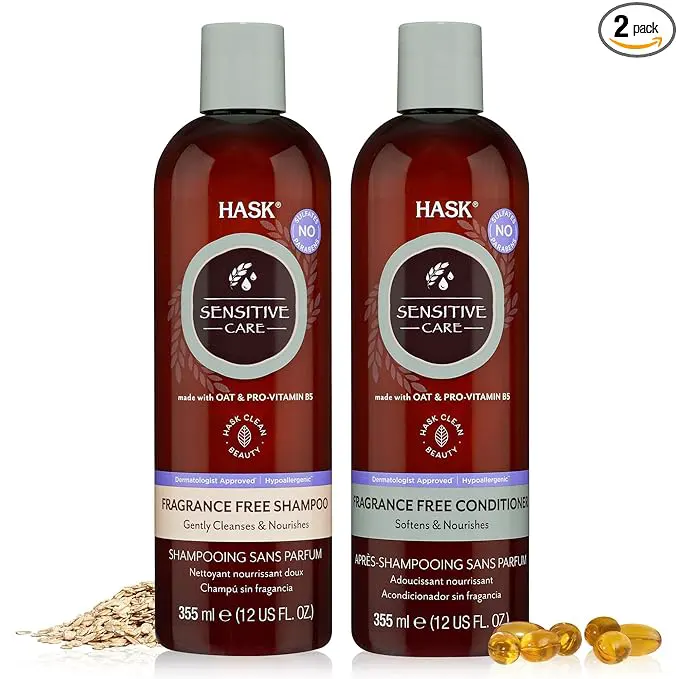
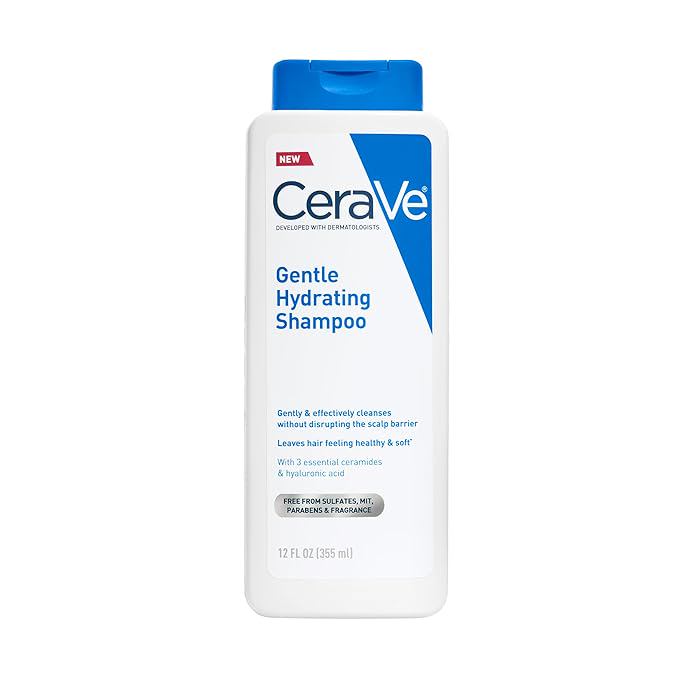
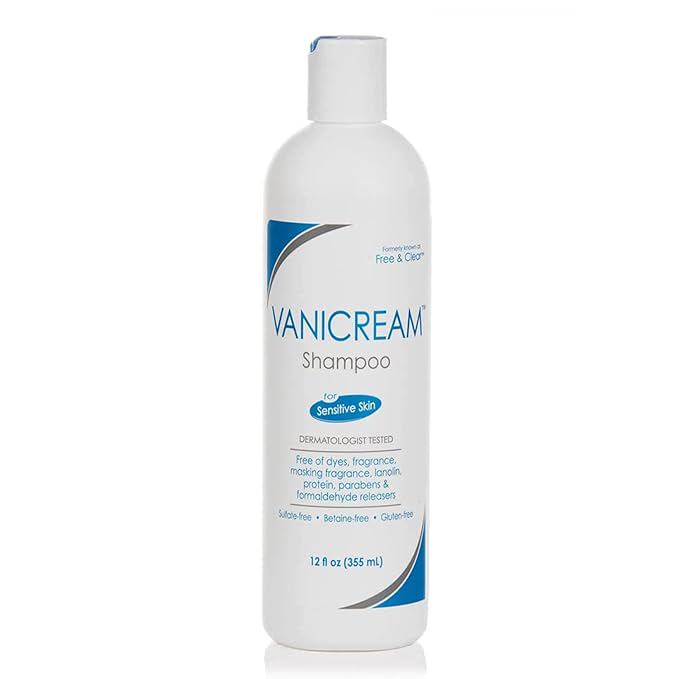
This is the core of the process. For a minimum of two to four weeks, switch to a “bare bones” baseline routine. This means using only a single, very gentle, fragrance-free shampoo and conditioner. Look for formulas labeled for sensitive skin, often free of sulfates, dyes, and heavy fragrances. The goal is to give your scalp a complete break from potential aggressors.
During this trial, stop all other products. No styling gels, serums, dry shampoo, or treatments. If your itch significantly improves or resolves, you have strong evidence that a product in your old routine was the trigger.
3. Reintroduce products one at a time
Once your scalp is calm, begin reintroducing your old products—but only one every five to seven days. Use the product as you normally would for two to three applications during that week. Monitor your scalp closely for any return of itching, flaking, or redness.
If a product causes a reaction, note it and immediately return to your baseline routine until the itch subsides before testing the next item.
This slow, single-variable method will clearly identify the offending product. When you find it, examine its ingredient list against the common triggers listed above. This helps you learn your specific sensitivities, making you a more informed shopper in the future.
When to seek professional guidance
While this self-guided process is effective for many, consult a dermatologist if:
- The itching is severe, accompanied by open sores, significant swelling, or hair loss.
- Your symptoms do not improve even with a strict, simplified routine.
- You suspect a hair dye allergy, especially if there is swelling on the face or neck.
- You want definitive testing. A dermatologist can perform patch testing, where small amounts of common allergens are applied to your back to identify precise chemical sensitivities.
An itchy scalp doesn't have to be a life sentence. By moving from guesswork to a structured, evidence-based investigation of your products, you empower yourself with knowledge. It turns an overwhelming problem into a manageable process, paving the way for a calmer, healthier scalp and the simple comfort of leaving an itch behind.