Vegetarian dinners should feel like a celebration, not a chore. Yet, many of us fall into predictable patterns that leave meals feeling repetitive, nutritionally unbalanced, or simply uninspired. It’s not about a lack of options, but rather a few common missteps that can turn a vibrant, plant-based plate into a monotonous routine. Recognizing these pitfalls is the first step toward dinners that are both deeply satisfying and nourishing.
Relying on the Same Protein Source Every Night
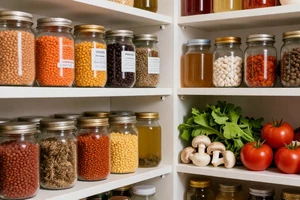
It’s easy to default to the same trusted lentils or chickpeas night after night. While these are fantastic staples, your body—and your taste buds—thrive on variety. Different plant proteins offer unique amino acid profiles and micronutrients. Sticking to just one or two sources can lead to nutritional gaps over time and, frankly, culinary boredom.
Think of plant proteins as a diverse team, each member bringing a different strength to your plate.
Instead of just dal, explore the wider world. Incorporate tofu, tempeh, edamame, a variety of beans (black, kidney, pinto), whole grains like quinoa and farro, nuts, seeds, and even protein-rich vegetables like peas and spinach. A weekly meal plan that rotates through these options ensures a broader spectrum of nutrients and keeps dinner exciting.
Skipping the Flavor Foundation
A plate of steamed vegetables and plain grains is the stereotype of a bland vegetarian meal for a reason. Without the savory depth often provided by meat stocks or fats, plant-based cooking requires a deliberate build of flavor. Neglecting this step is a sure path to disappointment.
The fix lies in building layers. Start by sautéing aromatics like onions, garlic, ginger, or leeks until fragrant. Don’t shy away from umami powerhouses: tomato paste, soy sauce, miso paste, nutritional yeast, or dried mushrooms can add a profound savory quality. Toasting spices in oil before adding other ingredients unlocks their full potential. Fresh herbs added at the end provide a bright, finishing note. This approach transforms ingredients from simple to complex.
Forgetting About Texture
Nutrition is about more than vitamins and protein; it’s also about sensory satisfaction. A meal that’s uniformly soft or mushy can feel underwhelming, no matter how healthy it is. Texture creates interest and makes eating more enjoyable.
Aim for a contrast of textures in every meal. Add crunch with toasted nuts or seeds, a sprinkle of breadcrumbs, or raw, shredded vegetables. Creaminess can come from a dollop of yogurt, avocado, or a tahini sauce. Chewy elements like baked tofu, roasted mushrooms, or whole grains provide substance. When you compose a bite that has multiple textures, the meal becomes far more engaging and fulfilling.
Not Making It a Complete Meal
A common stumble is serving a dish that feels more like a side than a main event. A vegetarian dinner plate should feel satiating and complete, which often means consciously combining key elements.
A simple framework to follow is to include a source of plant protein, a complex carbohydrate, healthy fats, and a generous portion of vegetables. For example, a stir-fry isn’t just tofu and broccoli; serve it over brown rice (carb) and drizzle with sesame oil (fat). A hearty lentil soup is more complete with a slice of whole-grain bread for dipping. This combination supports stable energy levels and keeps you feeling full and satisfied.
Underestimating the Power of Batch Prep
The "what's for dinner?" panic often leads to the same quick, easy choices. The solution isn’t more last-minute recipes, but smarter preparation. Spending a little time on the weekend can set you up for effortless success all week.
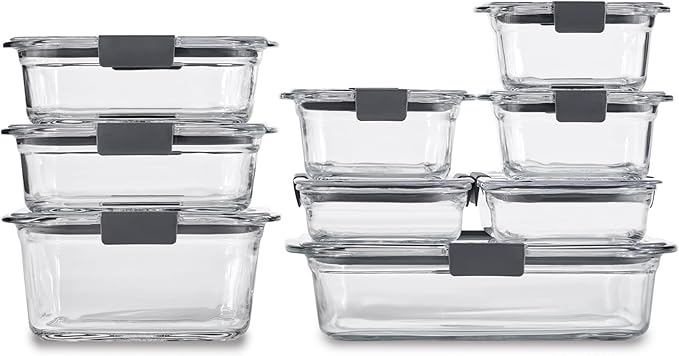
Focus on preparing components, not necessarily entire meals. Cook a big pot of quinoa or barley, roast two sheet pans of mixed vegetables, prepare a versatile bean or lentil salad, and make a sauce or dressing that can be used in multiple ways. Stored separately in the fridge, these components can be mixed and matched into grain bowls, wraps, salads, or quick sautés in minutes, giving you variety without nightly cooking marathons.
Let’s Apply This: A Better Dinner Example
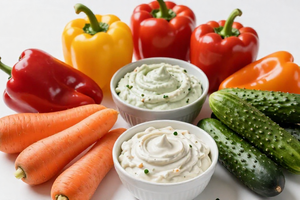
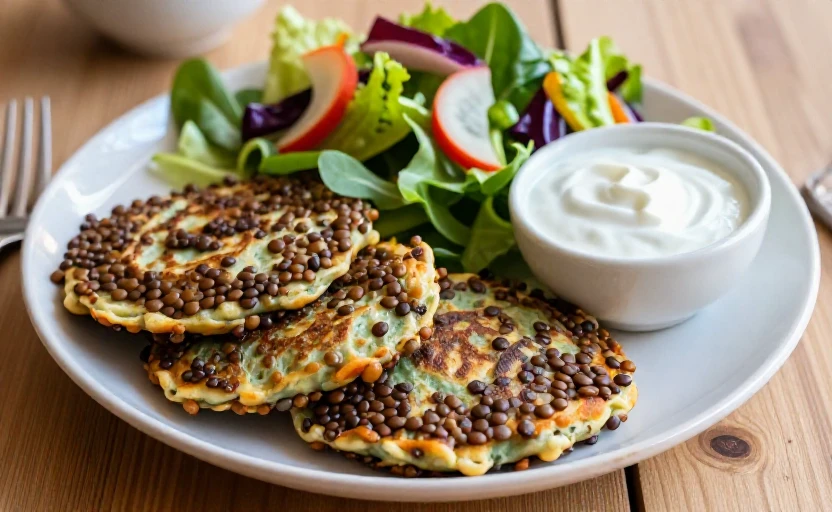
Consider the moong dal chilla from the source—a spiced lentil pancake. It’s a great start, but using our framework, we can build it into a more complete and varied meal. The chilla provides protein (from the dal and flax seeds) and flavor (from aromatics and spices). To round it out, serve it with a side salad of mixed greens and shredded carrots for fresh vegetables and crunch, and a small bowl of cucumber raita for healthy fats (from yogurt) and creaminess. This turns a single item into a balanced plate with diverse textures and nutrients.
The goal is to move away from seeing vegetarian dinner as a single, often repetitive, dish. By embracing variety in protein, building flavor with intention, prioritizing texture, ensuring nutritional completeness, and prepping smartly, you can transform your evening meal into the most anticipated part of your day.