Frizz is the uninvited guest that shows up on curly hair, turning defined ringlets into a fuzzy halo. It’s not a sign of bad hair, but often a signal that your routine needs a gentle adjustment. The journey to calm, defined curls is less about fighting your texture and more about understanding what it’s asking for—usually more moisture, less disruption, and a bit of strategic care.
Let’s walk through the common habits that can lead to frizz and how to shift them into practices that support your curls.
Using the Wrong Cleanser
Curly hair is naturally drier because the spiral shape makes it harder for natural oils to travel from the scalp down the hair shaft. Using a shampoo that strips away all oil can leave curls parched and desperate for moisture, which they then pull from the humid air—leading directly to frizz.
Look for sulfate-free shampoos or gentle cleansing conditioners. These clean your scalp without creating that "squeaky-clean" feeling that signifies stripped hair. Your goal is a clean base that still feels soft and supple, not tight and dry.
A sulfate-free shampoo cleanses gently, helping your curls retain their essential moisture.
Skipping or Rushing Conditioning
Conditioner is non-negotiable for curly hair. It’s the primary source of hydration and slip, which helps detangle without causing breakage that leads to frizz. Applying it only to your ends or rinsing it out too quickly misses the point.
Apply a generous amount of conditioner from mid-lengths to ends, using your fingers or a wide-tooth comb to distribute it evenly. Let it sit for a few minutes—this is when the hydration happens. For a deeper treatment, use a moisturizing hair mask once a week.
Rough Drying Techniques
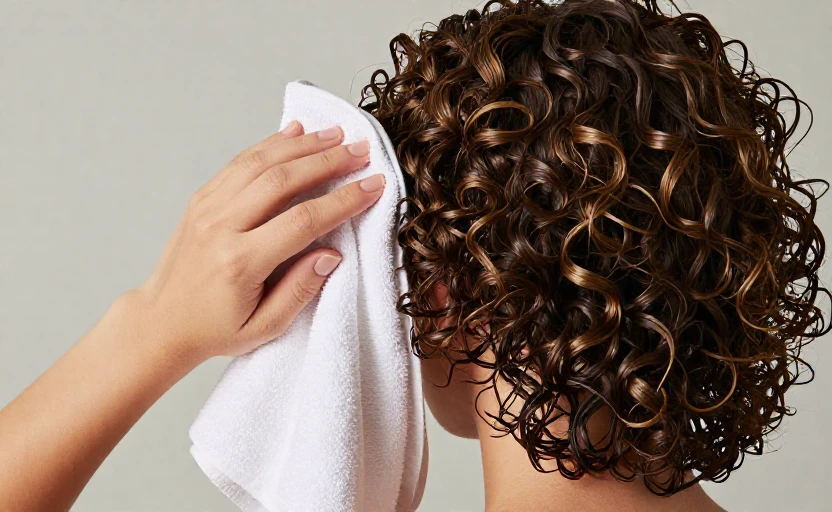
Rubbing your hair vigorously with a regular bath towel is one of the fastest ways to create frizz. The rough texture of terry cloth lifts the hair cuticle and creates friction, disrupting your curl pattern.
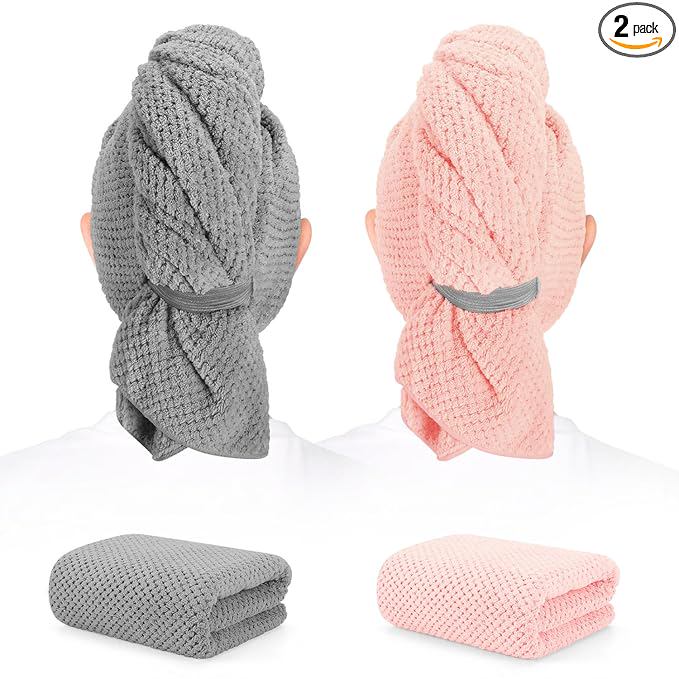
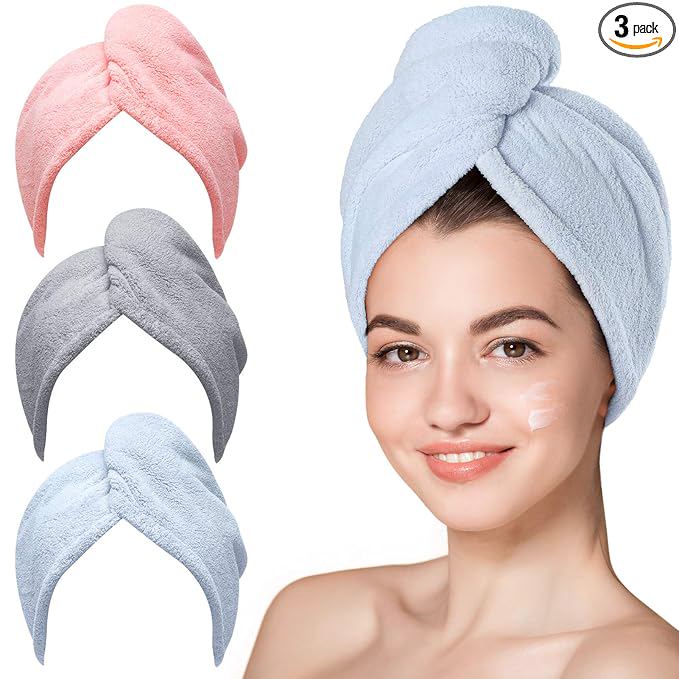
Instead, gently squeeze out excess water with your hands. Then, use a soft microfiber towel or an old cotton t-shirt to blot and scrunch your hair. These smoother fabrics absorb water without roughing up the cuticle.
Brushing Dry Hair
Running a brush or fine-tooth comb through dry curls separates the hair shafts, destroys your clumped curl pattern, and invites a fluffy, undefined look. Curls are meant to be styled and detangled while wet and saturated with conditioner.
Detangle only in the shower with a wide-tooth comb or your fingers when your hair is slick with conditioner. Once you’ve styled it and it begins to dry, avoid combing until your next wash.
Using Harsh Styling Products
Products with high alcohol content or heavy, waxy ingredients can dry out your hair or create a brittle cast. This can make curls look crunchy at first, then frizzy as the day goes on as the product breaks down or draws moisture from the hair.
Opt for alcohol-free gels, mousses, and creams formulated for curly hair. Look for hydrating ingredients like glycerin (in moderate humidity), aloe vera, or natural oils. Apply them to soaking wet hair to help seal in that water.
Style on soaking wet hair. Water is your best styling tool for clumping curls together and minimizing frizz from the start.
Overhandling During Drying
Constantly touching, scrunching, or fluffing your hair while it air-dries disrupts the formation of your curl cast and can lead to frizz. Similarly, blasting wet curls with high, direct heat from a hairdryer without a diffuser scatters the hair cuticles.
Apply your products, gently scrunch to encourage curl formation, and then try to leave it alone. If you use a hairdryer, always attach a diffuser. It disperses the airflow, drying your curls without blowing them apart. Use a low heat setting and hold the diffuser still, cupping sections of hair, rather than moving it around constantly.
Neglecting Nighttime Protection
Sleeping on a cotton pillowcase creates friction that roughens the hair cuticle overnight. Tossing and turning can also mat and flatten your curls, leading to frizz and distortion by morning.
Protect your style by loosely gathering your hair at the crown of your head in a loose pineapple ponytail with a silk scrunchie. Better yet, invest in a silk or satin pillowcase. The smooth surface drastically reduces friction, helping you wake up with more intact curls.
Forgetting Regular Trims
Split ends don’t just stop at the tip. They can travel up the hair shaft, causing breakage and making the ends of your hair look frayed and frizzy. No amount of product can seal a split end back together.
Getting a trim every three to four months removes this damaged hair, preventing further breakage and keeping your ends looking smooth and healthy. This is essential for maintaining the overall shape and definition of your curls.
Managing frizz is a practice in listening to your hair. It’s about providing consistent moisture, minimizing physical disruption, and protecting your curls from environmental stressors. When you adjust these common habits, you’re not eliminating frizz entirely—you’re creating an environment where your natural curl pattern can thrive with more definition and less frustration.