
You’ve noticed it in the mirror: that subtle shift where skin doesn’t bounce back the way it used to. The jawline softens, the cheeks feel less plump, and that persistent crepey texture near the elbows or knees becomes harder to ignore. It’s natural to wonder whether a change in what’s on your plate can really pull things back into place. As a health editor who has combed through the research and talked with dermatologists, I can tell you: diet plays a supporting role, but the story is more nuanced than any single “firming” superfood.
The honest answer is that food alone will not erase years of collagen loss or tighten loose skin from major weight loss. However, strategic nutrition does create the internal environment your body needs to produce structural proteins, fight inflammation, and protect existing elasticity. The results are subtle, supportive, and cumulative—not dramatic or instant. Let’s break down what the evidence actually shows about diet and skin firmness, and where you should set your expectations.
Why skin loses firmness in the first place
Firm skin relies on a dense, organized network of collagen, elastin, and hyaluronic acid. By your mid-20s, collagen production naturally drops about 1% each year. Menopause accelerates the decline, with some studies noting a 30% reduction in skin collagen during the first five years after menopause. Add in sun exposure, sugar-driven glycation (where glucose molecules damage collagen fibers), and the loss of subcutaneous fat, and you have a recipe for sagging.
This biological reality matters because it frames what diet can and cannot do. No amount of bone broth or vitamin C will reverse the intrinsic aging clock entirely. But providing the raw materials and protecting existing structures is exactly where nutrition shines.
The nutrients that matter most for skin structure
Instead of chasing a single ingredient, think of skin firmness as a project that requires several building blocks. The research points to a short list of nutrients that appear most consistently in studies on skin elasticity and appearance.
Protein and amino acids for collagen synthesis
Your body manufactures collagen from amino acids—primarily glycine, proline, and hydroxyproline. These are not rare; your body can produce some on its own, but dietary protein provides the essential substrate. A review in Nutrients (2019) found that hydrolyzed collagen peptides, taken consistently for 8–12 weeks, improved skin hydration, elasticity, and density in several randomized controlled trials. The key word is consistently. A single serving won't do much; ongoing intake appears to support the fibroblast cells that produce new collagen.
Good sources: bone broth, chicken skin, fish skin, egg whites, and high-quality collagen peptide powders. That said, a standard high-protein diet with adequate animal or plant proteins may be just as effective for many people, since the body can convert other amino acids as needed.
Vitamin C: the essential cofactor
Vitamin C is non-negotiable for collagen synthesis. It stabilizes the triple-helix structure of collagen and activates the enzymes that cross-link fibers. Without enough C, collagen is weak and prone to breaking down. The body doesn't store it, so daily intake matters. A single orange is good; a diet rich in bell peppers, strawberries, kiwi, broccoli, and citrus provides steady supply.
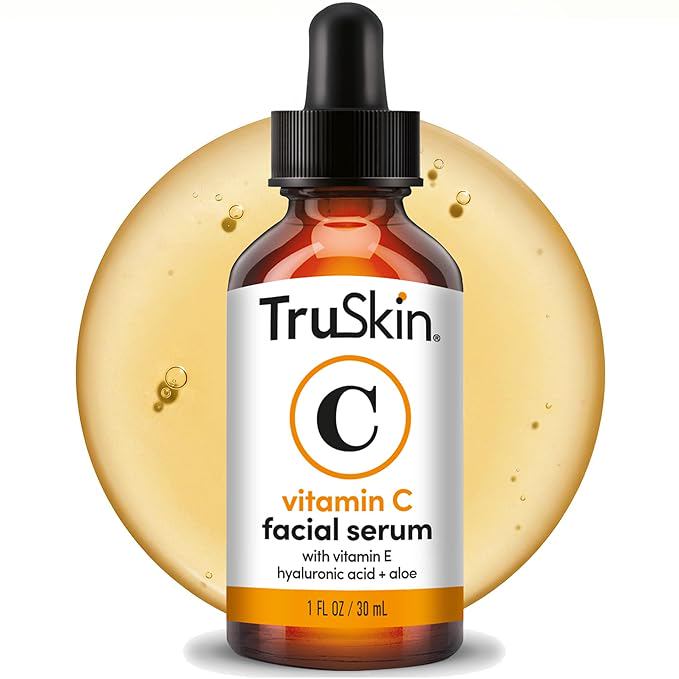
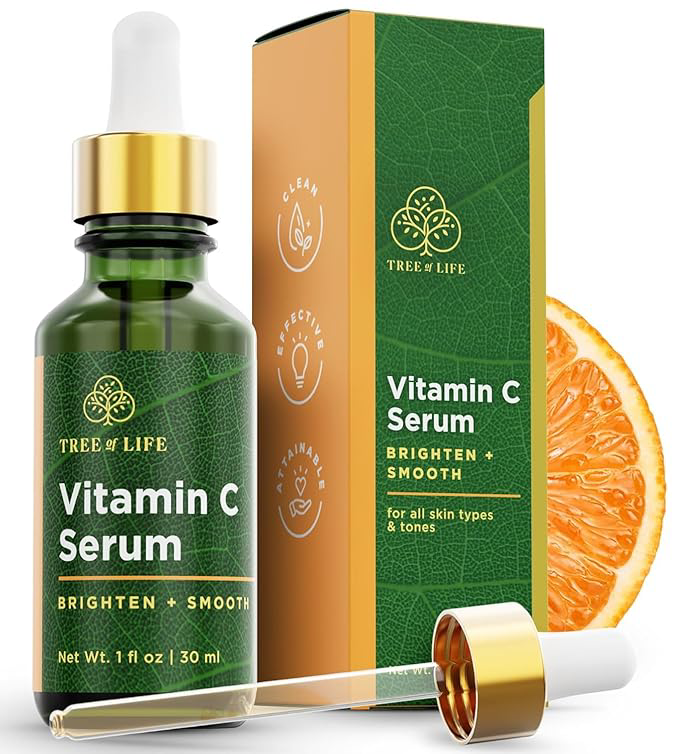
One caveat: topical vitamin C is far more potent for direct skin firmness than dietary C. Eating these foods supports whole-body health, but do not expect dramatic skin tightening from a handful of berries alone.
Zinc and copper for matrix maintenance
Zinc is a cofactor for collagen synthesis and helps protect against UV damage. Copper is required for lysyl oxidase, an enzyme that cross-links collagen and elastin, giving skin its resilience. Oysters, liver, pumpkin seeds, and chickpeas are solid sources. Most people in developed nations get enough copper without trying, but zinc can be low in older adults.
Polyphenols and antioxidants shield existing collagen
This is where the “protective” argument for diet gets strong. Polyphenols from green tea, berries, dark chocolate, and olive oil help inhibit the enzymes (matrix metalloproteinases) that break down collagen when activated by UV or inflammation. A 2020 study in Journal of Cosmetic Dermatology found that women who consumed a high-polyphenol diet for 12 weeks had measurably improved skin firmness and reduced wrinkle depth compared to controls.
This is not about applying green tea topically. It’s about eating the whole food. The effect is modest, but real—think of it as slowing the ongoing damage, not turning back the clock by a decade.
What realistic results look like over time
Here’s where expectations need to be adjusted. If you are eating a balanced diet already, adding more collagen peptides or berries will likely produce a small, gradual improvement in firmness—something you might notice in the mirror over three to six months, but not something that will turn heads. The changes tend to show up as slightly less “crepey” texture, a bit more bounce when you press on your cheek, and better overall hydration.
“I tell patients that diet can improve skin quality by about 10–20 percent on a good day. For the other 80 percent, you’re looking at genetics, sun protection, and the natural aging process.” — paraphrased from board-certified dermatologist Dr. Ava Shamban, on dietary skin support.
Where diet is truly non-negotiable: preventing further loss. A nutrient-poor diet high in sugar and refined carbs accelerates glycation, which stiffens and yellows collagen fibers. Cutting back on sugar and processed foods may have a more visible effect on firmness than adding any single supplement, simply because you stop actively attacking your own skin structure.
Specific foods that deserve a spot on your plate
Rather than a strict “firming diet,” think in terms of pattern. The Mediterranean diet has the strongest evidence for skin health, because it combines protein, healthy fats, polyphenols, and low-glycemic carbohydrates. Within that framework, these foods are worth prioritizing:
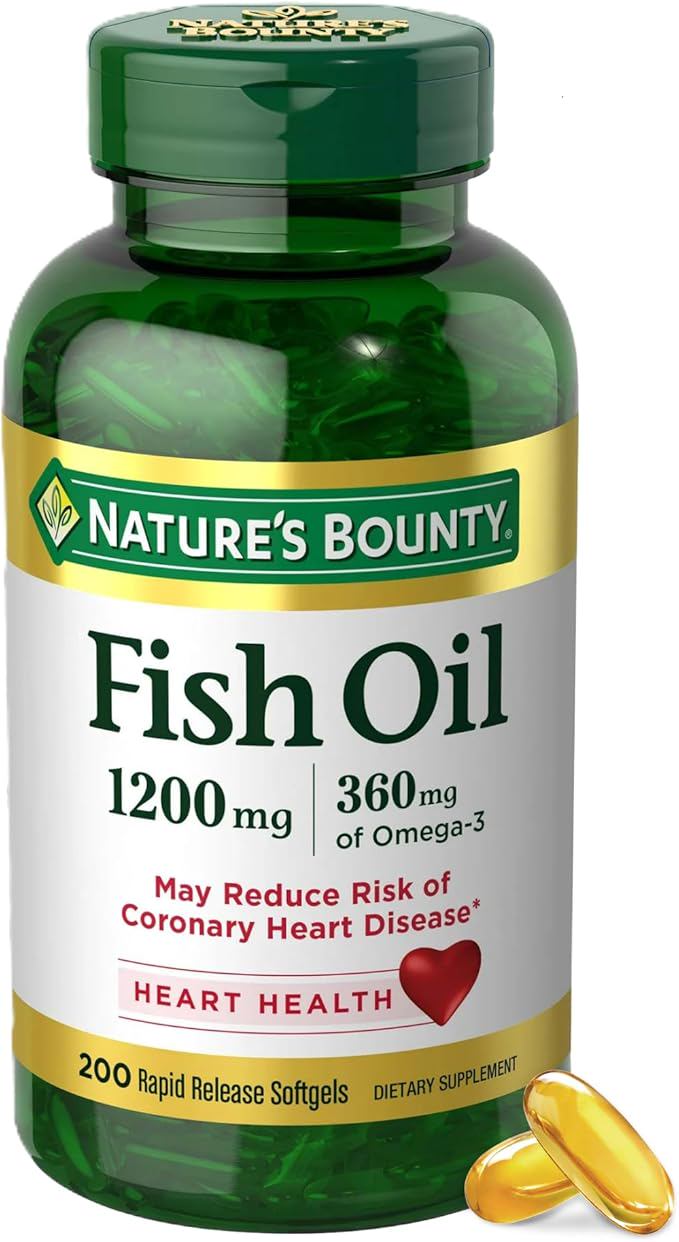
- Fatty fish (salmon, mackerel, sardines) — omega-3s reduce inflammation that degrades collagen
- Tomatoes — lycopene protects against UV damage
- Avocado — monounsaturated fats and vitamin E support cell membranes
- Dark leafy greens — folate and antioxidants support cell turnover
- Citrus and bell peppers — vitamin C for collagen synthesis
- Green tea — EGCG inhibits collagen-degrading enzymes
Notice these are not exotic or expensive. They are staple foods that happen to be good for nearly every system in your body, skin included.
What about supplements: do they work?
Collagen supplements dominate the market, and the evidence is cautiously positive. Most clinical trials use 2.5–10 grams of hydrolyzed collagen peptides daily for at least 8 weeks. Results consistently show improved hydration and elasticity, but the magnitude is small. The supplements are safe and may be useful as a convenient source of specific amino acids, but they are not a replacement for whole-food protein. If your diet already includes adequate protein (roughly 0.8–1.0 g per kg of body weight), the added benefit of a collagen supplement is likely minimal.
Other supplements like hyaluronic acid, vitamin E, and CoQ10 have less robust evidence for skin firmness specifically. Do not expect them to tighten loose skin on their own.
The two things that matter more than diet alone
Two lifestyle factors consistently outrank diet in studies of skin firmness: sun protection and blood sugar regulation. Sunscreen that blocks both UVA and UVB, used daily even indoors, prevents the majority of photoaging that leads to sagging. And keeping blood sugar stable—through a low-glycemic diet and regular exercise—reduces glycation end products that stiffen skin. These measures do more to preserve firmness than any smoothie ever could.
If your goal is visibly firmer skin, start with SPF and a vegetable-heavy, low-sugar diet, then add collagen-supportive foods as the baseline. That combination gives you the best realistic shot at noticeable improvement over the course of several months.
In short, diet can absolutely support skin firmness by providing the raw materials and protective compounds that slow structural decline. But the results are gradual, partial, and best understood as a way to optimize your skin’s natural potential rather than reversing age or damage. Maintain reasonable expectations, stay consistent, and let your skin show the cumulative benefits of good daily choices.