Staying hydrated is one of the most fundamental pieces of diabetes management, but the simple act of drinking can feel fraught when you’re watching your glucose. Plain water is always a safe choice, yet sometimes you crave a little flavor, a bit of variety, or a different kind of refreshment. The good news is that your options extend far beyond the tap. With a mindful approach, you can discover beverages that satisfy your thirst and your taste buds without sending your blood sugar on a rollercoaster ride.
The key lies in understanding what’s in your glass. Sugars, both obvious and hidden, are the primary culprits in sugary sodas, juices, and many coffee shop concoctions. But hydration doesn’t have to mean sweetness. By focusing on drinks that are naturally very low in carbohydrates and free from added sugars, you can expand your hydration toolkit significantly. Let’s explore a few gentle, satisfying choices that prioritize your blood sugar stability.
What makes a drink blood-sugar friendly?
Before we pour a glass, it helps to know what we’re looking for. A hydrating drink that supports stable glucose levels typically has two main features: it is very low in carbohydrates and contains no added sugars. Carbohydrates, which include sugars and starches, are the nutrients that have the most immediate impact on blood glucose. A “carb-free” or “extremely low-carb” beverage will have a negligible effect.
It’s also wise to consider what a drink doesn’t have. Artificial sweeteners are a common topic of discussion. While many are considered safe and can be useful tools for reducing sugar intake, some people find they affect their taste preferences or gut microbiome. The drinks highlighted here rely on natural, subtle flavors rather than intense sweetness, artificial or otherwise.
Think of hydration as a daily foundation. Choosing drinks that don’t spike your glucose is a simple, consistent way to support overall management.
Sparkling Water with a Citrus Twist
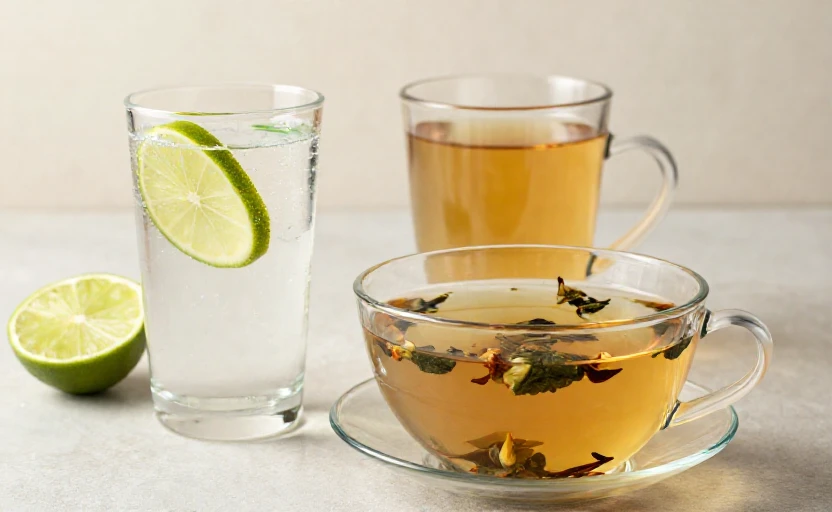
If you miss the fizzy sensation of a soda, plain sparkling water is a brilliant substitute. It’s simply water infused with carbon dioxide, meaning it has zero carbohydrates, sugars, or calories. The carbonation provides a satisfying mouthfeel that can make hydration feel more like a treat.
To elevate it from plain to interesting, add a generous squeeze of fresh lemon, lime, or a few segments of grapefruit. The citrus adds a bright, tangy flavor and a dose of vitamin C without adding meaningful carbs. You’re infusing the water with essence, not sugar.
- Keep it simple: A wedge of lime in chilled seltzer is refreshingly straightforward.
- Get herbal: Add a few fresh mint leaves or a sprig of rosemary to your citrus-sparked water for a more complex flavor profile.
- Read labels carefully: Avoid “tonic water,” which contains added sugar, and be cautious with flavored sparkling waters that list “natural flavors” and sweeteners like sucralose or stevia if you prefer to avoid them.
Herbal Tea, Served Hot or Iced
The world of herbal teas—or tisanes—is vast and naturally free of caffeine and carbohydrates. Made from steeping dried flowers, herbs, spices, and fruits in hot water, they offer a spectrum of flavors from floral and sweet to spicy and earthy, all without impacting blood sugar.
Iced herbal tea is a superb, hydrating alternative to sugary lemonades or iced tea. Brew a pot of your favorite blend, let it cool, and keep it in a pitcher in your refrigerator.
A few soothing varieties to explore
Peppermint or Spearmint: Naturally sweet and refreshing, excellent for digestion. Served iced, it’s incredibly revitalizing.
Rooibos: A South African herb with a naturally sweet, slightly nutty flavor. It’s rich in antioxidants and delicious hot or cold.
Chamomile: Known for its calming properties, it has a gentle, apple-like flavor. A warm cup can be a comforting ritual.
Hibiscus: Tart and cranberry-like, it makes a brilliantly red, refreshing iced tea. It’s important to note that some studies suggest hibiscus may help lower blood pressure, so if you are on medication for hypertension, it’s wise to consult your doctor.
Broth-Based Sips
Hydration isn’t only about cold drinks. A warm, savory cup of broth can be deeply hydrating and satisfying, especially when you want something substantial. Bone broth or vegetable broth provides electrolytes like sodium and potassium, which aid in fluid balance.
Choose a low-sodium broth to control your salt intake, and always check the label for added sugars or starches, which are sometimes used as thickeners. A homemade broth is ideal, but many store-bought options now clearly list simple, clean ingredients.
For a simple preparation, heat a cup of broth until steaming. You can sip it plain or add a twist of black pepper, a slice of ginger, or a sprinkle of fresh herbs like parsley or chives. It’s a nourishing choice that feels more like a mini-meal than a beverage, perfect for an afternoon pick-me-up.
Beverages to approach with caution
While exploring new options, it’s just as important to recognize common drinks that can be problematic. Fruit juice, even 100% pure, concentrates the sugar of many fruits without the beneficial fiber, leading to a rapid glucose rise. Regular soda and sweetened coffee drinks are obvious sources of large amounts of added sugar. “Diet” drinks and those with artificial sweeteners are personal choices; they may be useful for some but are not the only path to varied hydration.
Sports drinks and enhanced waters are often marketed as healthy but frequently contain significant amounts of sugar or artificial sweeteners and colors. They are generally unnecessary for everyday hydration.
Listening to your body
Hydration needs are personal and can be influenced by activity level, climate, and overall health. Thirst is a clear signal, but other signs of mild dehydration include fatigue, headache, or dry mouth. Making one of these glucose-friendly drinks your default choice helps ensure you’re meeting your fluid needs without complicating your blood sugar management.
Ultimately, managing diabetes is about building a sustainable, enjoyable lifestyle. Discovering drinks that you genuinely look forward to can transform hydration from a chore into a simple pleasure—one that supports your well-being with every sip.