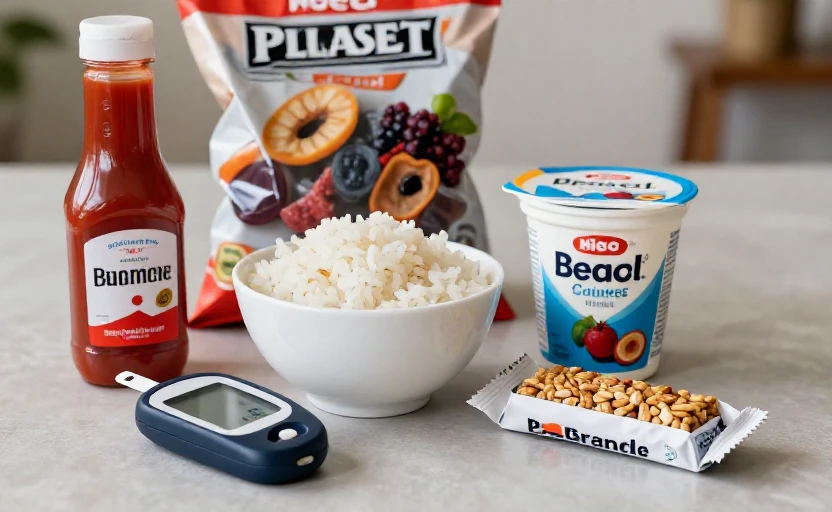
When you think about managing blood sugar, the usual suspects come to mind: candy, soda, pastries. It’s a natural connection. But the story of glucose regulation is more nuanced than a simple tally of sugar grams. Some foods, without tasting particularly sweet, can still influence your blood sugar in significant ways. Understanding these less-obvious players can help you build a more stable, predictable relationship with your meals.
This isn’t about creating fear or an endless list of restrictions. It’s about awareness. When you know how different foods behave in your body, you gain the power to make informed choices, pair foods strategically, and avoid unexpected spikes or dips. Let’s look beyond the sugar bowl to some common foods that might be quietly influencing your glucose levels.
1. The White Starch Effect: Refined Carbohydrates
This is perhaps the most well-known “unexpected” influencer, but it bears repeating because of its prevalence. Foods like white bread, white rice, regular pasta, and crackers are often low in sugar on the nutrition label. However, they are made from refined grains that have been stripped of their fiber-rich bran and germ.
This refining process allows your body to break them down into glucose extremely quickly. The result? A rapid influx of sugar into your bloodstream, similar to what happens with pure sugar. The lack of fiber means there’s nothing to slow the digestion and absorption process.
Think of refined carbs as “disguised sugar.” Your body processes them with similar speed, leading to a sharp glucose rise.
2. The Dried Fruit Paradox
A handful of raisins or dried mango seems like a wholesome, natural snack. And it is, in terms of vitamins and minerals. But the dehydration process concentrates all the fruit’s natural sugars into a much smaller package. You might eat ten dried apricots far more easily than you’d eat ten fresh ones.
This means you’re consuming a high dose of fructose and glucose in a few bites, often without the full volume of water and fiber that helps moderate absorption in whole fruit. It’s easy to overconsume, leading to a more pronounced blood sugar spike than you might anticipate from a “fruit” snack.
3. Savory Sauces and Condiments
Ketchup, barbecue sauce, sweet chili sauce, and many salad dressings are stealth sugar carriers. They’re often added to savory dishes—think grilled chicken, fries, or salads—where you don’t expect a sweet impact. A few tablespoons can contain the equivalent of several teaspoons of added sugar.
Because these sauces are liquids or near-liquids, the sugars they contain are absorbed very quickly. They can turn an otherwise blood-sugar-friendly meal like a salad with grilled salmon into a glucose-elevating event.
4. Flavored Yogurts and Dairy Alternatives
Plain yogurt is a protein-rich food with a modest amount of natural milk sugar (lactose). Flavored versions, however, are a different story. A single serving of some fruit-flavored or “low-fat” yogurts can contain more sugar than a glazed doughnut.
The same goes for many sweetened plant-based milks and creamers. Vanilla almond milk, sweetened soy milk, or coffee creamers can add significant sugar to your morning routine without it feeling like a dessert. Always check for words like “vanilla,” “original” (which often means sweetened), “chocolate,” or “holiday spice.”
5. Starchy Vegetables in Large Portions
Vegetables are foundational to a healthy diet, and most are excellent choices for blood sugar management due to their high fiber and low calorie density. However, some vegetables are higher in starch and carbohydrates than others.
Potatoes (white and sweet), corn, peas, and winter squashes like butternut or acorn squash are nutritious, but they have a more direct impact on blood glucose than non-starchy veggies like broccoli, spinach, or peppers. This doesn’t mean you should avoid them; it means being mindful of portion size. A heaping plate of mashed potatoes will act more like a carbohydrate serving than a vegetable serving.
6. “Healthy” Packaged Snacks and Bars
The health halo is real. Granola bars, protein bars, gluten-free snacks, and even some “natural” chips can be formulated with various sweeteners to improve taste. Agave nectar, brown rice syrup, coconut sugar, and fruit juice concentrate are all still forms of sugar that your body will process.
These snacks may be marketed as high-protein, high-fiber, or all-natural, but a glance at the total carbohydrate and added sugar lines on the nutrition label tells the real story. They can cause a surprising glucose lift, especially if eaten alone.
Building a More Balanced Plate
Knowledge is the first step. The next is applying it without stress. You don’t need to eliminate these foods. Instead, consider these strategies for balance:
- Pair with Protein, Fat, or Fiber: Combining a potentially glucose-raising food with other nutrients slows digestion. Add nut butter to a rice cake, have cheese with crackers, or toss dried fruit into a mix with nuts.
- Watch Portions: Sometimes, it’s just about amount. Enjoy a smaller serving of mashed potatoes alongside a larger portion of green beans and a chicken breast.
- Read Labels: Get in the habit of scanning the “Total Carbohydrates” and “Added Sugars” lines on nutrition facts panels, even on savory items like sauces and bread.
- Choose Whole Food Forms: Opt for whole-grain bread over white, fresh fruit over dried, and plain yogurt that you flavor yourself with berries.
Ultimately, blood sugar management is a personal journey of noticing how your unique body responds. By looking beyond just sugar content and understanding the broader landscape of carbohydrates and hidden sweeteners, you can navigate your diet with greater confidence and steadiness.