
You might invest in the best serums and moisturizers, but the real story of your skin often unfolds while you sleep. It’s a time of repair and renewal, yet some common, seemingly harmless habits can quietly undermine that process, making fine lines appear more pronounced over time. The good news? These errors are often simple to correct once you know what to look for.
Think of your nighttime routine not as a final step in your day, but as the first and most important step for tomorrow’s skin. The choices you make in the evening set the stage for how well your skin can perform its natural regenerative work. Let’s explore three frequent missteps that could be working against you.
Sleeping on Your Side or Stomach
It’s one of the most natural things in the world: curling up on your side or settling in on your stomach. For comfort and breathing, it’s often the go-to position. For your skin, however, it’s a form of slow, persistent pressure that can etch temporary sleep lines deeper into your complexion over the years.
When your face is pressed against a pillow for hours, the skin and the delicate connective tissues beneath it are compressed and folded. Night after night, these repeated creases can gradually become more permanent fixtures, especially around the forehead, cheeks, and the delicate eye area. This isn’t about a single bad night’s sleep; it’s the cumulative effect of a habitual position.
Your pillowcase fabric matters, but it doesn’t override the physics of pressure. Even the softest silk can’t prevent compression lines if your face is firmly nestled into it.
Training yourself to sleep on your back is the most effective defense. It allows your facial skin to rest in a neutral, gravity-friendly position. If that feels impossible, consider these adjustments:
- Use a contoured pillow designed for back sleeping to help you stay in place.
- If you’re a dedicated side sleeper, try a silk or satin pillowcase. These smoother fabrics create less friction and drag than cotton, allowing your skin to glide more easily as you move.
- Be mindful of how you tuck your hands or arms. Sleeping with a hand shoved under your cheek creates a sharp, concentrated point of pressure.
Using Harsh Cleansers or Skipping Moisture
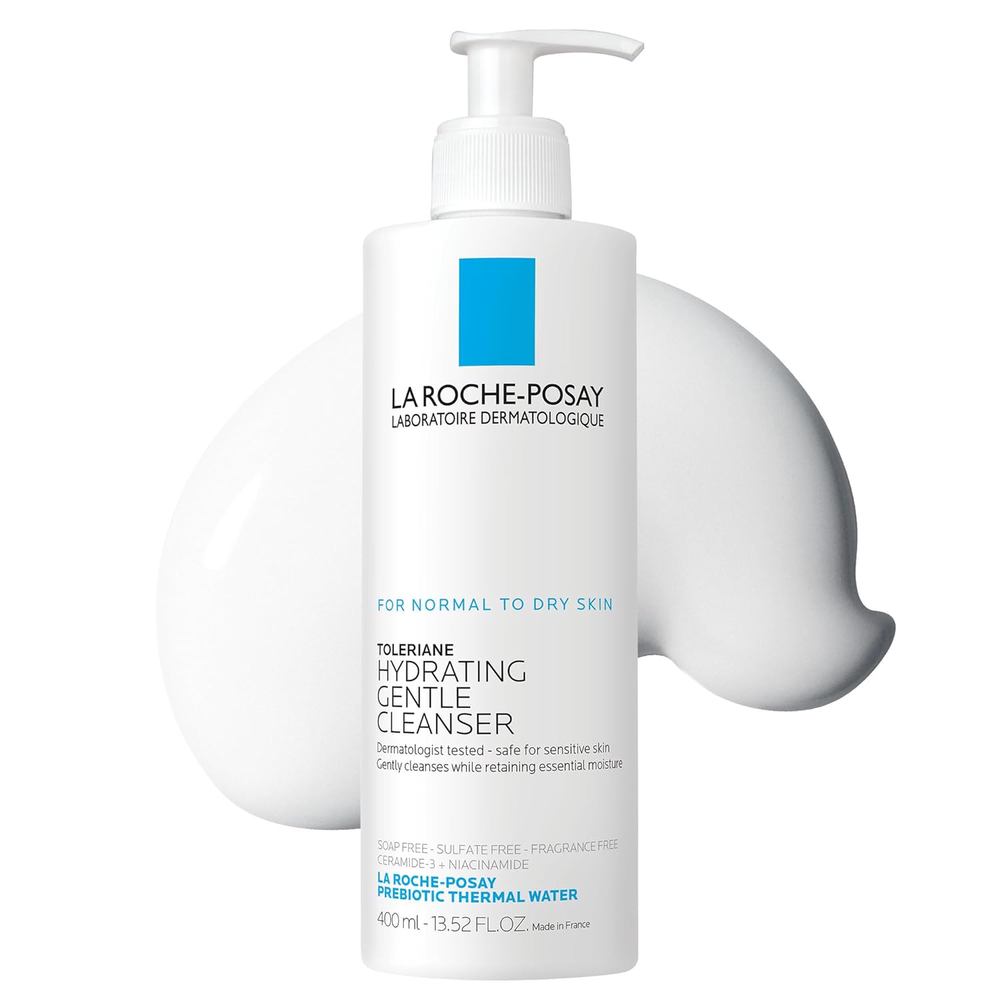
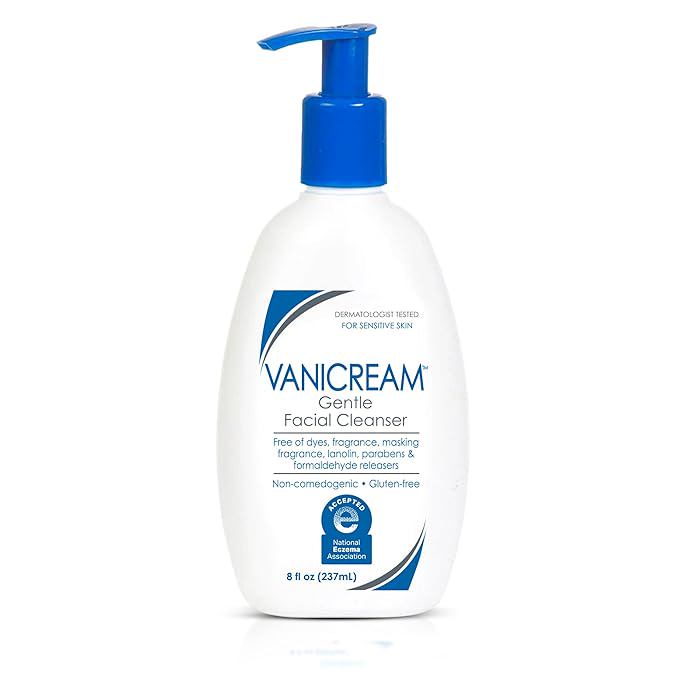
The goal of evening cleansing is to remove the day without stripping away your skin’s essential barrier. This is a critical distinction. Aggressive foaming cleansers, especially those with high alcohol content or strong sulfates, can leave your skin feeling “squeaky clean” but actually defenseless.
When your skin’s barrier is compromised, it loses water more easily—a process known as transepidermal water loss. Dehydrated skin plumps up fine lines, making them far more visible. Furthermore, a weakened barrier is less equipped to handle the repair work that should be happening overnight. Your skin spends its energy trying to recover its balance instead of focusing on renewal.
The fix involves a gentle, supportive approach:
- Opt for cream, balm, or milk cleansers that dissolve makeup and sunscreen without harsh surfactants.
- Follow cleansing immediately with a hydrating toner or essence to dampen the skin, then apply your treatment serums. Damp skin absorbs subsequent products more effectively.
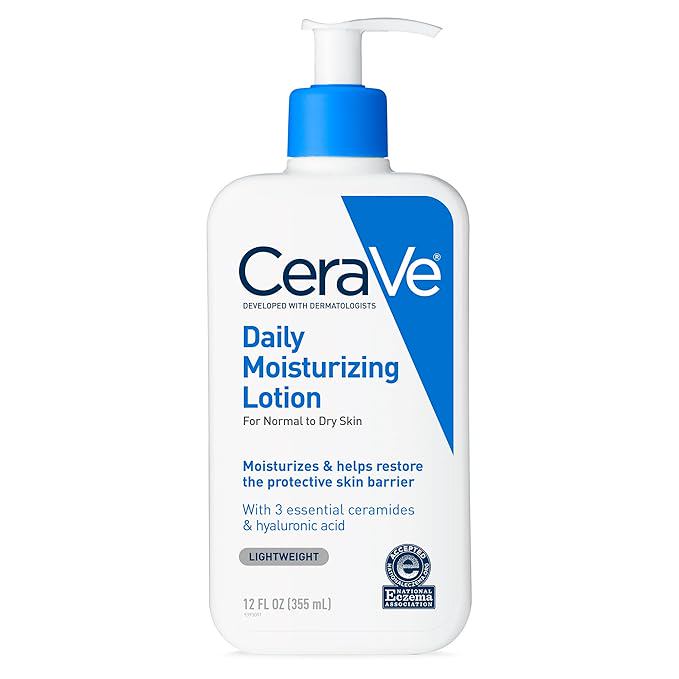
- Always seal everything in with a moisturizer. Even if you have oily skin, a light, non-comedogenic gel-cream is essential to lock in hydration and active ingredients while you sleep.
Neglecting Your Neck and Chest
Your face doesn’t end at your jawline. The skin on your neck and décolletage is thinner, has fewer oil glands, and is just as—if not more—prone to showing signs of aging and sleep-related creasing. Yet, it’s an area many people forget in their nightly ritual.
Sleeping in certain positions can create horizontal lines across the neck or vertical lines on the chest. Without the same protective care you give your face, these areas can become dehydrated and show damage more quickly. The error isn’t just skipping product; it’s failing to consider your skin as one continuous canvas.
Extending your care downward takes only seconds but makes a significant difference. After applying your facial serum and moisturizer, use whatever remains on your fingertips to gently massage the product onto your neck and upper chest. Use upward, sweeping motions. If you use a retinoid or treatment cream on your face, check if it’s also formulated for use on the neck, or choose a dedicated neck cream rich in peptides and hydrators.
Ultimately, effective anti-aging isn’t just about what you add to your skin; it’s equally about what you stop doing to it. By addressing these common nighttime errors—sleep position, cleansing aggression, and neglected zones—you create an optimal environment for your skin’s own incredible capacity to restore itself. The result is skin that looks more rested, resilient, and smooth, not just in the morning, but for the long term.