
You might invest in serums, moisturizers, and regular facials, but the real test for your skin’s resilience happens while you sleep. This is when your body shifts into repair mode, working to undo the day’s damage and rebuild collagen and elastin—the very fibers that keep your skin firm and springy. Yet, some seemingly harmless evening routines can quietly sabotage this critical renewal process, accelerating the loss of elasticity long before its time.
Understanding these mistakes isn’t about adding more steps to an already lengthy regimen. It’s about recognizing where your current habits might be creating friction in your skin’s natural recovery cycle. By adjusting just a few key behaviors, you can create an environment that truly supports your skin’s overnight work, helping to preserve that coveted bounce and tightness.
Why nighttime is crucial for skin elasticity
Think of your skin’s daily cycle in two phases: defense and repair. During the day, your skin is in protection mode, fending off environmental stressors like UV rays and pollution. Come nightfall, it transitions. Blood flow increases, cell turnover accelerates, and the production of essential proteins like collagen and elastin gets a boost. This is the prime time for healing and rebuilding the structural matrix that gives skin its plump, lifted appearance.
Habits that disrupt this delicate process—whether by causing physical stress, dehydration, or inflammation—directly interfere with your skin’s ability to maintain its elastic foundation. The result isn’t always immediate, but over weeks and months, the cumulative effect can manifest as earlier-than-expected sagging, fine lines, and a loss of that youthful contour.
Mistake #1: Sleeping on your side or stomach
It’s one of the most common sleep positions, yet it poses a surprising threat to skin elasticity. When you sleep with your face pressed into a pillow for hours on end, you’re creating persistent compression and shear forces on the skin. This repeated folding and tugging, night after night, can gradually break down collagen and create permanent creases—most notably along the cheeks, between the brows, and around the mouth.
Beyond creasing, this position can also impair circulation to the facial skin, potentially limiting the delivery of oxygen and nutrients needed for optimal overnight repair. The friction against your pillowcase can also exacerbate irritation and dehydration, especially if you’re using fabrics that aren’t skin-friendly.
Your goal is to minimize prolonged pressure on any one area of the face to allow for unrestricted repair and blood flow.
How to make a change
Training yourself to sleep on your back is the most effective solution, though it can take patience. Start by using pillows for strategic support: place a firm pillow under your knees to ease your back and a smaller pillow on each side to prevent rolling. Some find a silk or satin pillowcase helpful, as its smoother surface creates less friction and tug if you do turn onto your side. The key is consistency; even a few nights a week of back-sleeping can give your skin a meaningful break.
Mistake #2: Using overly harsh or drying products right before bed
In the quest for clear, smooth skin, it’s easy to overdo it. Applying potent actives like high-percentage retinoids, exfoliating acids, or alcohol-based treatments immediately before sleep can backfire. While these ingredients have proven benefits, timing and context matter. If they strip the skin’s barrier or cause significant irritation right as it’s entering its repair phase, you’re essentially sending it into recovery with an open wound, diverting energy from collagen synthesis to damage control.
A compromised barrier loses water more easily, leading to trans-epidermal water loss (TEWL) throughout the night. Dehydrated skin appears less plump, exaggerates the appearance of fine lines, and can hinder the skin’s natural regenerative functions. The goal of your PM routine should be to support, not assault.
Crafting a supportive evening routine
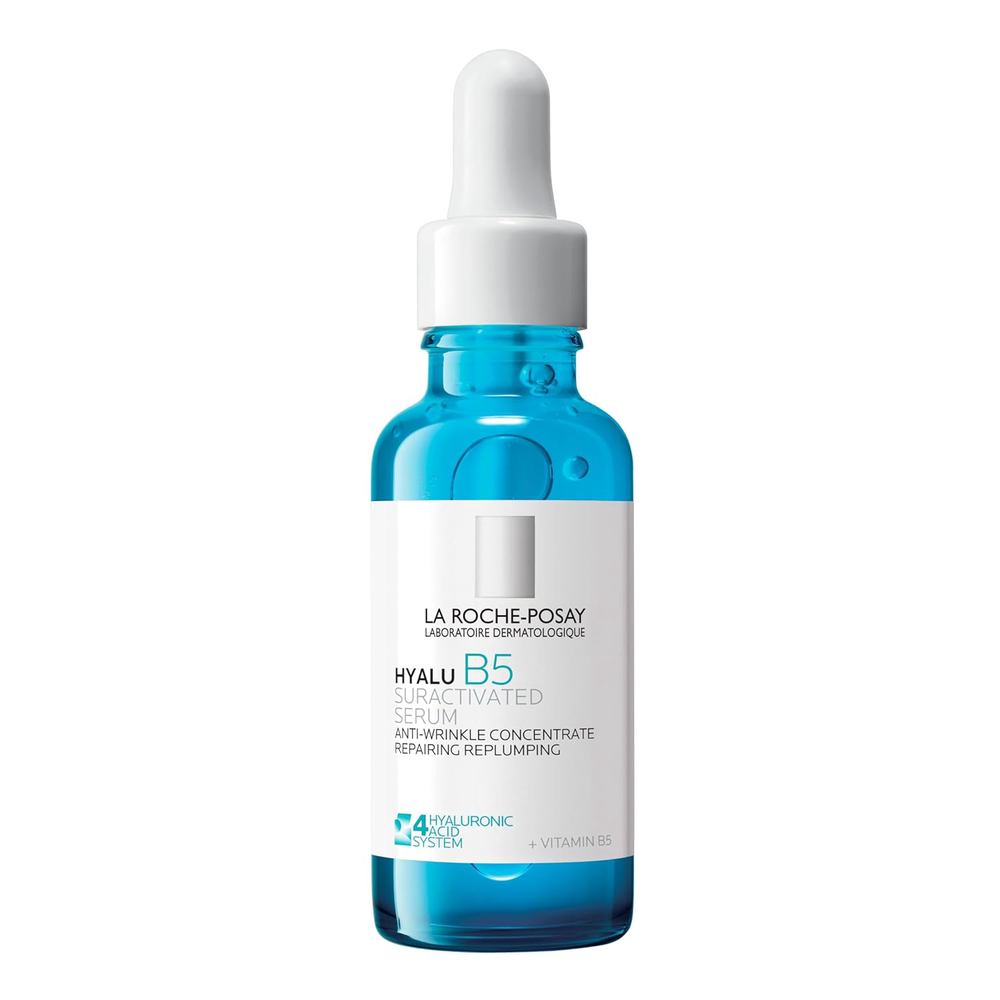
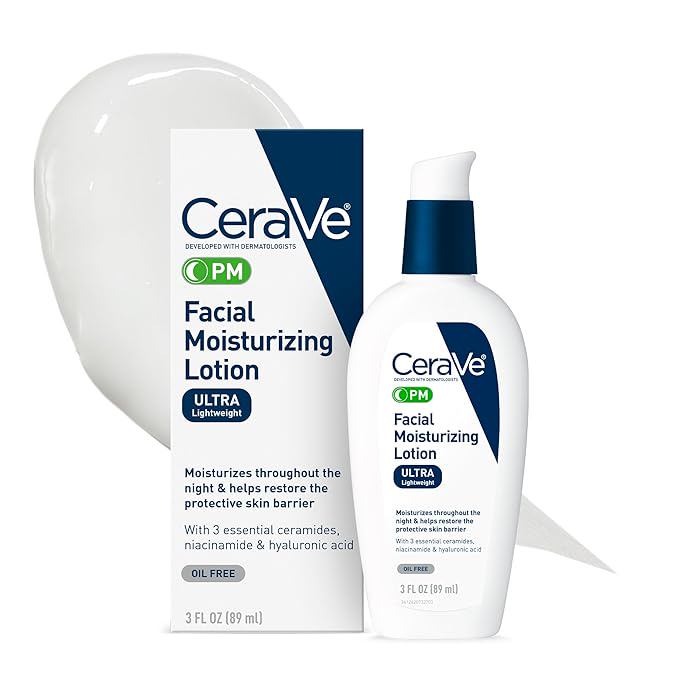
Focus on balance. If you use potent actives, consider applying them earlier in the evening, at least 30 minutes before bed, to allow initial absorption and any tingling to subside. Always follow with a nourishing moisturizer to seal in hydration and support the barrier. Look for formulations containing ingredients like ceramides, peptides, or hyaluronic acid, which work in harmony with your skin’s overnight processes.
On nights when your skin feels sensitive or reactive, give it a break. A simple routine of a gentle cleanser and a rich, reparative cream can be more beneficial than pushing through with an intense treatment. Listen to your skin’s signals—tightness, redness, or stinging are signs to pull back.
Supporting your skin’s overnight renewal
Beyond avoiding these two mistakes, a few positive steps can further enhance your skin’s elastic resilience. Keeping a small humidifier in your bedroom adds moisture to the air, helping to prevent overnight dehydration. Staying generally hydrated by drinking water throughout the day ensures your skin has the internal resources it needs. And managing overall stress through practices like meditation or gentle evening stretches can lower cortisol levels, a hormone known to break down collagen when chronically elevated.
Remember, preserving elasticity is a marathon, not a sprint. Small, consistent adjustments to how you treat your skin during its most vulnerable and active repair period can yield significant, lasting benefits for its firmness and youthfulness.