
You’ve built a ritual. Cleanse, tone, serum, moisturizer, SPF—each step performed with the hope of preserving a fresh, smooth complexion. But what if, despite your dedication, some of those very habits are quietly working against you? The pursuit of youthful skin can sometimes lead us down paths that inadvertently accelerate the signs of aging we’re trying to prevent.
The morning routine is particularly crucial. It’s when we prepare our skin to face the day’s environmental challenges. Yet, a few common missteps in timing, product selection, or technique can compromise your skin’s barrier, lead to inflammation, and ultimately contribute to the formation of fine lines and wrinkles. It’s not about doing more; it’s about doing what’s right for your skin’s biology.
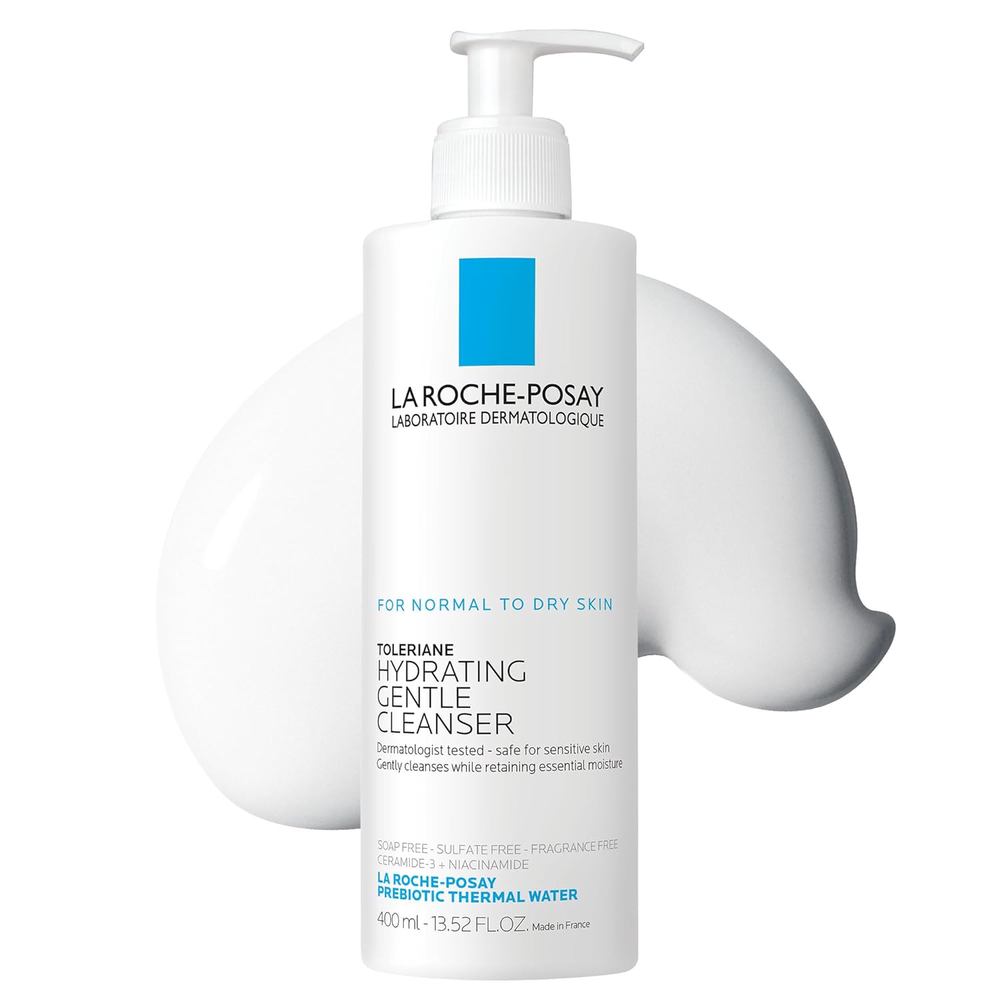
Mistake 1: Over-Cleansing or Using Stripping Formulas
It feels logical: start the day with a perfectly clean slate. But for many skin types, especially as we age, that “squeaky clean” feeling is a warning siren. Aggressive cleansing in the morning can strip away the skin’s natural lipid barrier and its delicate acid mantle—a protective film of sweat and sebum that maintains a slightly acidic pH.
When this protective layer is compromised, transepidermal water loss increases. Your skin loses its ability to hold onto moisture, becoming dehydrated. Dehydrated skin lacks plumpness, making fine lines appear more pronounced. Furthermore, a disrupted barrier is more vulnerable to pollutants and UV damage throughout the day, leading to inflammation and collagen breakdown over time.
Your morning cleanse should refresh, not reset. Think of it as gentle maintenance, not a deep excavation.
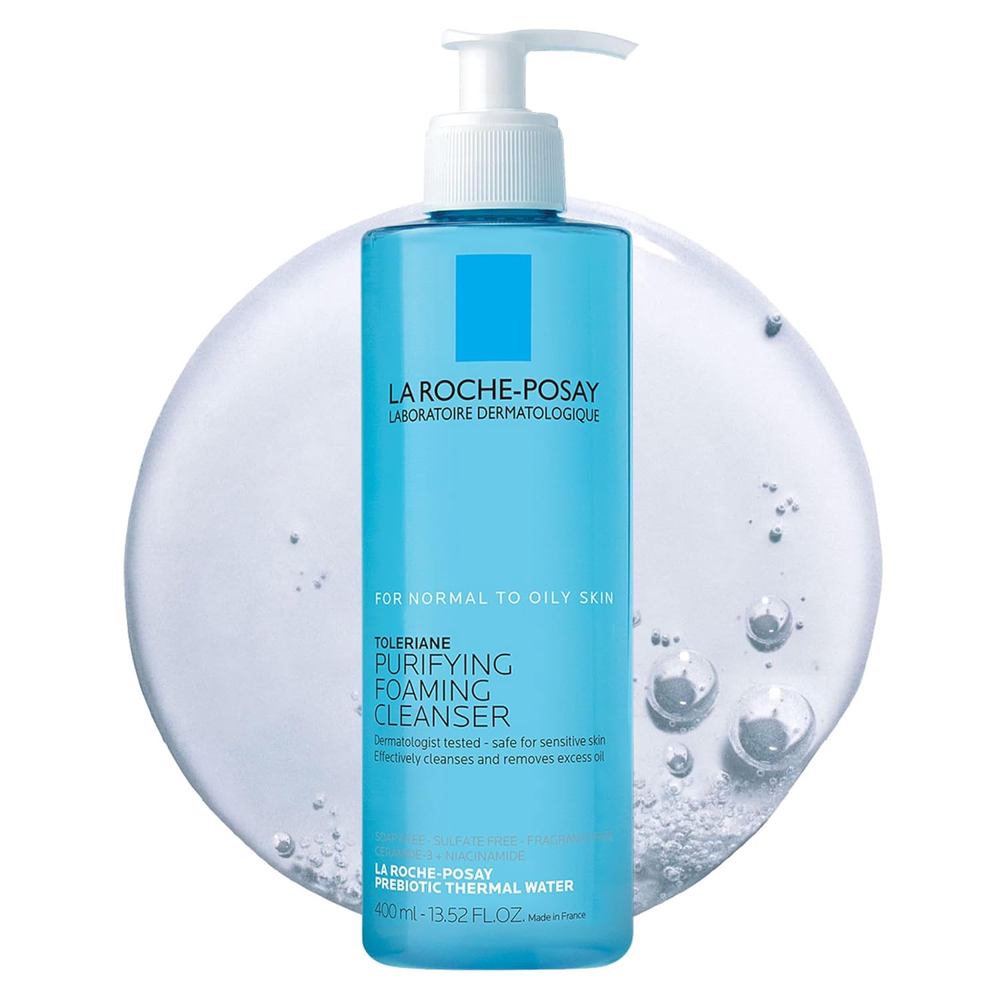
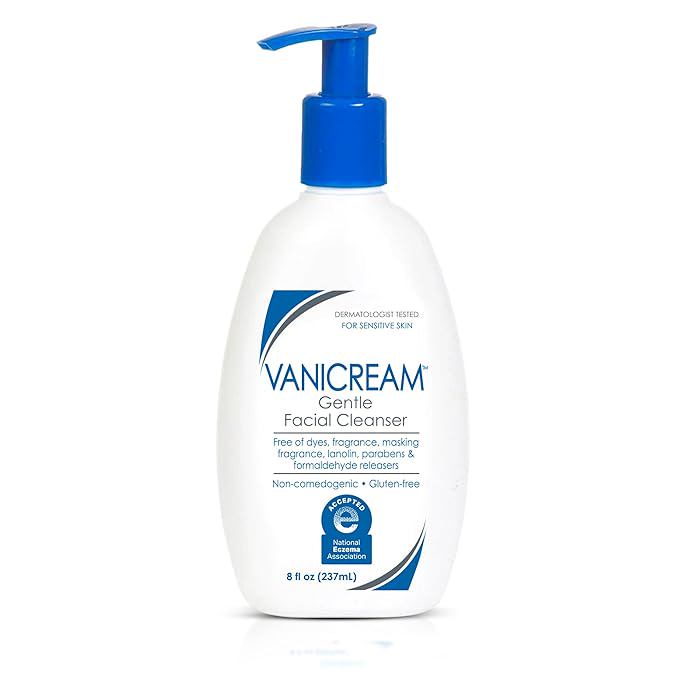
For most people, a lukewarm water rinse or a gentle, hydrating cleanser like a milky or cream formula is sufficient in the morning. Reserve stronger active cleansers (like those with salicylic acid or high-foaming surfactants) for the evening, when you need to remove sunscreen, makeup, and the day’s grime.
Mistake 2: Applying Vitamin C Serum on Damp Skin
Vitamin C (L-ascorbic acid) is a superstar antioxidant for morning routines, famed for its ability to neutralize free radicals from UV exposure and pollution before they can damage collagen and elastin. However, its application is where many go astray.
A pervasive tip suggests applying vitamin C to damp skin to enhance absorption. While this can be true for certain hydrating ingredients like hyaluronic acid, for pure L-ascorbic acid it’s a potential problem. Water can alter the pH of the skin’s surface, destabilizing this potent but notoriously finicky antioxidant. An unstable vitamin C serum oxidizes more quickly, losing its efficacy and potentially causing irritation.
Irritation is a silent wrinkle-promoter. It creates low-grade inflammation in the skin, a process that can degrade collagen and impair the skin’s natural repair mechanisms. For vitamin C to work effectively and safely, apply it to clean, completely dry skin. Pat your face dry after cleansing and wait a full 60 seconds to ensure no residual dampness remains.
What about other antioxidants?
If you use a vitamin C derivative (like sodium ascorbyl phosphate or tetrahexyldecyl ascorbate) or a different antioxidant serum like ferulic acid or resveratrol, check the specific formulation guidelines. Some are more stable and forgiving. When in doubt, applying to dry skin is the gentlest, most effective rule of thumb.
Mistake 3: Skipping or Underapplying Sunscreen
This is the non-negotiable pillar, yet it’s often the step we rush or mentally check off with a scant dab. No other product in your routine has as much direct, evidence-based impact on preventing photoaging—the wrinkles, leathery texture, and pigmentation caused by ultraviolet radiation.
UV rays, particularly UVA, penetrate deep into the dermis, where they break down collagen and elastin fibers. This damage is cumulative and irreversible at the cellular level. Think of your morning antioxidant serum as a shield that depletes throughout the day; sunscreen is the essential armor that must remain intact.
Underapplication is the most common error. To achieve the SPF protection listed on the bottle, you need to apply approximately two finger-lengths of product for your face and neck. That’s about ½ teaspoon. A pea-sized amount, which is what many people use, provides only a fraction of the stated protection.
- Apply it last, after your moisturizer has fully absorbed.
- Don’t forget your neck, chest, and the backs of your hands—areas that show age quickly.
- Reapplication is key for all-day protection. If you’re outdoors, reapply every two hours. For indoor office days, a single morning application of a high-SPF, broad-spectrum formula is a good baseline, but consider a top-up if you sit near a window or have a midday walk.
Building an effective anti-aging routine is less about the number of products and more about their strategic, gentle use. By avoiding these three counterproductive habits—stripping the skin’s barrier, destabilizing your antioxidants, and under-protecting from the sun—you allow your skin to function at its resilient best. The goal is to support your skin’s natural health, creating an environment where collagen can thrive and fine lines are kept comfortably at bay.