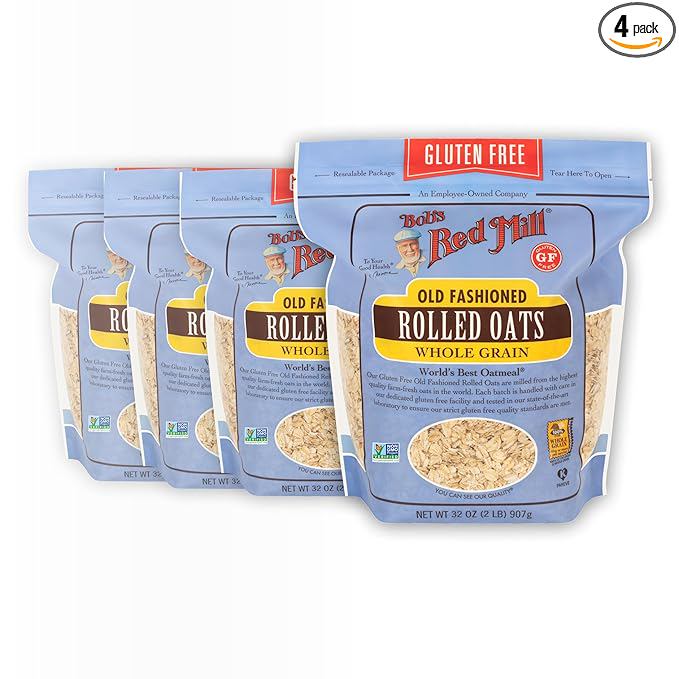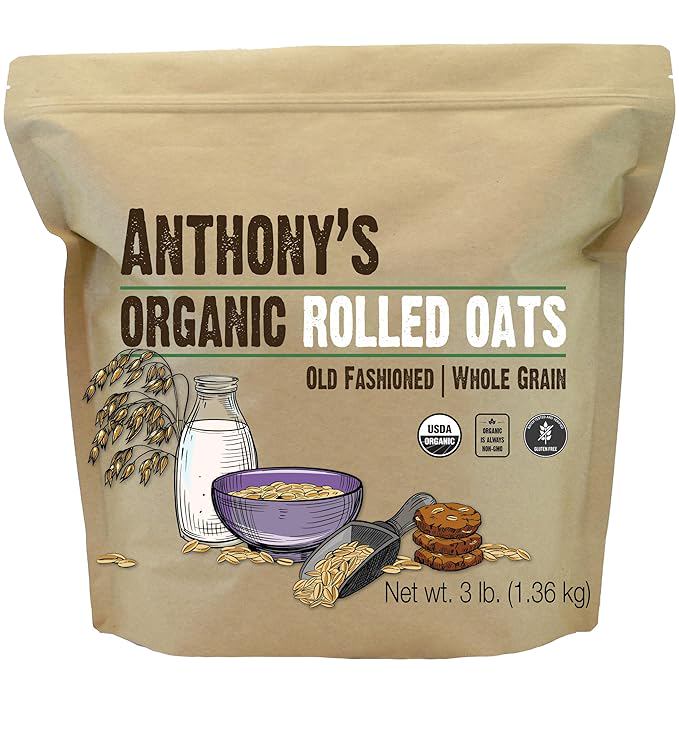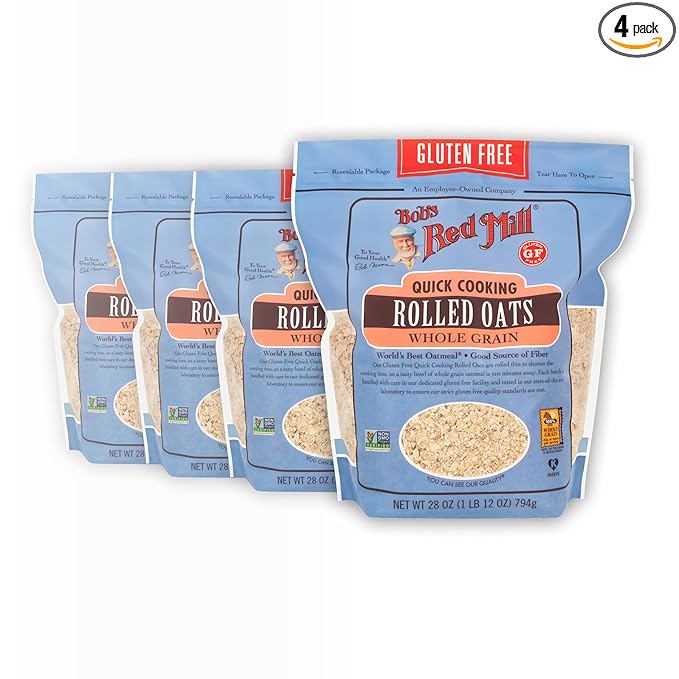
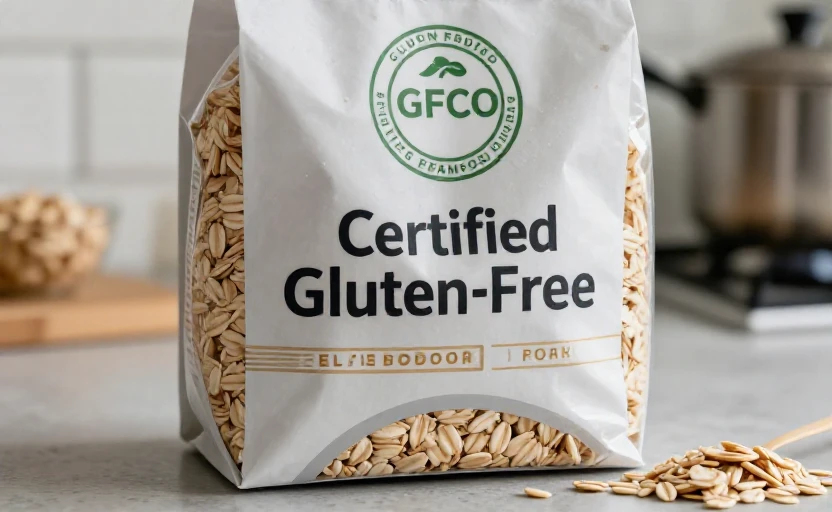
For anyone with celiac disease or a serious gluten sensitivity, the simple act of eating oats can feel like navigating a minefield. While oats are naturally gluten-free, they are frequently contaminated with wheat, barley, or rye during growing, harvesting, transporting, or processing. This is where certification labels come in—they’re your visual shorthand for safety. But not all labels are created equal, and understanding what they truly guarantee is the key to making confident, safe choices.
This guide will walk you through the most common certification labels you’ll find on packages of gluten-free oats, explaining what each one means, who stands behind it, and how they help ensure the product in your pantry is as safe as it claims to be.
Why Can’t I Just Trust “Gluten-Free” on the Package?
In many countries, including the United States, the term “gluten-free” on packaged foods is regulated. The FDA requires that foods bearing this label contain less than 20 parts per million (ppm) of gluten. This is a crucial safety standard for the vast majority of people with celiac disease.
However, for a product like oats, which are so susceptible to cross-contact, some individuals and organizations advocate for an even stricter standard. A third-party certification goes beyond the basic legal requirement. It means the manufacturer has invited an independent organization to audit their entire supply chain—from the seed source to the field to the processing facility—to verify and document that rigorous protocols are in place to prevent contamination at every single step.
Think of it this way: the “gluten-free” label is a promise, while a certification seal is a promise that’s been thoroughly checked and verified by an outside expert.
A Guide to Common Certification Labels
When you’re scanning the grocery store shelf, these are the seals you’re looking for. Each represents a different organization with its own testing protocols and standards.
Gluten-Free Certification Organization (GFCO)
Recognized by its distinctive “GF” inside a circle, the GFCO seal is one of the most common and trusted in North America. Operated by the Gluten Intolerance Group (GIG), its standard is stricter than the FDA’s: it certifies products containing 10 ppm of gluten or less, which is half the legal limit. The GFCO requires annual inspections and ongoing testing of both ingredients and finished products.
Certified Gluten-Free by NSF
NSF International is a global public health organization. Their “Certified Gluten-Free” mark indicates the product has been tested and meets the FDA standard of less than 20 ppm. NSF’s process involves a detailed review of ingredients, facility audits, and product testing. This seal is a strong indicator of a rigorously controlled process.
The Celiac Support Association (CSA) Recognition Seal
The CSA, a respected patient advocacy group, has its own recognition program. Their seal means the product contains 5 ppm of gluten or less—one of the most stringent standards available. Earning this seal involves a thorough application process where the manufacturer must provide extensive documentation on sourcing and testing protocols that meet the CSA’s strict criteria.
Beyond Celiac’s Gluten-Free Certification Program
Administered by the Beyond Celiac organization, this program certifies products at 10 ppm or less. It includes an audit of manufacturing practices and requires that products be tested regularly at an ISO 17025 accredited laboratory, which is a specific quality standard for testing labs.
What About “Purity Protocol” Oats?
You may also see the term “purity protocol” on oat packaging. This isn’t a certification seal, but a farming and processing method. Purity protocol oats are grown in fields dedicated solely to oats (not rotated with wheat, barley, or rye), harvested with dedicated equipment, and processed in a dedicated gluten-free facility. They are inherently designed to avoid cross-contact from the very beginning.
Many purity protocol oat producers also pursue one of the certifications above to provide an extra layer of verification. If you see both “purity protocol” and a certification seal, it represents the gold standard in oat safety.
How to Use This Knowledge at the Store
Your new understanding of labels turns a confusing shopping trip into a quick, confident check. Here’s a simple approach:
- First, look for a certification seal. Find the GFCO, NSF, CSA, or Beyond Celiac mark on the package. This is your primary signal of verified safety.
- Second, read the ingredient list. It should say “gluten-free oats.” If it just says “oats,” be cautious, even if the product is labeled gluten-free. The manufacturer should be specifying the source.
- Third, consider your personal sensitivity. If you are highly sensitive, you might prioritize products with the strictest standards (like CSA’s 5 ppm) or those that are both purity protocol and certified.
Remember, when in doubt, you can always visit the certifying organization’s website. Most maintain a searchable database of all the products they certify, which can be a helpful tool for planning your shopping.
Choosing safe, gluten-free oats doesn’t have to be a source of anxiety. By learning to recognize and trust these independent certification labels, you empower yourself to bring home oats that support your health and well-being, allowing you to enjoy their nutritional benefits with true peace of mind.