You apply your sunscreen diligently, wear a hat on sunny days, and yet, those stubborn sun spots seem to linger or even darken. It’s a frustrating experience, one that can make you wonder what else might be at play. While sun exposure is the primary driver, the foods you reach for between meals could be quietly influencing your skin’s pigment response, making it more vulnerable to discoloration.
This isn’t about blaming your snacks or promoting a restrictive diet. It’s about understanding a subtle biochemical conversation happening within your skin. Certain common foods can, for some people, make skin cells more photosensitive—meaning they become more reactive to UV light. When this internal environment meets external sun, it can amplify the production of melanin, leading to more pronounced or persistent dark spots.
What’s the food-sun spot connection?
To grasp how snacks play a role, it helps to understand phototoxicity. This is a skin reaction that occurs when a substance makes your skin more sensitive to ultraviolet radiation. While we often think of this in terms of topical ingredients or medications, certain dietary compounds can have a similar, though typically milder, systemic effect.
The process often involves molecules that, once ingested and circulating in your body, absorb UV light. This absorbed energy can then be transferred, creating free radicals and triggering inflammation in the skin. This inflammatory signal can kick melanocytes—the pigment-producing cells—into overdrive, especially in areas already damaged by prior sun exposure. The result isn’t an instant sunburn, but a gradual deepening of existing hyperpigmentation or a greater likelihood that new spots will form with sun exposure.
Three common snacking mistakes that may affect your skin
These aren’t “bad” foods, and their effect varies greatly from person to person based on genetics, skin type, and overall sun exposure. The goal is awareness, not alarm.
1. Overdoing citrus and celery (and other psoralen-rich foods)
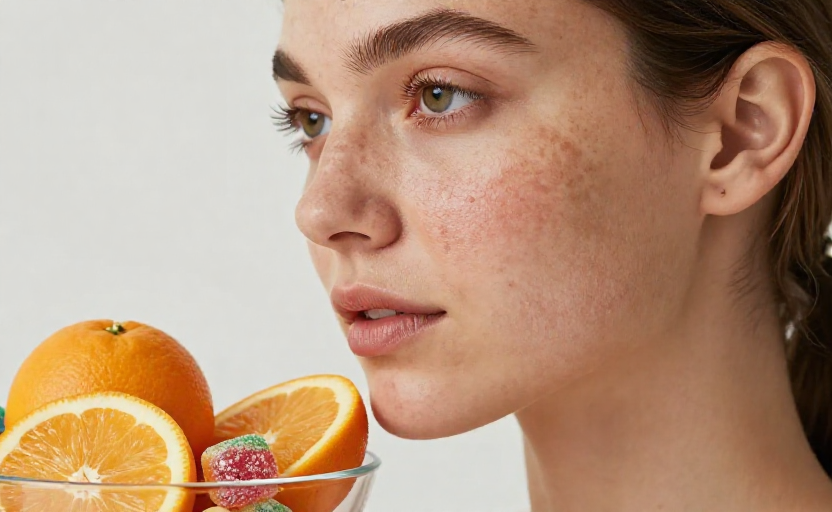
This might be the most surprising one. Foods like limes, lemons, grapefruit, celery, parsley, and figs contain natural compounds called furanocoumarins, notably psoralen. These are potent phytochemicals that can increase skin’s sensitivity to UVA light.
Think about the classic warning of getting a “margarita burn”—a phytophotodermatitis reaction from lime juice on the skin in the sun. When consumed in very large quantities, these compounds can have a systemic, though much less intense, photosensitizing effect. Enjoying a grapefruit half at breakfast is fine for most. The mistake is in the volume and timing: consistently consuming large juices or smoothies packed with these ingredients right before spending significant time in the sun.
It’s the chronic, high intake paired with sun exposure that can subtly influence melanin production over time.
2. Relying on sugary, processed picks
The connection here is indirect but powerful. High-glycemic snacks—think candy bars, sugary granola bars, chips, and sweetened drinks—cause a rapid spike in blood sugar and insulin. This spike fuels a process called glycation, where sugar molecules bind to proteins like collagen and elastin, forming advanced glycation end products (AGEs).
AGEs degrade collagen and promote chronic, low-grade inflammation throughout the body, including the skin. Inflamed skin is more reactive and less resilient. When this inflamed, glycation-weakened skin is hit with UV rays, its defense and repair systems are already compromised. The pigment-producing cells may respond more aggressively to the damage, laying down more melanin as a flawed defense mechanism, which manifests as darker, more stubborn spots.
3. Skipping protective nutrients
This mistake is one of omission. When snacks displace whole foods, you might miss out on key nutrients that actively help your skin manage sun exposure and repair damage. The absence of these allies can leave your skin more vulnerable.
- Antioxidants (Vitamin C, E, Polyphenols): These neutralize the free radicals generated by UV exposure. A snack devoid of antioxidants—like a plain bag of chips—offers no help in this fight, allowing oxidative stress to trigger more pigment production.
- Healthy Fats: Omega-3 fatty acids (found in walnuts, chia seeds) help maintain the skin’s lipid barrier and have anti-inflammatory properties. A robust barrier and calm skin are better equipped to handle environmental stress.
Choosing a snack with no nutritional value is a missed opportunity to arm your skin from the inside.
Building a more skin-aware snacking habit
You don’t need to eliminate any food groups. The strategy is about mindful pairing and timing.
First, consider the timing of psoralen-rich foods. Enjoy your citrus, celery juice, or parsley-heavy dish in the evening or on days when you’ll be mostly indoors. This gives your body time to process those compounds before your next significant sun exposure.
Second, balance is your best tool. If you have a sugary treat, pair it with a source of fiber, healthy fat, or protein to blunt the blood sugar spike. Better yet, reach for snacks that inherently contain skin-supportive nutrients:
- A handful of mixed berries and walnuts.
- Carrot sticks with hummus.
- Plain yogurt with a sprinkle of cinnamon and a few dark chocolate chips.
- A green tea instead of a soda.
These choices provide antioxidants, healthy fats, and polyphenols that support your skin’s natural resilience.
Finally, and most importantly, this dietary awareness complements sun protection; it never replaces it. Topical sunscreen, protective clothing, and seeking shade remain the non-negotiable foundations for preventing sun spots. Think of your snack choices as a supportive internal layer of defense, helping your skin be less reactive when it inevitably encounters the sun.
By understanding these connections, you can make informed choices that support your skin’s health from the inside out, helping those sun spots fade into the background for good.