If you live with fine hair, you know the struggle: no matter how many masks, serums, or conditioners you try, frizz and dryness seem to have a permanent seat at the table. You might assume you need more moisture—but what if the real issue is a lack of protein?
Fine hair strands are naturally more delicate than their coarse counterparts. When you skip protein in your hair care routine, those fragile strands lose their structural integrity. The cuticle lifts, moisture escapes, and what you're left with is frizz that no amount of oil can tame. Here's what's actually happening—and how to fix it without a kitchen counter full of products.
Why protein matters for fine hair
Your hair is made mostly of a protein called keratin. Think of it as the scaffolding that gives each strand shape, strength, and resilience. When that scaffold is weak—either from genetics, heat styling, chemical treatments, or simply age—the hair becomes porous. Porous hair absorbs moisture from the air, which swells the shaft and leads to that telltale frizz. It also loses moisture just as quickly, leaving the ends dry and brittle.
For people with fine hair, the problem is compounded. Each strand has a smaller diameter, so there's less structural material to begin with. Without adequate protein reinforcement, the hair simply cannot hold its shape or retain hydration. The result? A frustrating cycle of applying heavy moisturizers that sit on the surface (weighing hair down) while the underlying weakness remains untouched.
The protein-moisture balance
Healthy hair requires a balance of protein and moisture—it is not an either-or situation. If your fine hair feels straw-like, stretches excessively when wet, or breaks easily, it may be crying out for protein. If it feels limp, gummy, or overly soft after protein treatments, you are overdoing it. The sweet spot lies in using a protein treatment once a week or every other week, depending on how much manipulation your hair endures.
Look for ingredients like hydrolyzed keratin, wheat protein, soy protein, or amino acids in your shampoo and conditioner. These are small enough to penetrate the hair shaft rather than just coat it. Products labeled for damage repair often include these, but you can also find targeted protein treatments that are applied before conditioning. Just be sure to follow up with a lightweight moisturizer, because protein alone cannot replace hydration—it gives the structure, and moisture gives the slip.
Fine hair needs protein to keep its structure, but too much can make it stiff. The trick is a weekly treatment, not a daily habit.
How to identify a protein deficiency in your hair
Before buying anything, take a close look at your hair's behavior. The most common signs of insufficient protein in fine hair include:
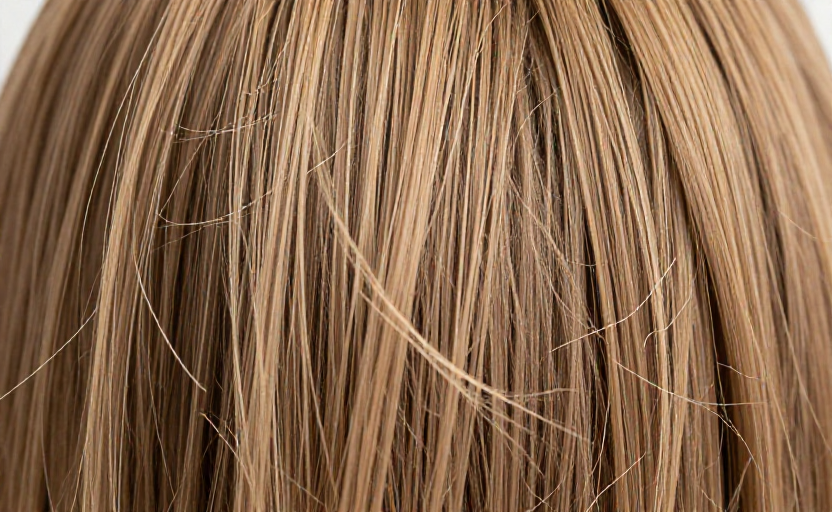
- Excessive frizz that looks like a halo of flyaways, even in low humidity.
- Dry, crunchy ends that snap off easily when you run your fingers through them.
- Limp curls or waves that don't hold their shape after washing.
- Stretching when wet—gently pull a single strand; if it stretches far before snapping, that's a protein issue.
One quick test: take a strand of clean, dry hair and try to break it. If it tears unevenly or feels like cotton, you likely need more protein. If it breaks cleanly with a sharp snap, your protein levels may be adequate or even high.
Dietary protein and hair health
Topical treatments are only part of the equation. Your body needs a steady supply of dietary protein to build keratin for hair growth. If you are not eating enough high-quality protein—lean meats, eggs, fish, legumes, dairy, or plant-based complete proteins—your hair will eventually show it. Fine hair can become even finer as the body prioritizes other organs over hair follicles during protein scarcity.
That doesn't mean you need to drastically change your diet overnight. But if your hair feels persistently weak despite topical care, take a look at your lunch and dinner plates. Aim for a palm-sized portion of protein at each meal, and consider adding a collagen or hydrolyzed protein supplement if you are vegetarian or vegan.
Practical steps to restore strength and reduce frizz
Start small. Swap out your current shampoo for one that lists a hydrolyzed protein (like keratin or wheat protein) within the first five ingredients. Use it twice a week, focusing on the mid-lengths and ends rather than the scalp. Follow with a lightweight, silicone-free conditioner that still contains amino acids or proteins.
Once a week, do a protein mask. Apply it to damp, clean hair, leave it on for the time specified on the package (usually 10–20 minutes), and rinse thoroughly. Avoid heat styling on protein-treatment days, because heat can lock the protein in too tightly, making hair stiff.
On non-protein days, use a gentle moisturizing shampoo and conditioner. Fine hair benefits from co-washing (washing with conditioner only) occasionally, but only if you choose a conditioner that has some protein content.
Finally, be patient. Protein treatments do not instantly erase dryness or frizz. You may see improvement after two to three sessions—and consistent use will gradually reinforce the hair shaft, reducing breakage and improving how your hair responds to humidity.
Common protein sources in hair products for fine hair
- Hydrolyzed keratin — fragments of natural keratin that can penetrate the cortex.
- Hydrolyzed wheat protein — light and well-suited for fine textures.
- Hydrolyzed soy protein — adds body and volume.
- Amino acids — the building blocks of protein; very easy to incorporate into routine products.
- Collagen — often found in masks; provides film-forming properties.
When to seek professional advice
If you have been consistent with protein treatments for a month and see no change—or if your hair feels worse—it may be a sign of a deeper issue. Conditions like hypothyroidism, iron deficiency, or hormonal changes can produce similar symptoms in fine hair. A dermatologist or trichologist can run blood work to rule out medical causes. Always listen to your body before you commit to any product routine.