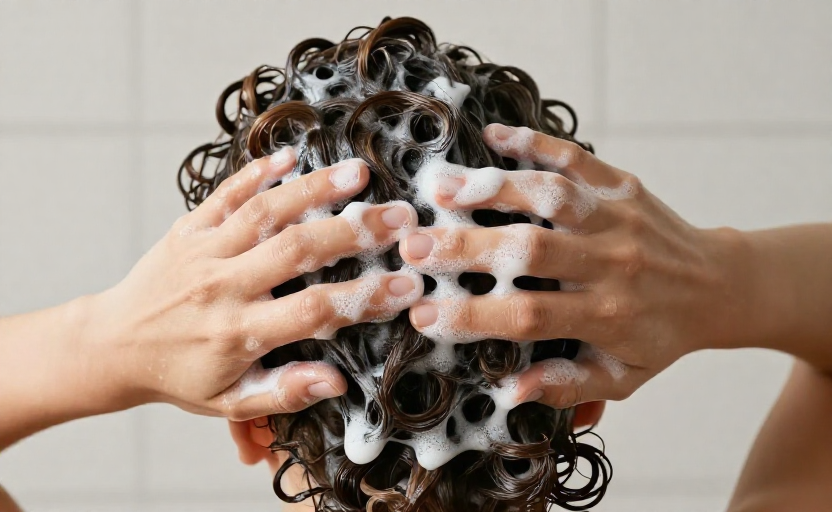
Curly hair demands a certain gentleness that many of us forget, especially in the shower. When dandruff appears with rings of dry flakes, the natural urge is to scrub harder. However, if you have textured curls, that vigorous rubbing can actually make the dandruff worse. In fact, a heavy-handed wash routine is one of the most common mistakes I see in curly hair care.
Let me break this down. The tension and friction from aggressive scrubbing can inflame a sensitive scalp, stripping natural oils and breaking the delicate moisture barrier. For curly textures, which are already more prone to dryness, this leads to a cycle of irritation and flaking that no medicated shampoo can fix if the scrubbing continues.
Why aggressive scrubbing inflames the curl scalp
The scalp is an extension of your facial skin, and curly hair often sits on a scalp that's naturally drier due to the difficulty of sebum traveling down coiled strands. When you rub hard with fingernails or scrub in circles with too much force, you are essentially causing micro-trauma. This triggers inflammation, which the body responds to by shedding skin cells rapidly—those telltale white flakes.
For those with dandruff caused by a yeast-like fungus (Malassezia), scrubbing too hard can actually spread the irritation. It disrupts the scalp's microbiome and pushes the flakes deeper into the hairline instead of gently loosening them.
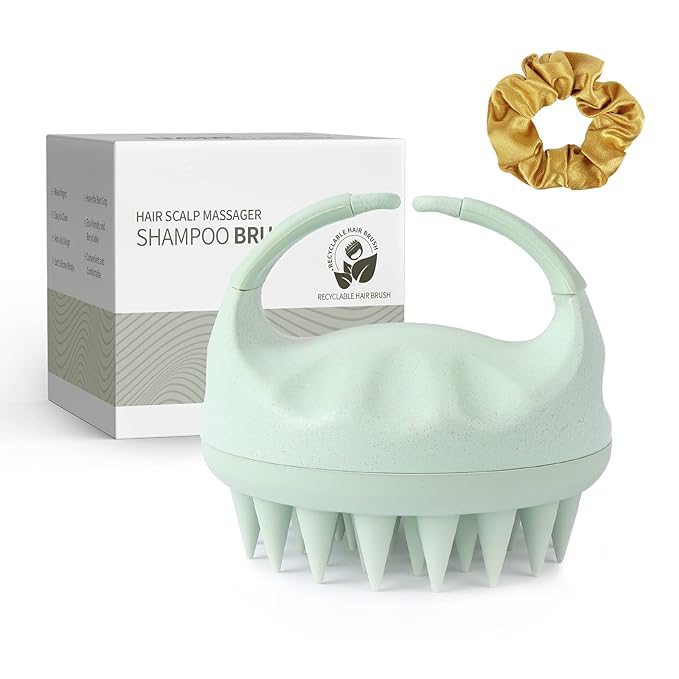
A gentler rule: Use the pads of your fingers, not your nails. Massage in small, slow circles with light pressure for at least 60 seconds. This stimulates circulation without abrading the skin.
How washing frequency changes for curls
Another counterintuitive factor is how often you wash. Many people with curly hair stretch washes to once a week to retain moisture, but if you have active dandruff, this can allow oil and dead skin to build up. The solution isn't more scrubbing—it's more frequent, gentle cleansing with the right product.
If you wash once a week and scrub hard to compensate for the buildup, you're damaging the scalp. Instead, try a gentle, sulfate-free dandruff shampoo twice a week, focusing only on the scalp. Let the suds run over the lengths as you rinse. This keeps the scalp clean without stripping curl patterns.
The right technique: washing without the rub
Let's walk through a safer method for curly hair with dandruff. First, detangle your hair before you wash, while it's dry. This prevents the need for rough manipulation later. Wet your hair completely, then apply a dandruff shampoo (preferably one with pyrithione zinc or salicylic acid) only to your scalp.
Using the pads of your fingers, move in small circles—no larger than a quarter coin. Do not slide your hands down the hair shaft. Rinse thoroughly with lukewarm water, as hot water worsens scalp dryness. Follow with a lightweight conditioner on the ends only, avoiding the scalp area.
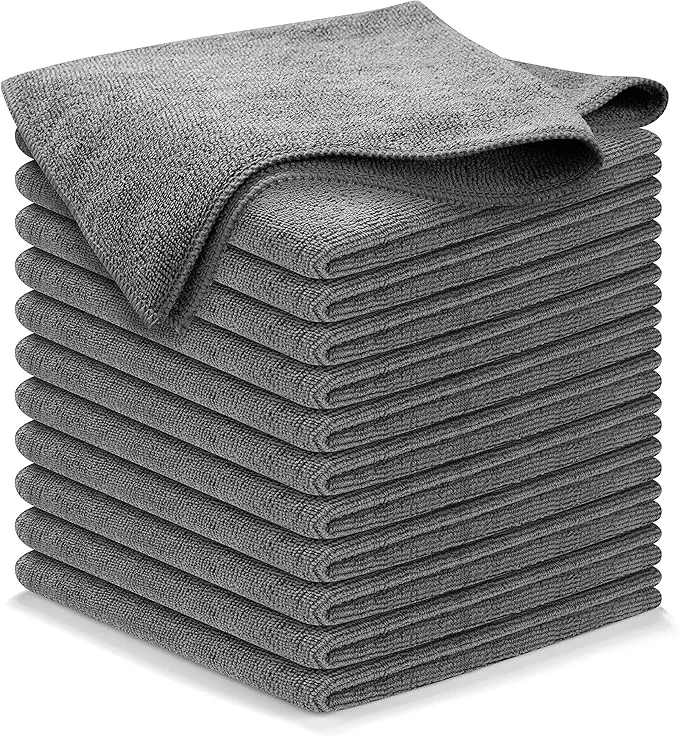
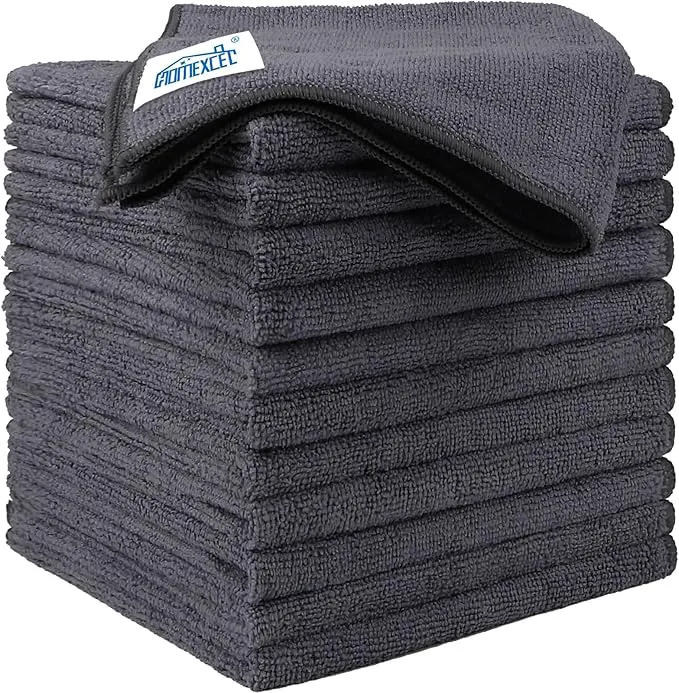
One more tip: after washing, blot your curls with a microfiber towel or a cotton T-shirt. Never rub your hair dry with a terry towel. That friction is exactly what aggravates the scalp and causes frizz simultaneously.
What about co-washing and dandruff?
Conditioner-only washing (co-washing) can be fine for maintaining moisture, but it does not effectively remove dandruff-causing buildup or fungus. If you co-wash, you should follow it with a gentle scalp rinse or a diluted apple cider vinegar rinse once a week to rebalance pH and dissolve flakes without scrubbing.
When to see a dermatologist
If you have tried gentler washing techniques for three to four weeks and the dandruff persists or worsens, consult a dermatologist. Sometimes what looks like dandruff is actually seborrheic dermatitis, scalp psoriasis, or a fungal infection that needs prescription treatment. It is also worth noting that a diet low in zinc and B vitamins can contribute to flaking, so consider a broad wellness approach.
Key reminder: Scrubbing harder does not equal cleaner. For curly hair, lighter pressure, more frequent gentle washes, and proper rinsing are the actual solution.
In short, stop treating your curls like a scrub brush. Respect the texture, go easy on the scalp, and let the products do the work. Your curls will be less flaky, less frizzy, and far healthier.