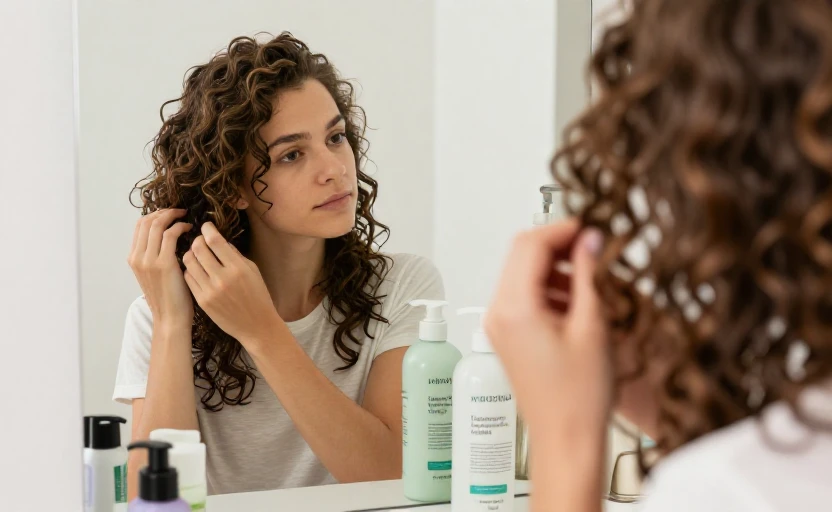
For those with curls, coils, and waves, finding a haircare rhythm can feel like a constant experiment. A routine that leaves one head of hair bouncy and defined might leave another feeling dry, frizzy, and limp. Often, the culprit isn't the products you're using, but the frequency with which you're reaching for the shampoo bottle. Over-washing is a surprisingly common misstep for curly hair types, one that can strip away the natural moisture and oils your texture desperately needs to thrive.
Curly hair, by its very structure, has a harder time retaining moisture. The twists and turns of each strand make it difficult for natural oils produced at the scalp to travel down the hair shaft. This inherent dryness means our hair's needs are fundamentally different from straighter textures. Washing too often can reset your hair to a state of vulnerability, removing those precious oils before they have any chance to benefit your lengths.
Why Curly Hair Needs a Different Washing Schedule
Think of your scalp's natural oils (sebum) as a built-in conditioner. For straight hair, this oil slides easily from root to tip. For curly hair, the journey is a struggle. The result? A scalp that may feel oily while the ends of your hair feel parched. The instinct is to wash away the scalp oil, but this often exacerbates the dryness along the length.
Over-washing disrupts your hair's natural balance. It can lead to a cycle where your scalp, in an attempt to compensate for being stripped, produces more oil, making it feel greasy faster. Meanwhile, the main body of your hair becomes increasingly dehydrated, leading to brittleness, breakage, and a frizzy, lackluster appearance.
The goal for curly hair isn't to be 'squeaky clean'—it's to be balanced, hydrated, and defined.
Signs You Might Be Washing Your Curls Too Often
How can you tell if your washing routine is working against you? Your hair will send clear signals. Listen to what it's saying between wash days.
- Constant Dryness and Frizz: No matter how much conditioner or cream you apply, your hair never feels truly soft or hydrated. It's perpetually thirsty and prone to a frizzy halo.
- Lack of Definition: Your curls won't clump together into defined ringlets or waves. Instead, they separate into a fuzzy, undefined mass.
- Dullness and Brittleness: Your hair lacks shine and feels rough to the touch. You may notice more breakage and split ends than usual.
- Your Scalp Feels Tight or Itchy Post-Wash: This can be a sign that your shampoo is too harsh or you're washing so frequently that your scalp is becoming irritated and dry.
- Your Style Falls Flat Quickly: Your beautifully defined wash-day style loses its shape and volume unusually fast, often by the next day.
Finding Your Curly Hair Sweet Spot
There's no universal magic number for how often to wash curly hair. It depends on your curl pattern, density, porosity, activity level, and even the climate you live in. However, for most curly types, washing every day is almost certainly too much.
A good starting point is to aim for washing once every 3 to 4 days. Some people with very dry, coarse, or coily textures may find their hair looks and feels best with just one wash per week. The key is to stretch the time between washes not by suffering through greasy roots, but by using techniques that refresh and maintain your style.
How to Refresh Your Curls Between Washes
Extending your wash cycle is about smart maintenance, not neglect. On non-wash days, you can revive your curls with minimal effort.
Start by lightly spritzing your hair with water from a spray bottle—just enough to dampen it, not soak it. Then, apply a small amount of a leave-in conditioner or curl refresher spray to your palms, emulsify with a little more water, and gently scrunch or smooth the product onto your sections. This re-activates the stylers from your previous wash and adds a burst of hydration. For targeted frizz, you can use a tiny dab of styling cream or gel on just the problem areas.
Refresh, don't reset. A little water and product can revive your curls without a full wash.
Choosing the Right Cleanser for Your Routine
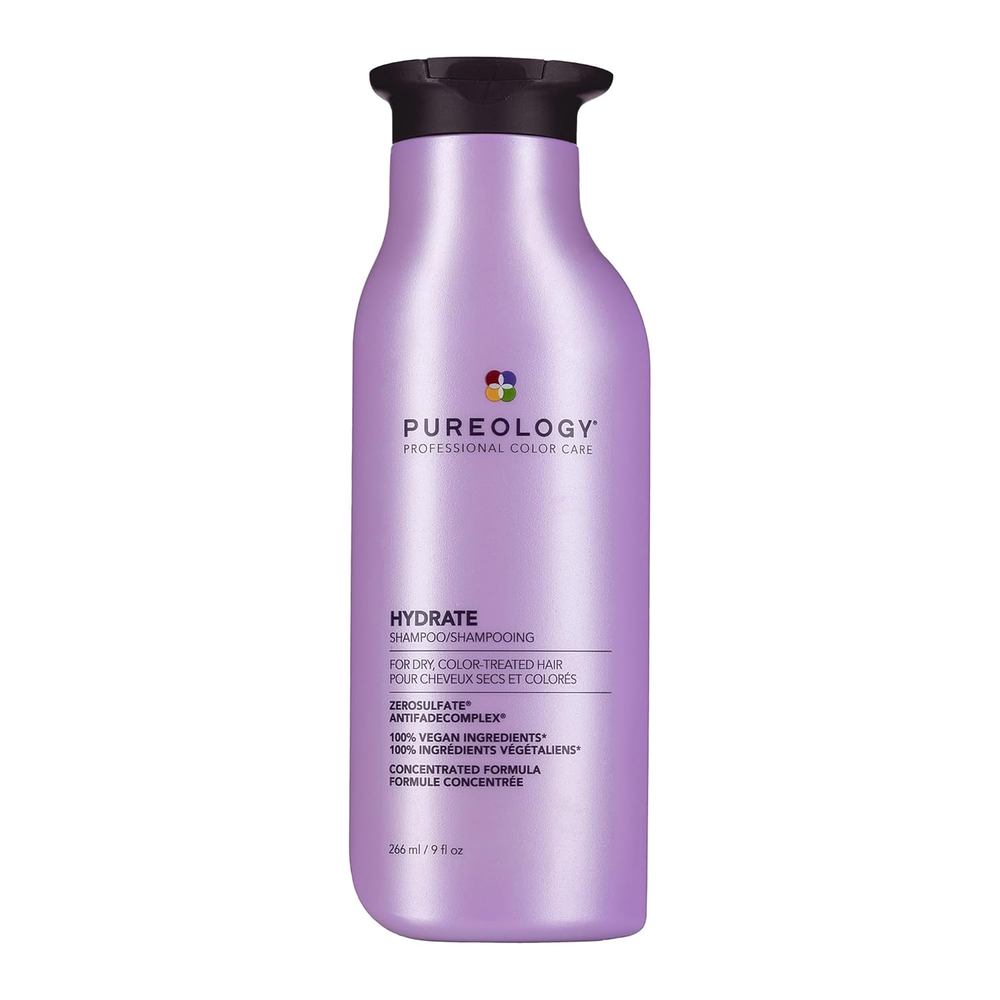
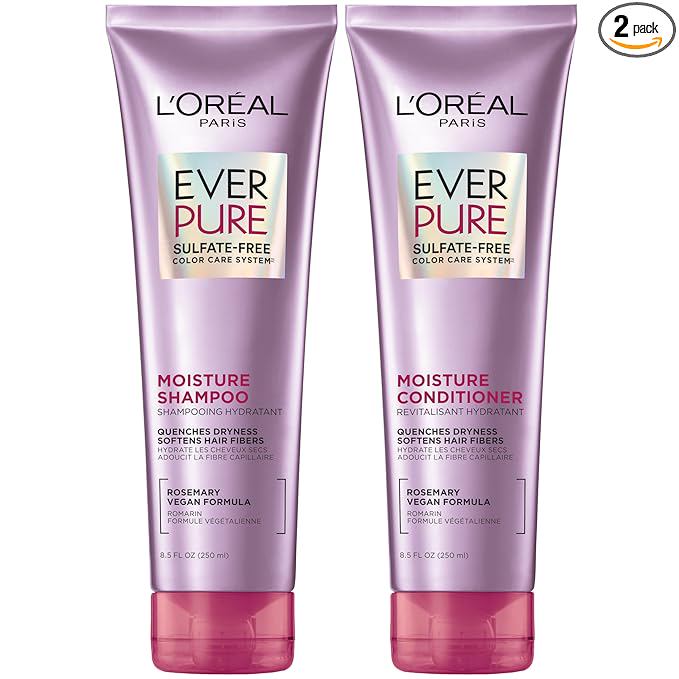
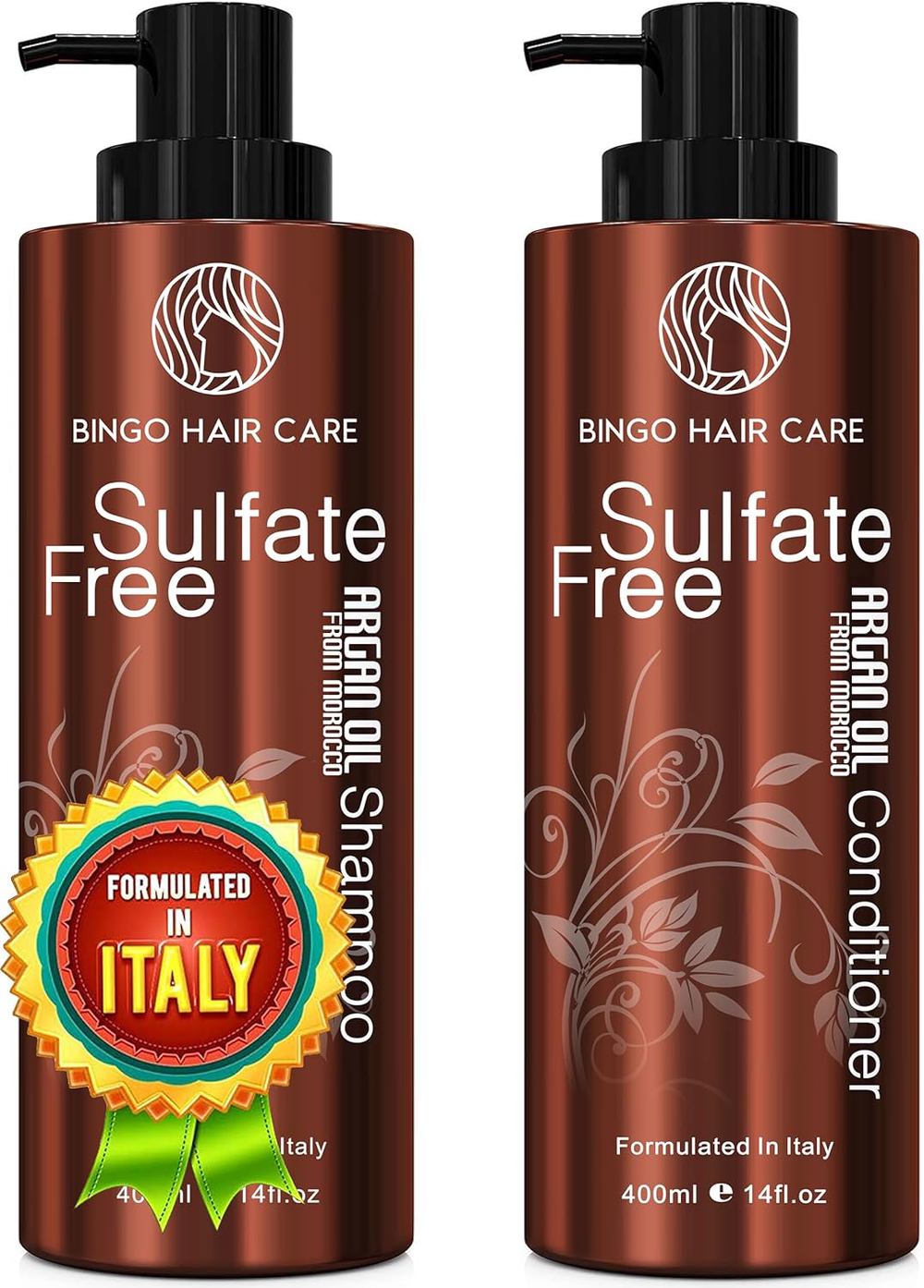
When you do wash, the type of cleanser matters immensely. Consider incorporating a gentle, sulfate-free shampoo or a co-wash (cleansing conditioner).
- Sulfate-Free Shampoos: These clean the hair and scalp without the harsh lathering agents that strip natural oils. They provide a gentle cleanse that's suitable for most wash days.
- Co-Washes: These are conditioner-based cleansers that use mild surfactants to lift dirt and product buildup while depositing moisture. They are excellent for very dry, coarse, or high-porosity hair and can be used to extend time between traditional shampooing.
A helpful strategy is to alternate between a sulfate-free shampoo and a co-wash, or to use shampoo only on your scalp while letting the suds run through the lengths, rather than aggressively scrubbing them.
Re-evaluating your wash frequency is one of the most powerful, yet simple, changes you can make in your curly hair journey. It allows your hair's natural moisture balance to restore itself, leading to curls that are more resilient, defined, and ultimately healthier. Pay attention to your hair's unique language, be patient as it adjusts, and you may find that washing less is the secret to having more—more shine, more bounce, and more confidence in your beautiful texture.