If you’re struggling with an oily scalp, your first instinct might be to wash your hair more frequently. It seems logical—remove the grease, feel fresh. But what if that very routine is the reason your scalp feels slick again just hours later? The relationship between washing and oil production is more nuanced than a simple cause-and-effect, and over-cleansing can inadvertently trigger the problem you’re trying to solve.
Your scalp is a living ecosystem. Tiny glands, called sebaceous glands, produce a natural oil called sebum. This isn’t an enemy; it’s essential. Sebum moisturizes your scalp, protects your hair shaft, and helps maintain a healthy skin barrier. The system is designed to self-regulate, keeping a balanced amount of oil on the surface.
How Over-Washing Disrupts Your Scalp's Balance
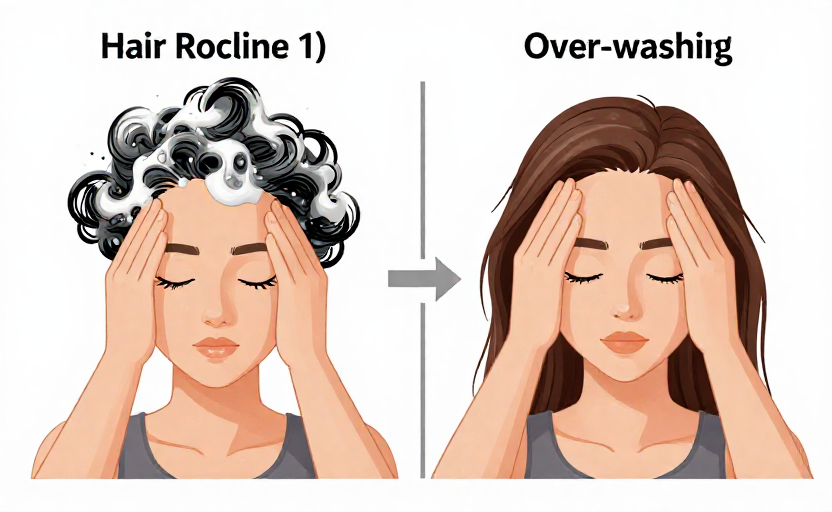
When you wash your hair with a strong shampoo, especially one formulated to deeply cleanse or remove oil, you strip away all the sebum. Your scalp registers this sudden absence as a deficit. In response, the sebaceous glands can go into overdrive, producing more oil to replenish what was lost. This creates a cycle: you wash to remove oil, your scalp produces more oil to compensate, so you feel the need to wash again sooner.
Think of it like moisturizing your face. If you constantly use a harsh astringent that leaves your skin feeling tight and dry, your skin might respond by becoming oilier. The scalp operates on a similar principle. Frequent, aggressive washing can disrupt its natural equilibrium.
Stripping your scalp too often can signal it to produce more oil, not less.
Signs You Might Be Over-Washing
How can you tell if your routine is part of the problem? Look for these clues:
- Your hair feels oily within 12-24 hours of washing. This is a classic sign your scalp is compensating for being stripped.
- Your scalp feels tight, itchy, or flaky after washing, but gets greasy quickly. This combination can indicate a disrupted moisture barrier.
- You need to use more dry shampoo or styling products to manage oil between washes.
- Your hair lacks volume at the roots shortly after washing, weighed down by rapid oil production.
Finding a Healthier Washing Rhythm
Breaking the cycle requires patience and a shift in approach. The goal is to train your scalp to a new, less frequent rhythm, allowing its natural regulation to recalibrate. This doesn’t mean embracing greasiness; it means transitioning thoughtfully.
Start by gradually extending the time between washes. If you currently wash daily, try going every other day for a couple of weeks. On non-wash days, you can use a gentle, non-aerosol dry shampoo at the roots to absorb excess oil, or simply wear your hair in a loose style like a braid or ponytail.
When you do wash, focus the shampoo primarily on your scalp, massaging it gently with your fingertips—not your nails—to cleanse without abrasion. Let the suds run through the lengths of your hair as you rinse; this is often enough to clean the strands without applying more product directly to them, which can be drying.
Choosing the Right Products
Your product choices can support this transition. Look for shampoos labeled “balancing,” “gentle,” or “for frequent use.” These are typically formulated with milder surfactants that clean without being overly stripping. Clarifying shampoos, which are excellent for removing product buildup, should be used sparingly—once a week or every two weeks—not as your daily driver.
Incorporating a lightweight, scalp-friendly conditioner is also key. Apply it mainly to the mid-lengths and ends of your hair, avoiding the immediate root area if you are very oily. This hydrates your hair without overwhelming your scalp.
What Else Influences Scalp Oil?
While washing frequency is a major player, it’s not the only one. Other factors contribute to oil production:
- Hormones: Fluctuations, especially during puberty, menstrual cycles, or times of stress, can increase sebum production.
- Diet: Diets high in refined sugars and unhealthy fats may influence oil gland activity.
- Hair Type: People with naturally straight, fine hair often notice oil more quickly, as the sebum travels easily down the hair shaft. Curly or coarse hair textures can slow this distribution.
- Over-brushing: Excessive brushing can stimulate the scalp and spread oil from the roots down the hair strand more efficiently.
Listening to your scalp is the best guide. A healthy scalp shouldn’t feel painfully tight after washing, nor should it feel uncomfortably greasy a few hours later. It’s about finding the middle ground where your hair looks clean, feels comfortable, and retains its natural vitality. By reassessing your wash routine, you give your scalp the chance to find its own balanced rhythm again.