If you’re noticing more strands in your brush or a less dense ponytail, your first instinct might be to search for a miracle product. But sometimes, the very habits we adopt to manage fine, thinning hair can be the ones holding us back. The desire for volume, control, and a polished look can lead to a cycle of over-styling that quietly undermines hair health.
It’s a common and frustrating experience. You might be following good general advice—eating well, managing stress—yet still see little improvement. The culprit could be hiding in your daily routine, in the small, repeated stresses you place on fragile strands.
Why Over-Styling Is So Damaging for Fine Hair
Fine, thinning hair has a different structural reality than thick, coarse hair. Each individual strand has a smaller diameter, making it more vulnerable to physical stress. The cuticle, the outer protective layer, can be more easily lifted or damaged. When hair is already thinning, there’s simply less of it to distribute any damage across, so the impact of each tug, pull, or chemical process is magnified.
Over-styling isn’t just about using hot tools every day. It’s a cumulative effect that includes:
- Mechanical stress from tight hairstyles, rough brushing, or vigorous towel-drying.
- Thermal stress from frequent blow-drying, flat ironing, or curling without adequate protection.
- Chemical stress from color treatments, perms, or even certain styling products that build up and weigh hair down.
Fine hair needs a lighter touch. What works for thicker hair types can often be too much—too much product, too much heat, too much tension.
Common Over-Styling Mistakes to Rethink
1. The Tight Hold Fallacy
Reaching for maximum-hold sprays, gels, or mousses can seem like a logical way to add body and make styles last. However, these products often contain high levels of alcohols and polymers that can dry out the hair shaft and scalp. As they build up, they create a stiff, brittle environment that leads to breakage, especially at the roots and ends where hair is most fragile. The result is hair that looks controlled but feels like straw and snaps easily.
2. Heat as a Daily Habit
Blow-drying fine hair straight to smooth it or using hot tools to add volume is incredibly common. The problem is that fine hair reaches damaging temperatures faster. Without a robust heat protectant—and even with one—daily thermal styling slowly degrades the hair’s protein structure, leading to dryness, split ends, and a lack of elasticity. The hair may look styled momentarily but loses its natural strength and shine over time.
3. Aggressive Detangling
Wet hair is in its most elastic and vulnerable state. Yanking a brush or fine-tooth comb through knots from the roots down creates immense tension. This can literally pull hair from the follicle (a condition called traction alopecia) or cause mid-shaft breakage. For thinning hair, this kind of breakage makes the overall appearance of density worse, as shorter, broken hairs don’t contribute to the length or fullness.
4. Over-Washing and Harsh Cleansing
In an attempt to combat oiliness or product buildup, you might wash fine hair daily with a clarifying shampoo. While scalp hygiene is important, over-washing strips the scalp and hair of natural sebum, which is the only natural conditioner it has. This can trigger a rebound overproduction of oil and leave the hair shaft parched, frizzy, and more prone to static and breakage.
Building a Gentler Hair Care Ritual
The goal isn’t to abandon styling altogether, but to shift toward techniques that enhance your hair’s natural state while minimizing harm. Think of it as caregiving rather than controlling.
Start with a gentle cleanse. Choose a lightweight, sulfate-free shampoo that cleanses without stripping. Focus the lather on your scalp to remove buildup, and let the suds rinse through the lengths. Consider washing every other day or every two days to allow your scalp’s natural balance to stabilize.
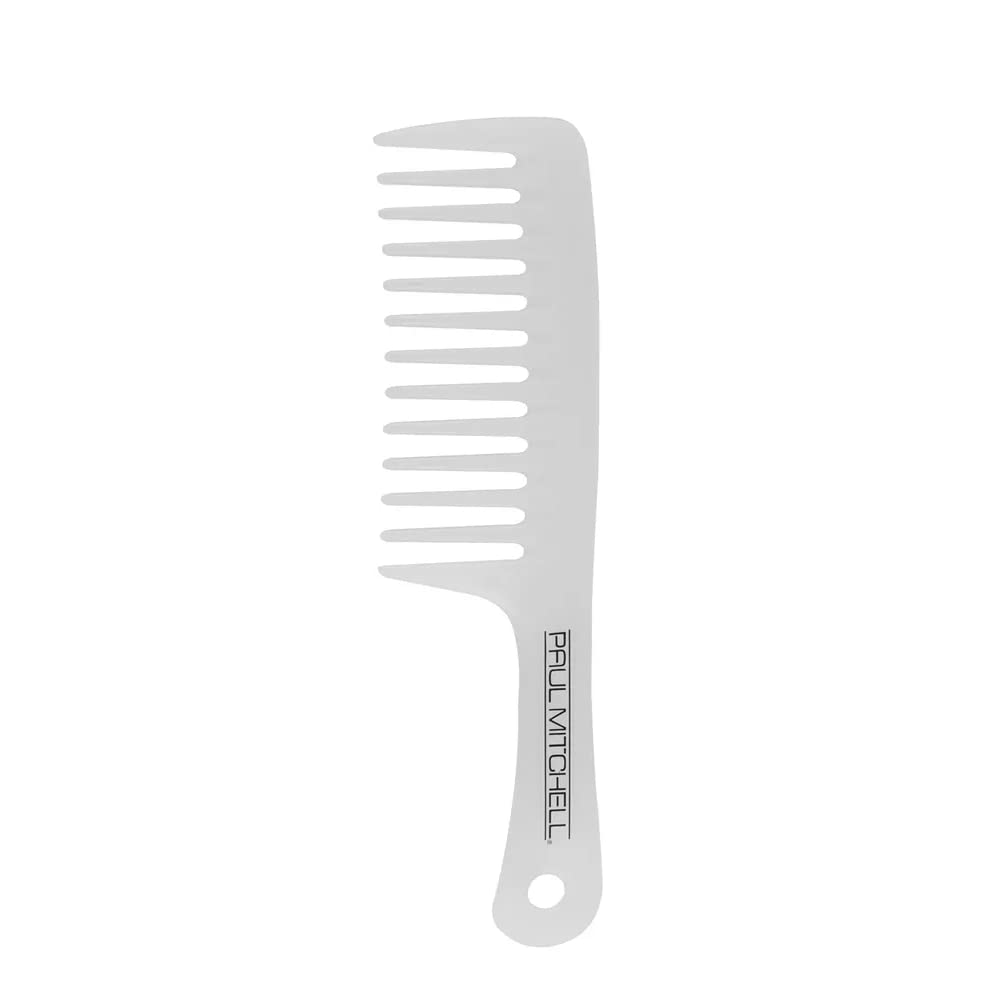
Detangle with patience. Always use a wide-tooth comb or a brush designed for wet hair. Start from the ends, gently working out knots, and gradually move up toward the roots. Do this after applying a leave-in conditioner or detangling spray for extra slip.
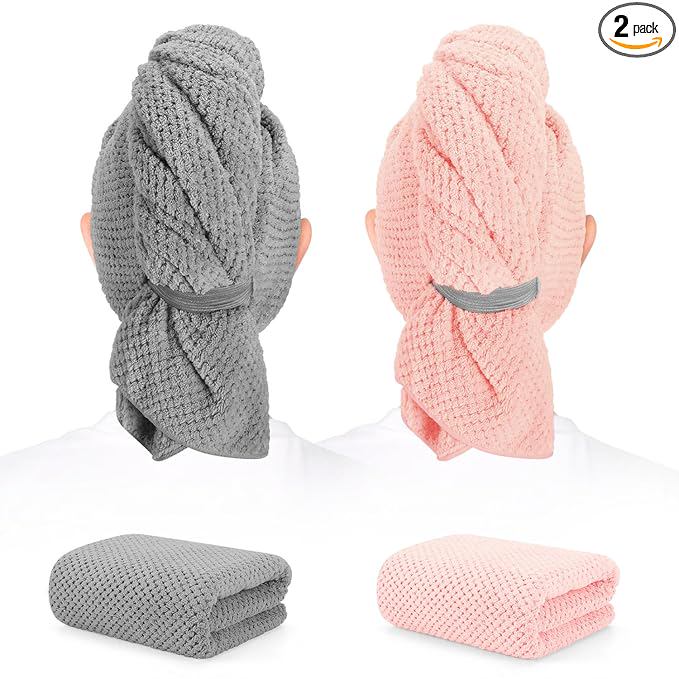
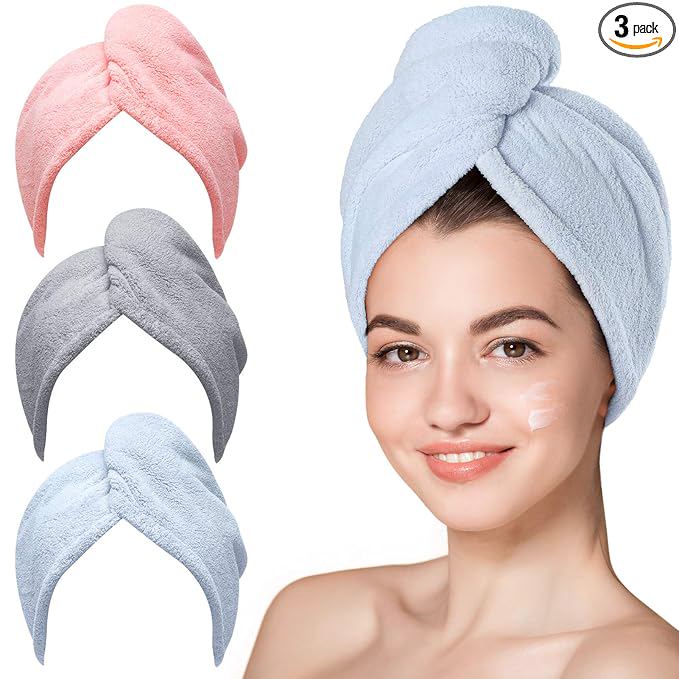
Embrace air-drying. Whenever possible, let your hair dry naturally. Gently squeeze out excess water with a microfiber towel or an old cotton t-shirt—these are far gentler than a rough terrycloth towel. If you must blow-dry, use the coolest setting and keep the dryer moving continuously.
Choose products that nourish, not just hold. Look for lightweight formulas—milk, serums, or light mousses—that offer light hold, heat protection, and hydration. Avoid products with a high alcohol content. The best products for fine hair add body by coating the hair shaft lightly to make it feel thicker, not by gluing it into place.
Your styling routine should leave your hair feeling soft and supple, not stiff or crunchy. That’s a good indicator you’re on the right track.
When to Seek a Professional Opinion
While adjusting your styling habits can make a significant difference, persistent thinning or sudden hair loss warrants a conversation with a dermatologist or trichologist. They can help rule out underlying medical conditions like hormonal imbalances, thyroid issues, or nutritional deficiencies that might be contributing to the problem. A professional can also assess your scalp health and recommend targeted treatments that work in tandem with a gentle home care routine.
Managing fine, thinning hair is often about subtraction, not addition. By identifying and easing up on over-styling habits, you remove a major source of daily damage. This allows your hair’s natural strength and health to become the foundation of your style, leading to hair that looks better because it genuinely is better.