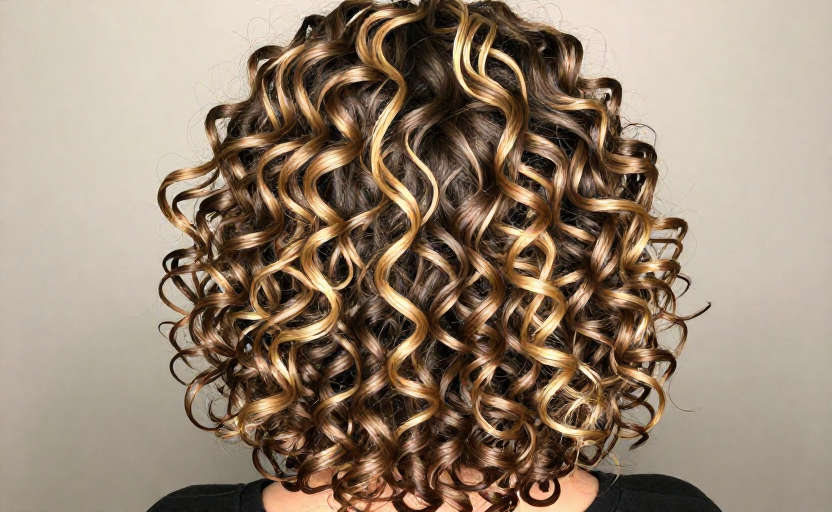
Color-treated curls demand a different kind of attention. You’ve invested time and money into that perfect shade, and the last thing you want is to see it fade, frizz, or become brittle. Yet many people unknowingly sabotage their colored hair by one common mistake: over-processing. This isn’t just about too many salon sessions—it’s often about what you do at home, day after day.
If your curls feel dry, look dull, or snap easily, you might be fall for this trap. Let’s unpack what over-processing really means for colored curls and how to spot it before your hair suffers.
What Counts as Over-Processing?
Over-processing happens when the hair’s protein structure and moisture balance get damaged beyond your usual styling. For color-treated hair, the cuticle is already lifted to let the color enter. If you keep adding chemical treatments, heat styling, or harsh products, the hair can’t recover. The result is a fragile, porous strand that loses its definition and sparkle.
Signs Your Colored Curls Are Over-Processed
Your curls will give you warning signs. Look out for these clues:
- Constant frizz that no amount of leave-in conditioner fixes. Over-processed hair can’t hold moisture, so it stays puffy and undefined.
- Sudden breakage, especially when brushing or towel-drying. If you see tiny hair pieces on your clothes, your hair is telling you it is weak.
- Color fading too quickly. A damaged cuticle lets color molecules escape, so your fresh shade turns dull or brassy within weeks.
- Limp, stretched-out curls that won’t hold their shape even with styling products. Healthy curls return after a wash; over-processed curls just flop.
If your hair feels mushy when wet or looks like it has no elasticity, that is a clear red flag.
The Over-Processing Habits to Cut
Too Many Chemical Services Too Close Together
Color, bleach, relaxers, and perms all change the hair’s internal bonds. Doing two of these within weeks—or even months—can overload the hair. Even if you only color your roots, the overlapping chemicals add up. Space out chemical services by at least six to eight weeks. Stretching your schedule lets the hair rebuild its strength.
Heat Styling Without Protection
Curly hair is already prone to dryness. Add a curling iron, flat iron, or blow dryer on high heat, and you’re cooking the color molecules out. Always use a heat protectant spray or cream, and keep the temperature below 350°F (175°C) for colored hair. Air-dry or use a diffuser on cool to low heat whenever possible.
Harsh Shampoos and Too-Frequent Washing
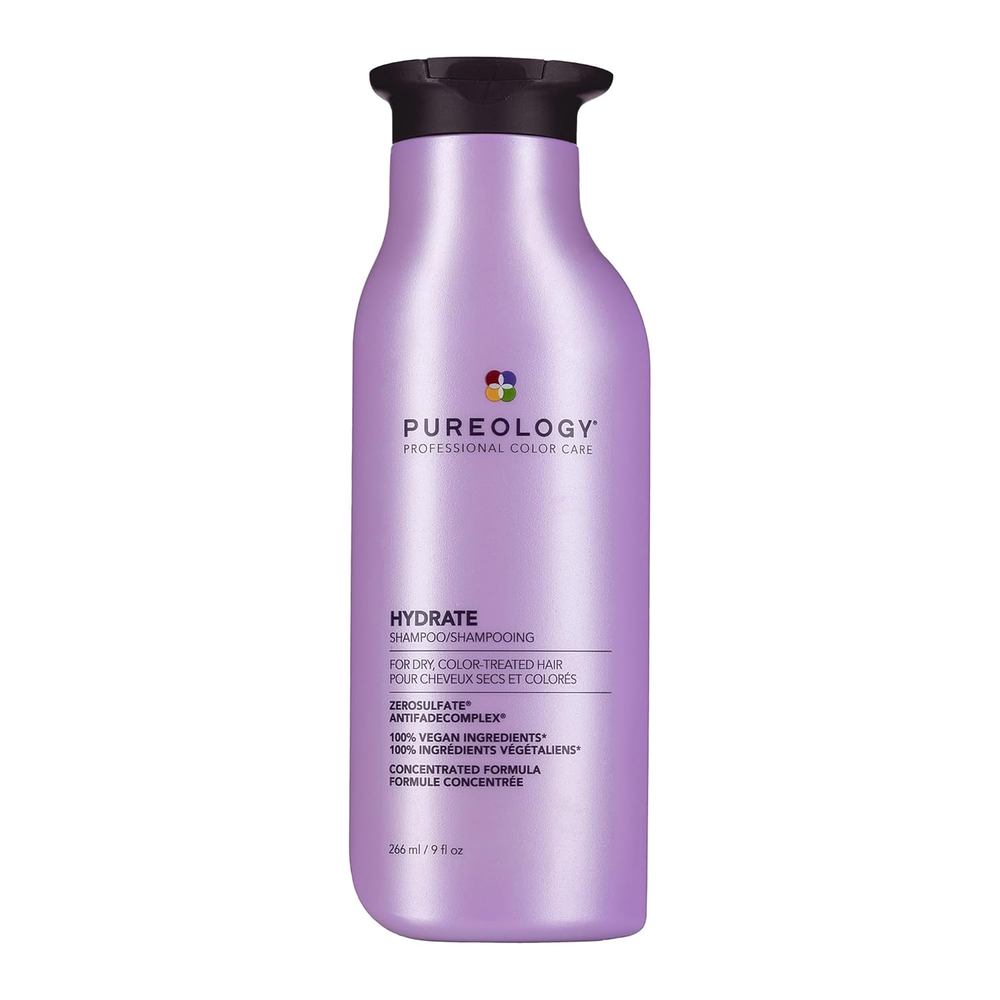
Many shampoos contain sulfates that strip both natural oils and hair color. Washing every day only speeds up color loss and dries out curls. Switch to a sulfate-free, color-safe shampoo and wash no more than two to three times per week. Use co-washing (cleansing conditioner) between washes to refresh your scalp without over-stripping your hair.
Remember: over-processed hair doesn’t just need more moisture—it needs a break.
How to Restore Over-Processed Colored Curls
Once you recognize the signs, you can start repairing. But caution: you can’t fully heal chemically damaged hair—it has no living cells. What you can do is improve its appearance and prevent further damage.
- Deep condition weekly. Look for masks with protein (like keratin or quinoa) and moisturizers (like shea butter or aloe). Alternate protein and moisture treatments to rebuild the structure.
- Use a bond-repairing treatment. Products with ingredients like Olaplex or similar bond builders strengthen the internal links. Apply them as a treatment every week.
- Trim regularly. Even if you want to keep length, a quarter-inch trim every eight weeks removes the most damaged ends. This prevents breakage from traveling up the shaft.
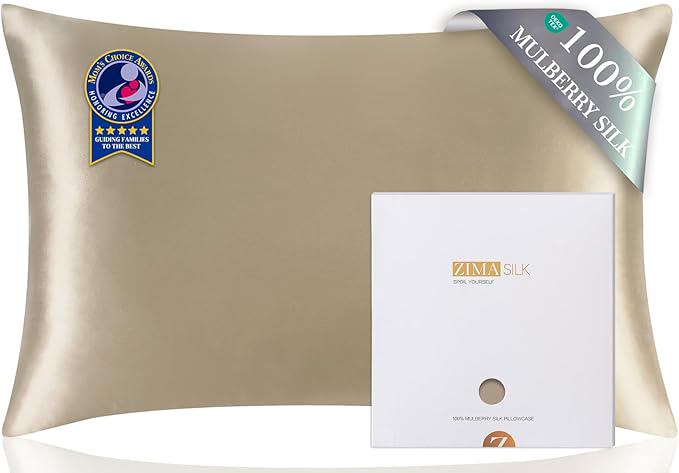
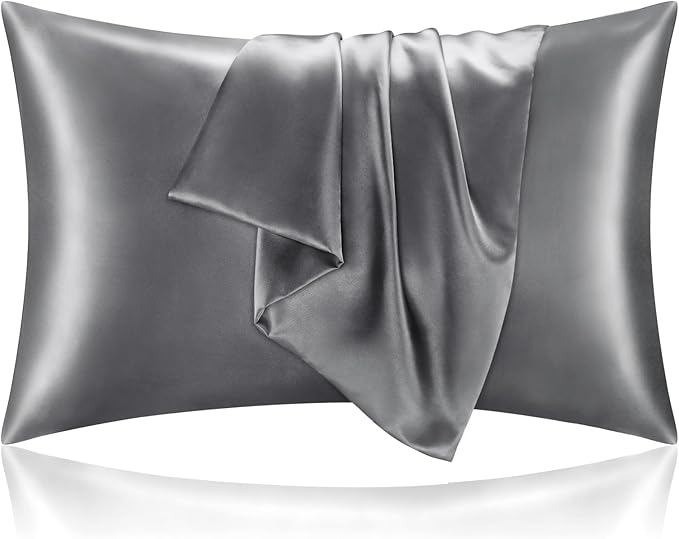
- Sleep on a silk or satin pillowcase. Cotton creates friction that leads to frizz and tangles. Silk or satin reduces friction and helps retain moisture.
A Gentle Color Routine That Works
To keep your colored curls vibrant without over-processing them, streamline your routine:
- Wash with cool or lukewarm water. Hot water opens the cuticle and washes out color.
- Apply a leave-in conditioner or curl cream after every wash to lock in moisture.
- Limit heat styling to once a week—or less. Use heatless curl techniques like flexi rods or braiding.
- Protect your hair from the sun with a hat or a UV-protectant spray. Sunlight fades color just like bleach.
Avoid the urge to pile on more products when your hair feels off. Over-processing often leads to product buildup, which makes hair look greasy or dull. Stick to a minimalist regimen: a gentle cleanser, a nourishing conditioner, and a lightweight leave-in. Your curls will tell you when they feel healthier.
Color-treated curls require extra care, but the main culprit of damage is often hidden in your daily habits. By recognizing over-processing, adjusting your routine, and giving your hair meaningful breaks, you can preserve your color and keep your curls bouncy and defined. Listen to your hair—it knows when it’s had enough.