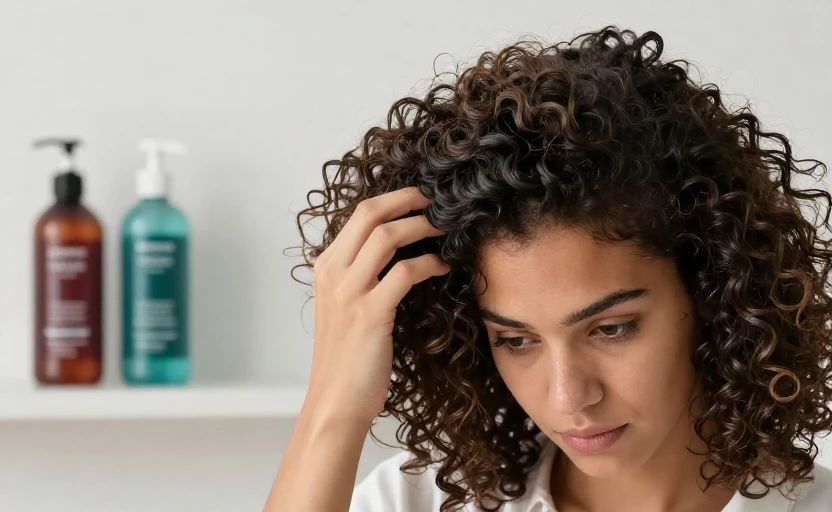
If you have dry, curly hair, you might be following a routine designed for a completely different hair type. The constant search for the right shampoo can feel endless, especially when the very act of washing seems to leave your scalp tighter, your curls thirstier, and your hair more unruly. Often, the culprit isn't the product itself, but the frequency and intensity of your cleansing routine. Over-cleansing is a surprisingly common mistake that can strip away the natural oils your scalp and curls desperately need to stay healthy and defined.
Curly and coily hair textures have a unique structure. The natural oils produced by your scalp, called sebum, have a harder time traveling down the spiral shape of each strand. This makes the ends of your hair particularly prone to dryness, while the scalp can sometimes feel both dry and irritated. When you wash too often or with harsh, stripping formulas, you remove what little protective oil is there, disrupting your scalp's natural balance and leaving your hair parched.
How to Tell If You're Over-Cleansing
Your hair and scalp will send clear signals if you're washing too much. Pay attention to these signs:
- A scalp that feels tight, itchy, or flaky shortly after washing.
- Hair that feels straw-like, rough, or excessively tangled, especially when wet.
- Curls that lack definition, appear frizzy immediately after drying, or seem to have lost their natural bounce.
- A constant need to apply heavy creams or oils to feel any sense of moisture.
- Your hair looks and feels better on the second or third day after a wash, once some natural oils have had a chance to emerge.
Think of your scalp's natural oils as a built-in conditioner. Over-cleansing washes this precious resource away before it can do its job.
Adjusting Your Washing Routine for Healthier Curls
The goal isn't to stop washing your hair, but to wash it smarter. This shift focuses on supporting your scalp's ecosystem rather than constantly resetting it.
Rethink Your Wash Frequency
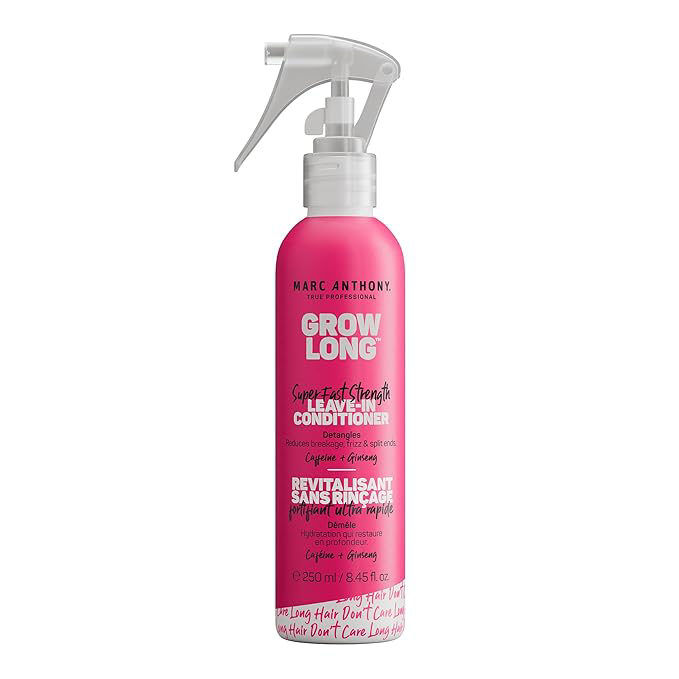
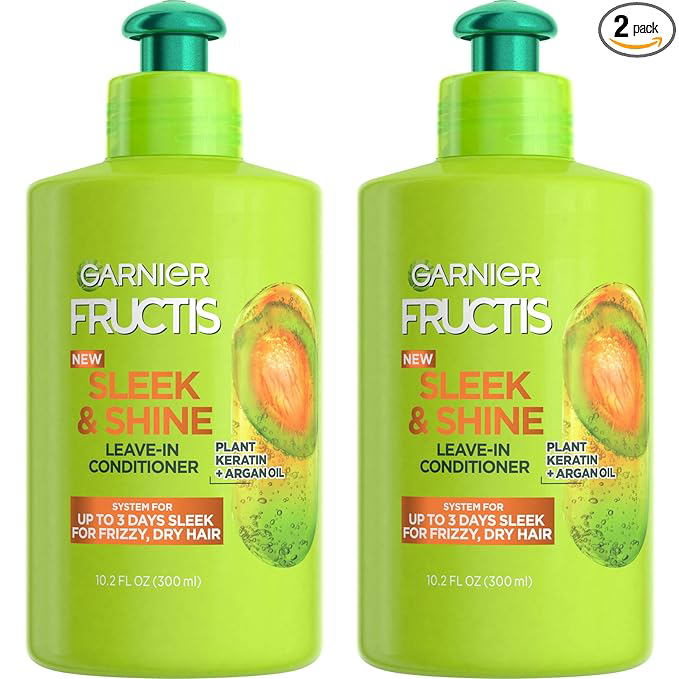
For many with dry, curly hair, washing once or twice a week is often sufficient. This allows your scalp's natural oil production to stabilize and gives those oils time to travel down the hair shaft. On non-wash days, you can refresh your curls with a light mist of water and a leave-in conditioner or simply style as needed. The "lather, rinse, repeat" instruction on most bottles is a marketing holdover, not a biological requirement for curly hair.
Choose Your Cleanser Wisely
Not all cleansers are created equal. Moving away from harsh sulfates (like sodium lauryl sulfate) is a key step. Look for gentle, hydrating formulas. Here’s a quick guide to common cleansing options:
- Clarifying Shampoos: Use sparingly, only once a month or so, to remove heavy product buildup. They are not for regular use.
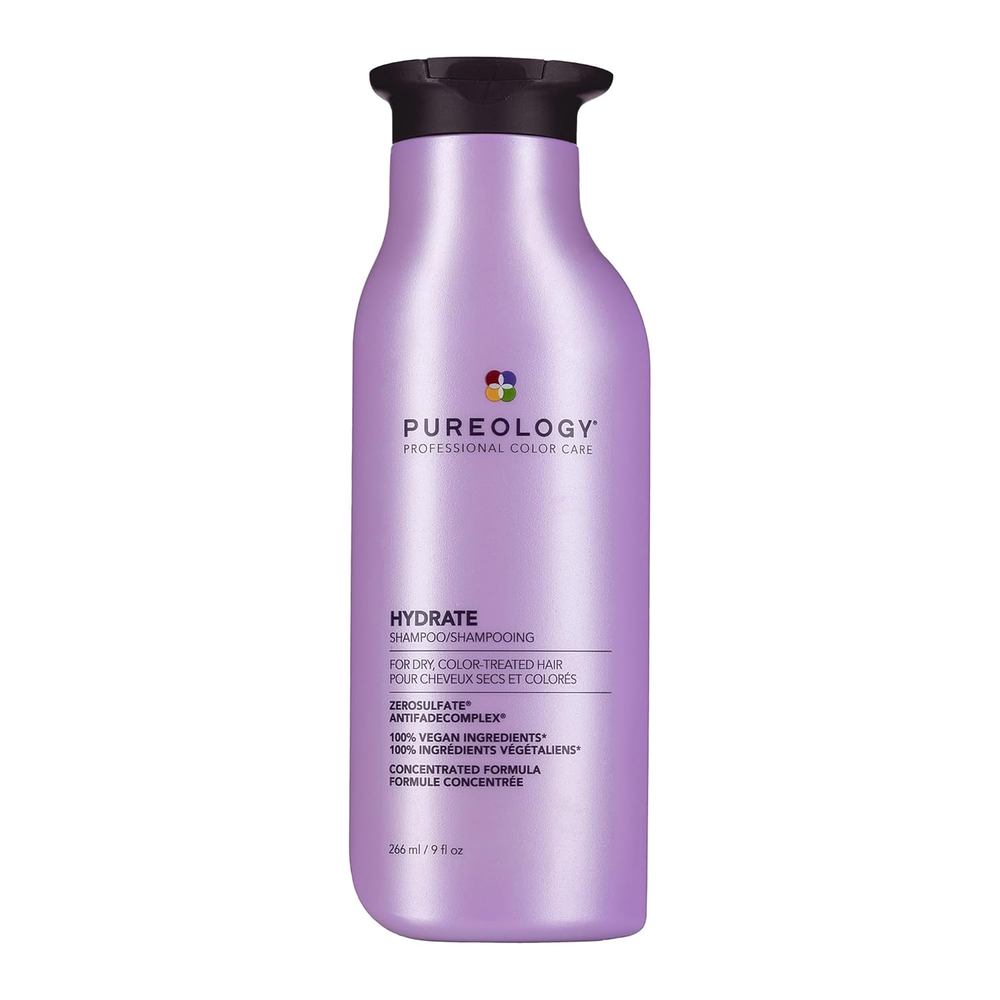
- Low-Poo or Gentle Sulfate-Free Shampoos: These provide a gentle lather and are excellent for regular weekly washes without being overly stripping.
- Co-Washes (Cleansing Conditioners): These are cream-based cleansers that use mild surfactants to clean while depositing moisture. They are ideal for frequent use or for very dry, fragile curls.
- Rinse-Out Conditioners: For some, simply massaging the scalp thoroughly with a rinse-out conditioner and water can provide enough cleansing between shampoo days.
What to Look for in Your Products
When you do cleanse, the ingredient list matters. Prioritize hydration and nourishment. Seek out formulas that contain humectants like glycerin or honey, which attract moisture, and emollients like shea butter, coconut oil, or jojoba oil, which help seal it in. Proteins, such as hydrolyzed wheat protein or silk protein, can help strengthen curls temporarily but should be balanced with moisture to avoid brittleness.
Avoid products with high concentrations of drying alcohols, heavy sulfates, and fragrances if your scalp is sensitive or irritated. The focus should be on replenishing, not removing.
Building a Supportive Hair Care Habit
Washing is just one part of the equation. What you do after you cleanse is critical for locking in hydration. Always follow your cleanser with a generous amount of conditioner, focusing on the mid-lengths and ends. Consider the "squish to condish" method: while your hair is saturated with conditioner, cup water in your hands and squish it into your hair to encourage curl clumping and deep absorption.
A leave-in conditioner or curl cream applied to damp hair after washing is non-negotiable for most dry, curly types. This provides a lasting layer of moisture and protection. Finally, seal it all in with a light oil or butter to create a barrier that slows down moisture loss.
Remember, your hair's needs can change with the seasons, your health, and even the water hardness in your area. Listen to what your scalp and curls are telling you. If they feel dry and stressed, the first step is often to simply wash less, and wash more gently. Giving your natural oils a chance to work can transform the health and appearance of your curls.