For many of us, the ritual of washing our hair is automatic. We lather, rinse, and repeat, often without a second thought. But what if a simple, ingrained step in that routine is quietly working against your hair's health and contributing to thinning? The mistake isn't about which shampoo you choose, but about how you're using it—specifically, how you're rinsing it out.
It’s a subtle error, one that feels counterintuitive. After all, shampoo is meant to clean. Yet, when residue is left behind, it can create a cascade of problems on the scalp, the foundation from which every strand of hair grows. A compromised scalp environment doesn't support strong, resilient hair.
What is the shampoo mistake that worsens thinning?
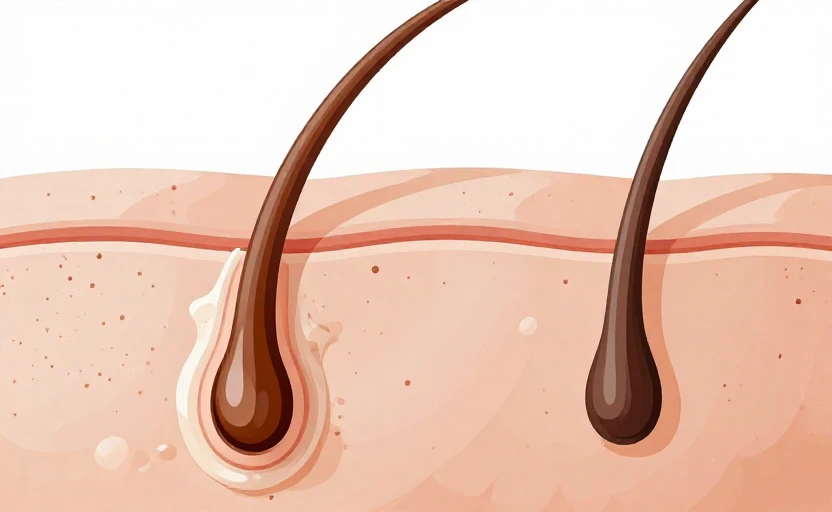
The most common culprit is incomplete rinsing. Failing to thoroughly wash all shampoo and conditioner residue from your scalp and hair can lead to a buildup of product, sebum (your scalp's natural oil), and environmental debris. This buildup sits at the hair follicles, potentially clogging them and creating an unhealthy environment for hair growth.
Think of your scalp like the soil for a plant. If the soil is clogged and suffocated, the plant cannot thrive. The same principle applies to your hair follicles.
This isn't just about hair feeling limp or looking greasy by day two. A congested scalp can become inflamed and irritated. This inflammation can disrupt the natural hair growth cycle, potentially shortening the growth phase and pushing more hairs into the shedding phase prematurely. For someone already experiencing thinning, this added stress on the follicles can accelerate the problem.
How does product buildup affect the scalp?
To understand why rinsing matters, it helps to know what’s happening up there. Your scalp is skin, and like the skin on your face, it has pores and hair follicles. It also produces sebum to keep itself and your hair moisturized.
- Clogged Follicles: Shampoo residue, combined with sebum and dead skin cells, can form a film over follicles. This can physically impede the emergence of new, fine hairs.
- Inflammation: Buildup can irritate the scalp, leading to redness, itching, and a condition called folliculitis (inflammation of the hair follicle). Chronic inflammation is a known enemy of healthy hair growth.
- Barrier Disruption: A clean scalp has a balanced microbiome and acid mantle (a protective film). Residue can disrupt this balance, making the scalp more susceptible to issues like dandruff or excessive oiliness as it tries to compensate.
When the follicle's environment is compromised, the hair it produces may become weaker, finer, and more prone to breakage—all of which contribute to the appearance of thinning hair.
How to rinse your hair correctly to avoid buildup
Fixing this mistake is simple, but it requires a shift from autopilot to mindfulness during your shower. The goal is to return your scalp to a clean, breathable state.
1. The temperature test
Start with lukewarm water. Very hot water can stimulate excess oil production and irritate the scalp. Lukewarm water is effective for cleansing without causing stress.
2. The sectioning technique
Don't just pour water over the top of your head. Use your fingers to gently lift and separate sections of your hair at the roots, allowing the water to flow directly onto your scalp. Pay special attention to the nape of your neck, behind the ears, and the hairline—common spots where residue hides.
3. The "squeaky clean" myth
Your hair shouldn't feel squeaky or stripped; that's a sign of over-cleansing. Instead, it should feel clean, smooth, and residue-free. A good test: after you think you're done rinsing, run your fingers along your scalp at the roots. Does it feel slippery or like there's a film? If yes, keep rinsing.
4. The final cold water flush
End your rinse with a 10-15 second blast of cool water. This helps to close the hair cuticle (smoothing the hair shaft) and can invigorate the scalp without contributing to buildup.
Supporting a healthy scalp beyond rinsing
Proper rinsing is the foundational step. You can support it with a few other mindful habits.
- Choose clarifying shampoos periodically: Even with good rinsing, some buildup occurs. Using a gentle clarifying shampoo once every 1-2 weeks can provide a deeper reset. Look for formulas with simple ingredients like apple cider vinegar or mild surfactants.
- Massage, don't scratch: When shampooing, use the pads of your fingers (not your nails) to massage your scalp in gentle circles. This stimulates blood flow without causing micro-tears that can lead to irritation.
- Be mindful of product application: Apply conditioners and leave-in treatments primarily to the mid-lengths and ends of your hair, not the scalp. If you use scalp serums or treatments, ensure they are water-soluble and designed not to cause buildup.
Consistency is key. A perfectly rinsed scalp once won't reverse thinning, but making thorough cleansing a habit creates the optimal environment for your hair to grow its best.
Hair thinning can feel complex and overwhelming, with causes ranging from genetics to nutrition. While this one shampoo habit isn't a sole culprit, it's a pervasive and easily corrected factor that may be worsening the situation. By giving your scalp the clean slate it needs, you remove an unnecessary obstacle, allowing your hair the best possible chance to be full, healthy, and strong.