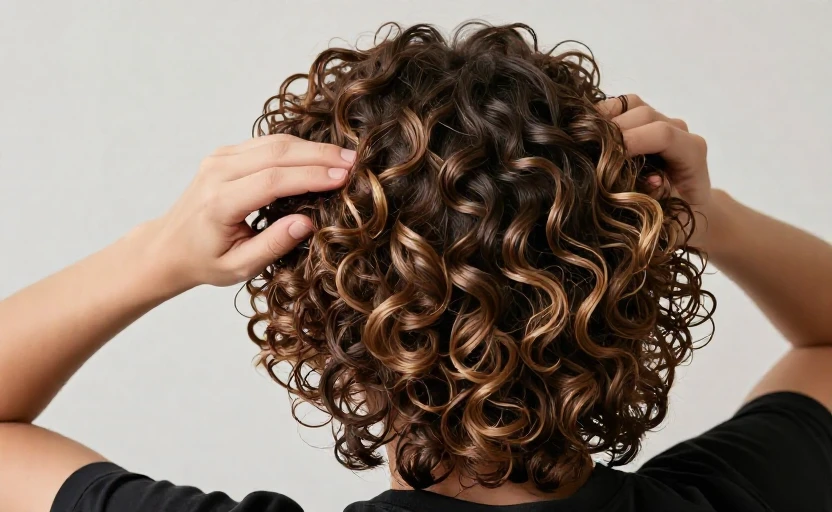
Conditioner is non-negotiable for curly hair. It’s the hero product that defines clumps, fights frizz, and brings out that coveted bounce. But what if the way you’re using it is actually holding your curls back? There’s one particular misstep that’s incredibly common, often leaving hair feeling weighed down, limp, or oddly dry at the roots while greasy at the ends.
It’s not about the brand you choose, but the placement. The instinct is to treat conditioner like shampoo, working it from root to tip. For curls, this is where the mistake happens.
Why Root-to-Tip Conditioning Doesn't Work for Curls
Curly and coily hair textures are naturally drier than straight hair. The spiral shape of the curl makes it harder for your scalp’s natural oils to travel down the hair shaft. This means the ends of your hair are the oldest, most fragile, and thirstiest part.
Your scalp, however, produces its own moisture. Applying rich conditioner directly to the roots can overwhelm them, leading to a flat, greasy appearance at the crown—the very opposite of the volume most curly girls crave. It can also contribute to buildup, making your hair feel dull and less responsive over time.
The golden rule for curls: condition the mids and ends, where the hair needs it most, and let your scalp breathe.
How to Apply Conditioner Correctly for Defined, Bouncy Curls
This technique, often called “praying hands” or “rope” application, focuses hydration where it’s desperately needed.
- Start on Soaking Wet Hair: After shampooing, gently squeeze out excess water so your hair is drenched but not dripping. This helps the conditioner spread evenly.
- Palm Your Product: Take a generous amount of conditioner (for thick, dense hair, this might be a palmful) and rub it between your hands.
- Skim the Scalp: Begin by gently smoothing your conditioner-covered hands over the surface of your hair, from your ears down. This catches any stray roots without depositing a heavy layer directly on the scalp.
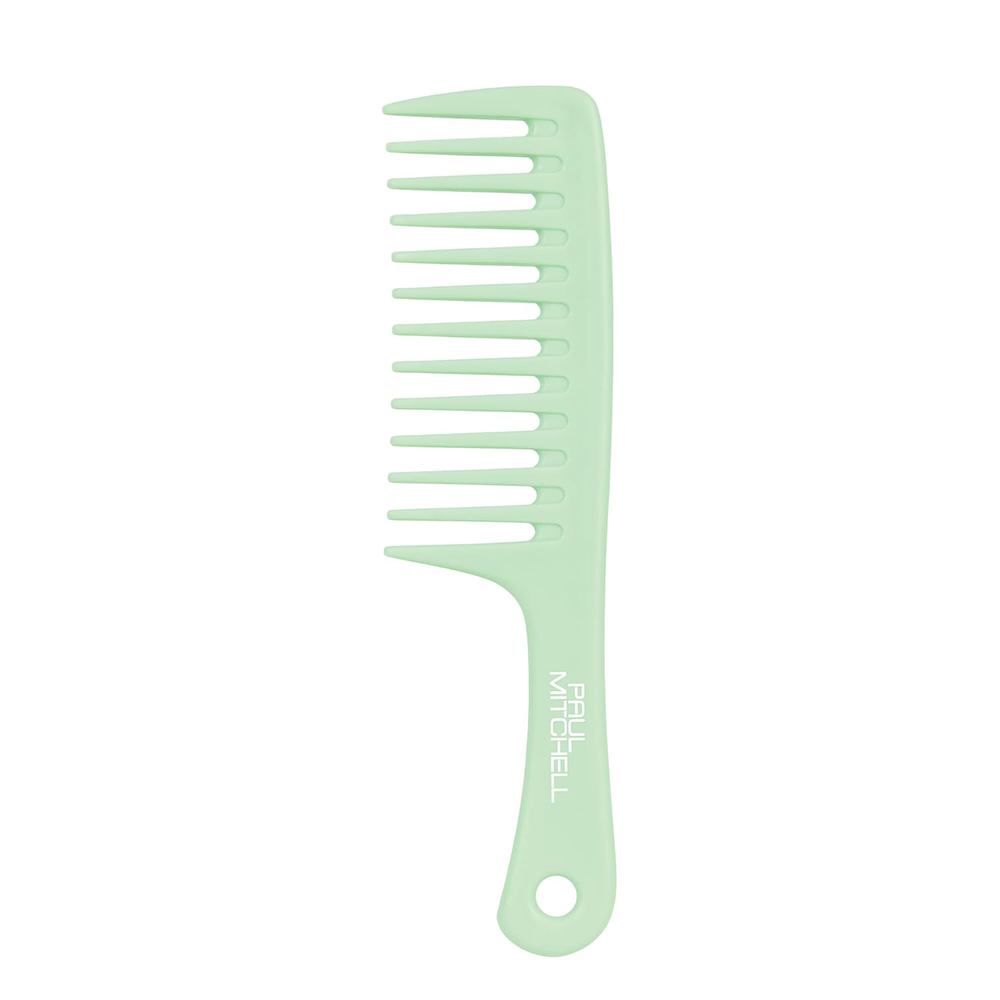
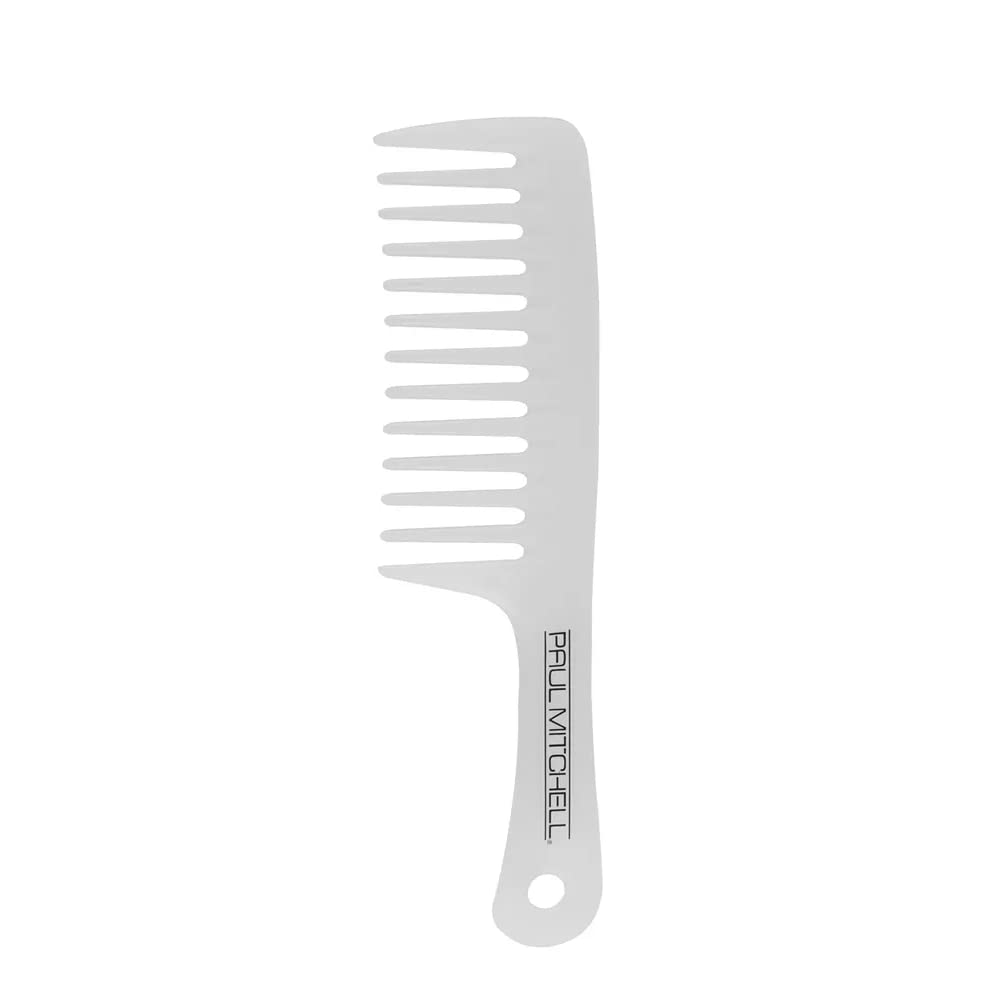
- Focus on the Lengths: Now, apply the majority of the conditioner from the mid-lengths of your hair all the way down to the tips. Use your fingers or a wide-tooth comb to detangle and ensure every strand is coated. This is where you should see and feel the slip.
- Let It Sit: Don’t rinse immediately. Clip your hair up and let the conditioner work for 3-5 minutes. This allows the moisturizing ingredients to penetrate the hair cuticle.
What to Look for in a Curly Hair Conditioner
Technique is half the battle; the product itself matters. Your conditioner should be a source of genuine hydration, not just silicone-based slickness that washes away.
Seek out nourishing ingredients like shea butter, coconut oil, argan oil, and glycerin. These humectants and emollients bind water to the hair shaft. Proteins like hydrolyzed wheat or silk protein can be beneficial for strengthening, but use them in moderation if your hair feels brittle.
For a final rinse, some curlies benefit from a cool water splash, which can help smooth the hair cuticle for added shine.
Beyond the Conditioner: Supporting Your Curl Health
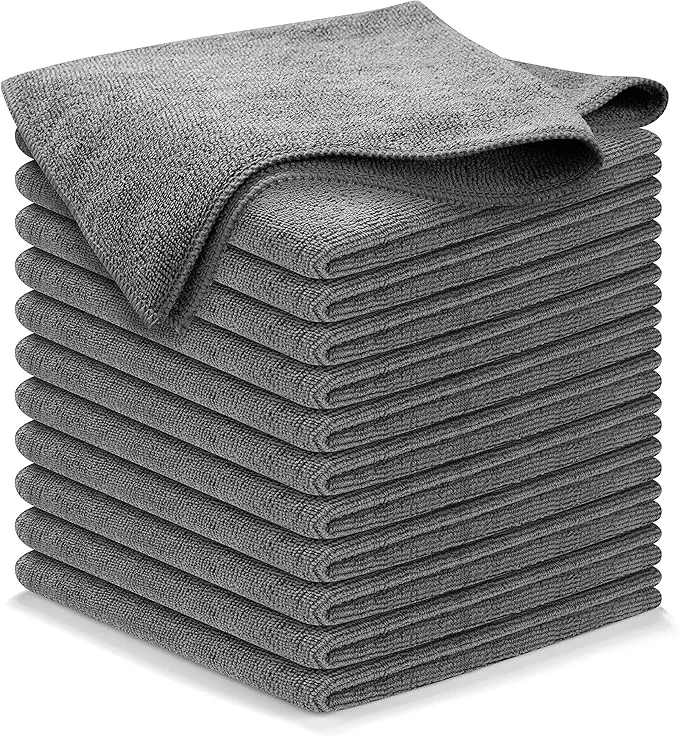
Fixing the conditioner mistake is a huge leap forward, but your entire routine plays a part. Avoid rough drying with a regular towel, which causes frizz. Instead, use a soft microfiber towel or an old cotton t-shirt to gently scrunch out excess water.
When you do use heat, a heat protectant spray is essential. It creates a barrier to minimize damage from blow dryers and styling tools.
Finally, listen to your hair. Some days it might crave a lighter conditioner, other days a deeper mask. Adjusting your product and technique to your hair’s daily needs is the true secret to consistently great curl days.