Checking your blood sugar is a fundamental part of managing diabetes, a daily ritual that provides a snapshot of your metabolic health. Yet, for something so routine, it’s surprisingly easy to slip into habits that can skew your results. Inaccurate readings don’t just create confusion; they can lead to misguided decisions about food, medication, and activity. Let’s walk through three of the most common, yet often overlooked, mistakes people make with their glucose meters and how to correct them simply.
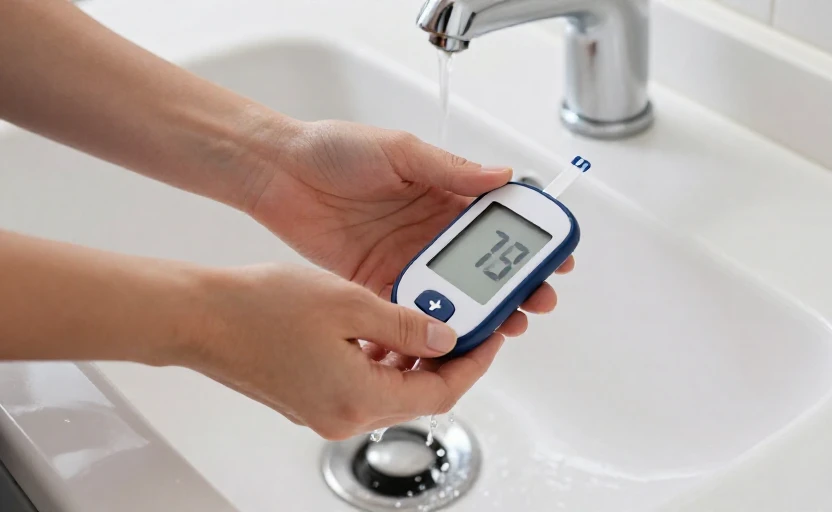
Mistake 1: Not Washing Your Hands First
This might seem too basic to mention, but it’s the single biggest culprit behind false readings. Think about what your hands have touched since you last washed them: a piece of fruit, a doorknob, a phone screen, a lotion bottle. Residue from food, especially sugar, can dramatically alter your reading.
A trace of sugar from an apple on your fingertip can make your blood sugar appear hundreds of points higher than it actually is.
Rinsing isn’t enough. Use warm water and soap, dry thoroughly with a clean towel, and avoid using alcohol swabs as a routine substitute. Alcohol can dry and toughen the skin over time and, if your finger isn’t completely dry, can also dilute the blood sample. Make handwashing the non-negotiable first step of every test.
Mistake 2: Using the Wrong Part of Your Finger
We often default to the very tip of the finger or the center of the pad. These areas are packed with nerve endings, making the lancet prick more painful. In response, you might be tempted to use a shallower lancet setting or apply insufficient pressure, which can lead to “milking” the finger—squeezing it to get a drop of blood.
Milking can introduce interstitial fluid (the fluid between cells) into the blood sample, potentially diluting it and giving an inaccurate reading. Instead, aim for the sides of your fingertips, just beside the nail. These areas are less sensitive and often yield a good blood drop with less effort. Rotate through all your fingers to give each spot time to heal.
Mistake 3: Misunderstanding Timing and Context
A blood sugar number is a data point, but its meaning depends entirely on when you take it and what was happening just before. Testing at inconsistent times or not considering recent activity, stress, or illness can make your logbook look like random numbers rather than a useful pattern.
Fasting vs. Post-Meal Confusion
A fasting reading (first thing in the morning, before food or drink) and a postprandial reading (usually 1-2 hours after the start of a meal) tell different stories. Comparing a post-lunch number to yesterday’s fasting number will only cause unnecessary worry. Know which one you’re checking and why.
The Forgotten Factors
Your glucose meter measures the sugar in your blood, not the stress in your mind or the ache in your muscles. Yet, both physical and emotional stress trigger the release of hormones like cortisol and adrenaline, which can raise blood sugar. An unexplained high might be linked to a tough work deadline, an argument, a poor night’s sleep, or the onset of a cold, not just your last meal.
Building a reliable testing routine is less about advanced technology and more about consistent, careful practice. By washing your hands, using the sides of your fingers, and thoughtfully noting the context of each reading, you transform those individual numbers into a trustworthy map of your health. This map empowers you and your healthcare team to make confident, effective decisions for your diabetes management journey.