Iron is a fundamental mineral, essential for creating hemoglobin, the protein in red blood cells that carries oxygen from your lungs to every corner of your body. When your iron stores are low, you might feel persistently tired, weak, or find it hard to concentrate—a state known as iron deficiency anemia. For vegetarians, ensuring adequate iron intake requires a bit of mindful planning, not because plant-based diets are inherently deficient, but because the type of iron they provide is absorbed differently. The good news is that with knowledge of the right foods and simple pairing strategies, you can confidently meet your needs.
Plant-based iron is called non-heme iron. Unlike the heme iron found in animal products, non-heme iron is more sensitive to other dietary components, which can either hinder or enhance its absorption. This doesn't make it inferior; it simply means understanding how to optimize your meals is key. By focusing on iron-rich plant foods and combining them with vitamin C, you can significantly boost your body's uptake of this vital nutrient.
Top Vegetarian Sources of Iron
Nature provides an impressive array of iron-packed plants. Incorporating a variety of these into your weekly meals builds a strong nutritional foundation.
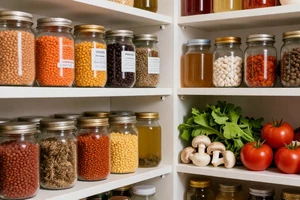
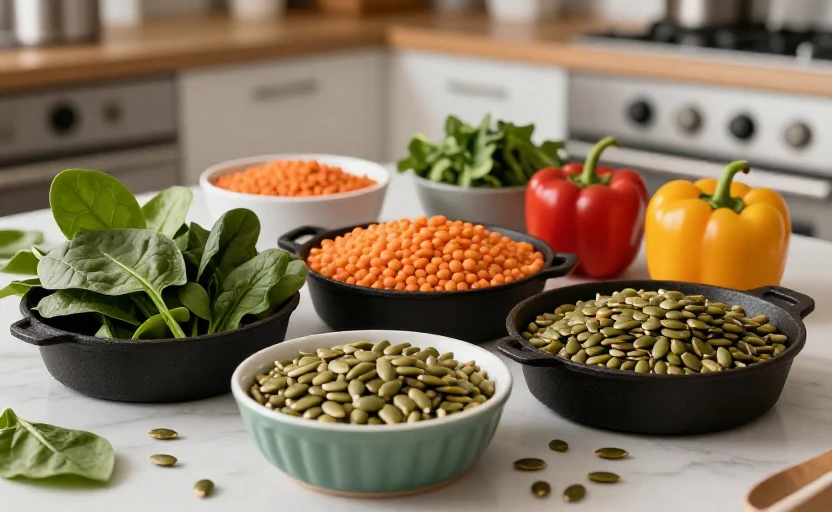
Legumes and Lentils: These are powerhouses. A cup of cooked lentils provides about 6.6 mg of iron. Chickpeas, black beans, kidney beans, and tofu (especially if prepared with calcium sulfate, which often has added iron) are all excellent choices. They're also rich in protein and fiber, making them a satisfying base for meals.
Leafy Green Vegetables: Dark, leafy greens are nutritional champions. Spinach, Swiss chard, kale, and collard greens are notable for their iron content. For example, a cup of cooked spinach offers around 6.4 mg. Remember, cooking greens reduces their volume, making it easier to consume a larger, more nutrient-dense serving.
Nuts and Seeds: A convenient and crunchy source. Pumpkin seeds, sesame seeds (and tahini), cashews, and pine nuts are particularly good. Just two tablespoons of pumpkin seeds contain about 2.5 mg of iron. They make for a perfect snack or salad topping.
Whole Grains and Fortified Foods: Quinoa, amaranth, fortified breakfast cereals, and oatmeal contribute meaningful amounts of iron. Quinoa is unique as a complete protein and provides about 2.8 mg per cooked cup. Always check labels on cereals and breads, as fortification levels can vary.
The goal isn't to track every milligram at every meal, but to consistently include these iron-rich foods in your overall eating pattern.
Maximizing Iron Absorption
This is where the magic happens for plant-based iron. You can dramatically increase how much iron your body uses from a meal with a few simple tactics.
Pair with Vitamin C: This is the most effective strategy. Vitamin C converts iron into a form that is much easier for your intestines to absorb. Aim to include a source of vitamin C in every meal that contains iron-rich plants. This is easier than it sounds:
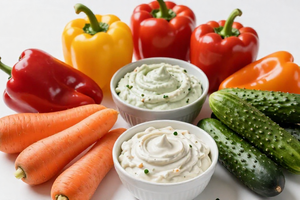
- Add bell peppers or tomatoes to a lentil curry.
- Squeeze lemon juice over cooked spinach or a bean salad.
- Enjoy an orange, strawberries, or kiwi fruit with your fortified cereal.
- Add broccoli to a tofu stir-fry.
Be Mindful of Inhibitors: Certain compounds can temporarily reduce non-heme iron absorption. These include phytates (found in bran and legumes), calcium, and tannins (in tea and coffee). This doesn't mean you need to avoid these healthy foods. Instead, consider having your tea or coffee between meals, not immediately with your main iron-rich meal. Soaking or sprouting beans and grains can also help reduce phytate levels.
Signs You Might Need More Iron
While only a blood test can confirm iron deficiency, being aware of the common signs can prompt a helpful conversation with your healthcare provider. Look out for:
- Unusual fatigue and low energy levels
- Pale skin, particularly inside the lower eyelids
- Shortness of breath or heart palpitations with minimal exertion
- Difficulty concentrating or "brain fog"
- Brittle nails or hair loss
If you experience several of these symptoms, it's worth getting checked. Certain groups, such as menstruating individuals, pregnant people, endurance athletes, and those with certain digestive conditions, have higher iron requirements and may need to be especially vigilant.
Building iron-sufficient meals as a vegetarian is a practice of thoughtful combination. It’s about tossing chickpeas with lemon-dressed kale, sprinkling pumpkin seeds on a strawberry-spinach salad, or serving a black bean chili with a side of steamed broccoli. By focusing on a diverse plate full of whole plant foods and using the vitamin C pairing principle, you support your energy and overall health with every meal.