You notice them first in the rearview mirror, or perhaps while applying moisturizer in the morning light—flat, brownish patches on your skin that weren't there a few years ago. Often called liver spots or sun spots, these common marks are a natural part of skin aging for many people. While they're generally harmless, understanding what they are and where they come from is the first step in managing their appearance and preventing new ones from forming.
Age spots are the result of a lifetime of sun exposure. They occur when clusters of melanin, the pigment that gives skin its color, become concentrated in one area. Think of them as your skin's ledger, a visible record of sunny days spent gardening, walking, or simply living life outdoors. The good news is that this ledger doesn't have to keep filling up. With consistent, mindful habits, you can significantly slow their development and protect your skin's overall health.
What exactly are age spots?
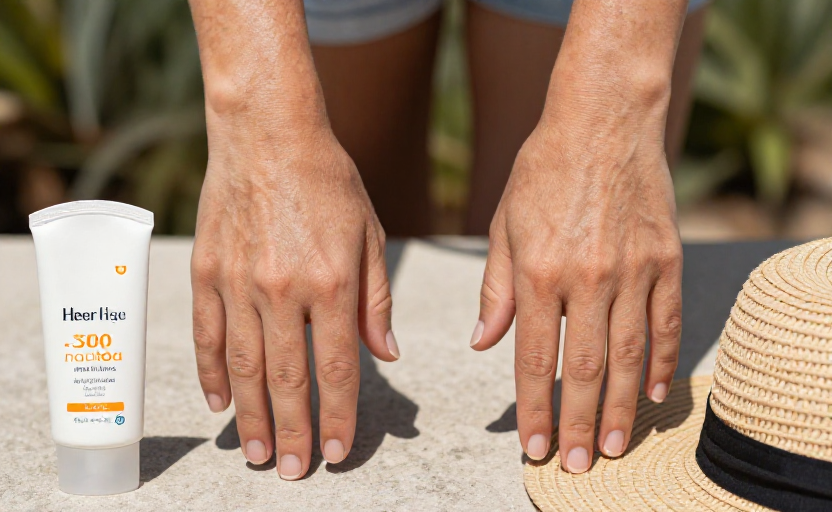
Medically termed solar lentigines, age spots are hyperpigmented areas that develop on skin frequently exposed to the sun. They're not directly caused by the passing of years, but by the cumulative effect of ultraviolet (UV) radiation over those years. This is why you might see them on the face, hands, shoulders, arms, and the tops of feet—the body's sun-facing surfaces.
These spots are typically tan to dark brown, oval, and flat with a defined edge. They vary in size from a small freckle to over half an inch across and can sometimes merge together. It's crucial to distinguish them from other skin changes. A new, rapidly growing, irregularly shaped, or multi-colored spot should always be evaluated by a dermatologist to rule out skin cancer. When in doubt, get it checked out.
The primary cause: a lifetime of sun
The sun's ultraviolet rays are the principal architect of age spots. UV radiation accelerates the production of melanin in your skin. Melanin acts as a natural sunscreen, absorbing UV light to protect deeper skin layers. With repeated exposure, this production can become uneven, leading to clumps of pigment that surface as dark patches.
This process is a form of photoaging—premature aging of the skin caused by light. It's different from the intrinsic aging that happens as our cells naturally slow their renewal. Photoaging is responsible for up to 90% of the visible changes often attributed to growing older, including wrinkles, leathery texture, and of course, hyperpigmentation.
Age spots are less about your chronological age and more about your skin's cumulative sun diary.
Other contributing factors
While sun exposure is the lead actor, other elements can play a supporting role in the development of hyperpigmentation.
- Genetics: Your natural skin tone and family history influence your susceptibility. People with fair skin are often more prone to sun damage and visible spotting, though they can appear on all skin types.
- Tanning Beds: Artificial UV light sources deliver intense, concentrated radiation, dramatically accelerating the photoaging process and the risk of spots.
- Skin Inflammation: Past injuries, acne, or eczema can sometimes leave behind post-inflammatory hyperpigmentation (PIH) that resembles an age spot, especially if the area was then exposed to the sun.
Effective prevention is your strongest strategy
Preventing new age spots is far more straightforward than treating existing ones. It revolves around one core principle: consistent and intelligent sun protection.
Make sunscreen a non-negotiable habit
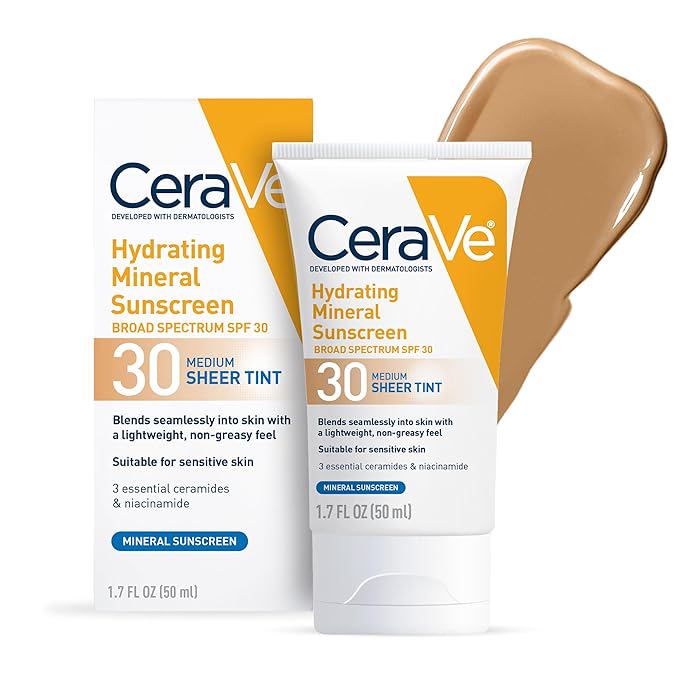
Choose a broad-spectrum sunscreen that protects against both UVA (aging) and UVB (burning) rays, with an SPF of 30 or higher. Apply it every single day, rain or shine, to all exposed skin. UVA rays penetrate clouds and windows, meaning you're exposed during your commute or sitting by an office window. Use about a shot glass worth for your body and a nickel-sized amount for your face and neck. Reapply every two hours if you're outdoors, and immediately after swimming or sweating.
Embrace sun-protective clothing and timing
Sunscreen is essential, but it's not your only tool. Seek shade during the sun's peak intensity, usually between 10 a.m. and 4 p.m. Wear a wide-brimmed hat that shades your face, ears, and neck. Long-sleeved shirts, pants, and sunglasses with UV protection offer a physical barrier. Many clothing brands now offer items with a certified Ultraviolet Protection Factor (UPF).
Incorporate antioxidant skincare
Topical antioxidants can help support your skin's defenses against free radical damage caused by UV exposure. Look for serums or moisturizers containing:
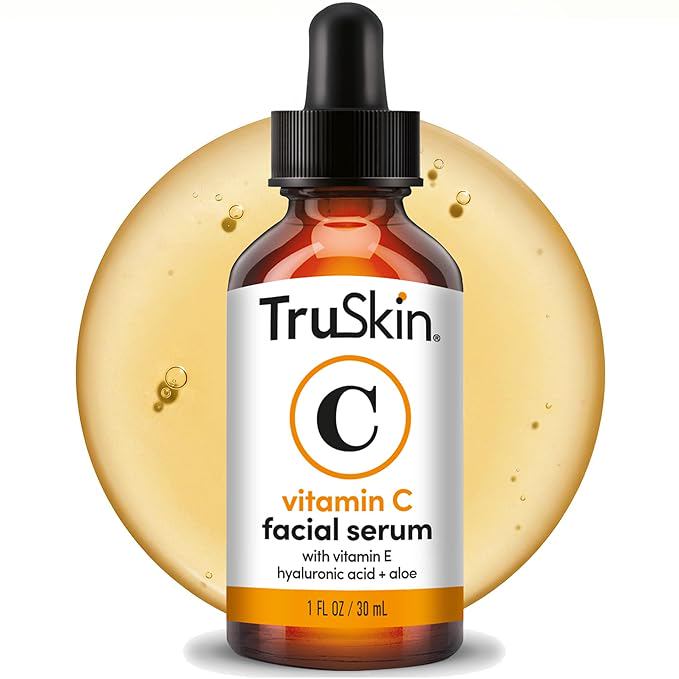
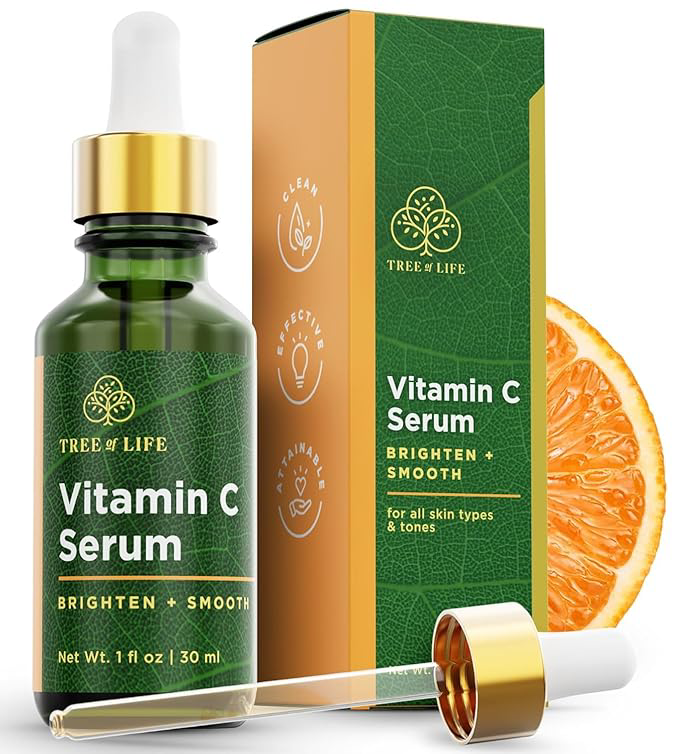
- Vitamin C (L-ascorbic acid): A potent antioxidant that can help brighten skin and inhibit melanin production.
- Vitamin E (Tocopherol): Often works synergistically with Vitamin C to enhance photoprotection.
- Niacinamide (Vitamin B3): Helps improve skin barrier function and can reduce the transfer of pigment to skin cells.
These ingredients don't replace sunscreen but act as a valuable supporting layer in your daily routine.
If you want to address existing spots
For spots that are already present, several professional and over-the-counter options can help fade their appearance. It's wise to consult a dermatologist to determine the safest and most effective approach for your skin type.
Topical Treatments: Prescription or high-strength over-thecounter creams containing hydroquinone, retinoids (like tretinoin), azelaic acid, or kojic acid can gradually lighten spots by slowing melanin production and increasing cell turnover. These require patience and consistent use, often over several months.
Professional Procedures: A dermatologist can perform treatments like cryotherapy (freezing with liquid nitrogen), laser therapy, intense pulsed light (IPL), or chemical peels. These methods target and break up pigment clusters. They are more immediate but come with higher cost, potential downtime, and the need for strict sun avoidance during healing.
Regardless of the treatment path, sun protection remains non-negotiable. Without it, new spots will form, and treated areas are highly likely to darken again.
Viewing age spots as a map of your skin's history can shift your perspective. They're not a flaw, but a sign of a life lived. Moving forward, the goal isn't to erase the past, but to protect your skin's future. By adopting gentle, consistent protective habits, you honor your skin's health and resilience for all the days to come.