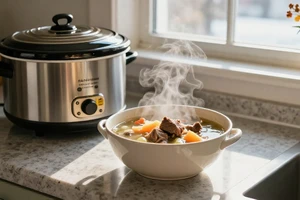
If the idea of meal prepping feels like a weekend-long chore, you’re not alone. Chopping, cooking, and cleaning for hours can be daunting. But what if there was a gentler, more forgiving way to prepare healthy meals for the week ahead? Enter the slow cooker—a kitchen appliance that feels less like a tool and more like a helpful companion.
Slow cooker meal prep is about embracing a different rhythm. Instead of frantic, hands-on cooking, you spend a short time assembling ingredients. Then, the slow cooker takes over, filling your home with comforting aromas while you go about your day. For beginners, this method is a revelation: it’s forgiving, requires minimal active effort, and yields delicious, ready-to-eat results that make weekday dinners stress-free. This guide will walk you through the simple steps to make it work for you.
Why the Slow Cooker is a Beginner’s Best Friend
For anyone new to meal preparation, the slow cooker offers unique advantages that build confidence. Its low, steady heat is incredibly forgiving. Unlike stovetop cooking where a moment’s distraction can lead to burning, a slow cooker gently coaxes flavors together over many hours. This means you’re far less likely to ruin a meal, even if your timing isn’t perfect.
It also simplifies the process. Many recipes follow a straightforward “dump and start” method. You layer your proteins, vegetables, and liquids in the pot, set the temperature and time, and walk away. There’s no need to monitor a simmer or stir constantly. This hands-off approach frees up your time and mental energy, making the task of feeding yourself well feel manageable rather than overwhelming.
The beauty of the slow cooker is in its patience. It turns inexpensive, tough cuts of meat into tender, falling-apart meals, and allows flavors to deepen in a way fast cooking simply cannot.
Getting Started: Your First Slow Cooker Prep Session
Beginning is often the hardest part. Let’s break down your first session into clear, achievable steps.
1. Choose Your Recipes Wisely
Start with just one or two recipes for your first week. Look for dishes known to freeze and reheat well, like hearty soups, stews, chili, pulled chicken or pork, and bean-based dishes. These are the workhorses of slow cooker prep. Avoid recipes that rely on delicate ingredients like pasta, fish, or dairy added at the beginning—these are better cooked fresh.
2. Make a Strategic Shopping List
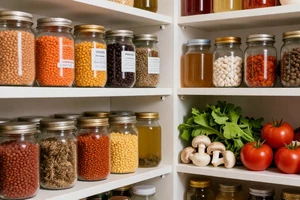
Once you’ve picked your recipes, build your list. A major benefit of this style of cooking is its affordability. You can buy tougher, less expensive cuts of meat (like chuck roast, pork shoulder, or chicken thighs), which become succulent after hours of slow cooking. Stock up on hardy vegetables like carrots, potatoes, onions, and celery, which hold their texture. Don’t forget pantry staples: broth, canned tomatoes, beans, and your favorite dried herbs and spices.
3. The Prep Day Flow
Set aside a couple of hours on a weekend afternoon. Your workflow will look something like this:
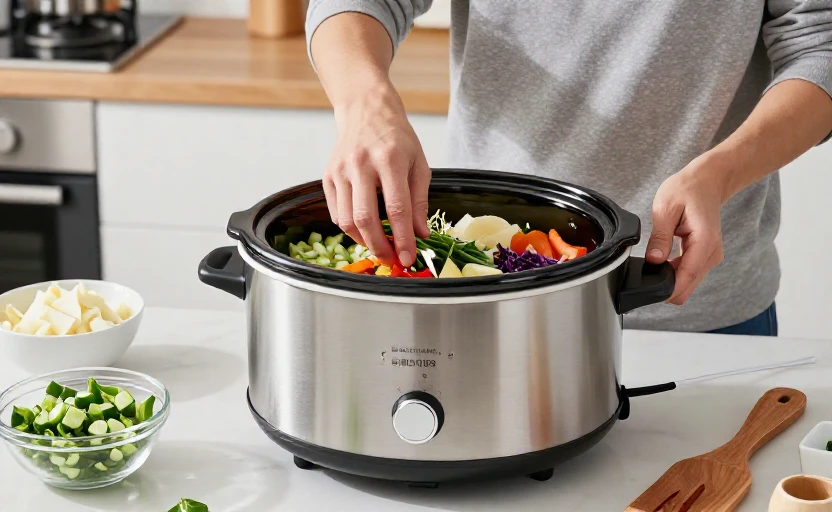
- Chop Everything First: Dice all your onions, chop carrots, cube meat, and mince garlic. Having everything prepped and in bowls (a practice chefs call mise en place) makes assembly swift.
- Layer with Intention: Place harder, denser vegetables (like carrots and potatoes) at the bottom of the slow cooker, near the heat source. Add your meat, then any softer vegetables. Pour over your liquids (broth, sauce, etc.).
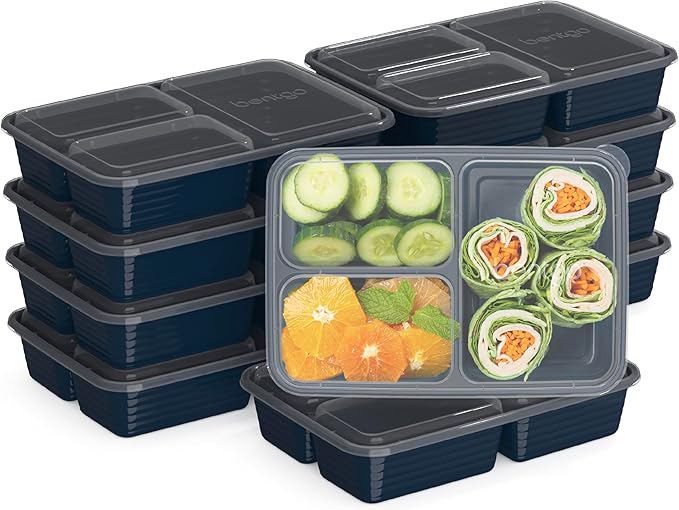
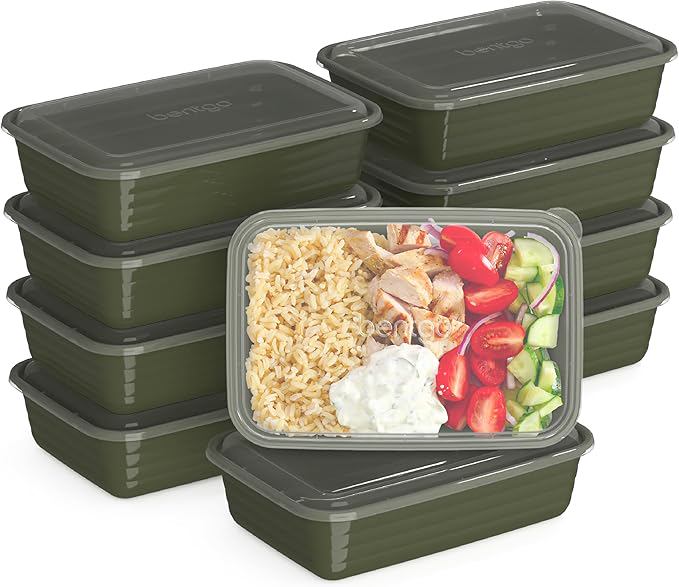
- Cook and Portion: Start your cooker. Once cooking is complete, let the food cool slightly before dividing it into airtight containers. Label them with the contents and date.
Essential Tips for Success and Safety
A few simple guidelines will ensure your meals are both delicious and safe.
- Don’t Overfill: Your slow cooker should be between half and two-thirds full for best results. Overfilling can lead to uneven cooking; underfilling may cause food to burn.
- Keep the Lid On: Resist the urge to peek! Every time you lift the lid, you release heat and steam, which can add 15-20 minutes to your cooking time.
- Handle Dairy with Care: Cream, milk, or sour cream should be stirred in during the last 30 minutes of cooking to prevent curdling.
- Cool Safely Before Storing: Never put a large, hot pot of food directly into the refrigerator. Portion it into smaller containers and let them sit at room temperature for no more than two hours before refrigerating or freezing.
Building Your Slow Cooker Recipe Repertoire
Once you’ve mastered a basic stew, the world opens up. Your slow cooker can be used for far more than dinner mains.
Breakfast: Oatmeal or steel-cut oats cook beautifully overnight. Wake up to a ready-made, warm breakfast.
Healthy Snacks: Make a big batch of spiced nuts, apple butter, or roasted chickpeas.
Kitchen Staples: You can cook dried beans from scratch (no soaking required) or make your own bone broth with incredible ease.
The goal is to start simple and gradually experiment. Notice which flavors you love, how different ingredients behave, and what fits your schedule. Before long, you’ll have a personal collection of go-to recipes that make eating well throughout the week feel effortless, not exhausting.
Slow cooker meal prep is less about perfection and more about consistency. It’s a tool that supports you, quietly working in the background to ensure you have a nourishing meal waiting at the end of a long day. By starting small and following these foundational steps, you’ll build a sustainable habit that saves time, reduces stress, and brings the deep satisfaction of a home-cooked meal to your busiest days.