Retinol has become one of the most talked-about ingredients in skincare, and for good reason. When used correctly, it can smooth fine lines, even out skin tone, and improve texture over time. But with different strengths, a risk of irritation, and the need for patience, it's easy to get lost in the details. This guide walks you through the practical side of retinol—what strength to start with, how to time your applications, and what kind of results you can realistically expect.
If you are new to retinol, the most important rule is to start low and go slow. A common beginner mistake is to apply a strong formula every night, hoping for faster results. That approach often backfires with redness, peeling, and dryness. The goal is to build your skin's tolerance so you can eventually use a more effective concentration without irritation.
Choosing the right retinol strength for fine lines
Retinol comes in various concentrations, usually listed as a percentage on the product label. Over-the-counter strengths typically range from 0.01% to 1%. For someone targeting fine lines, the right strength depends on your skin's history with retinoids and your overall sensitivity.
Starting low: 0.01% to 0.03%
If you have never used retinol before or have sensitive or dry skin, a low concentration is the safest entry point. These milder formulas can still help soften fine lines over several months while giving your skin time to adjust. Products in this range are often formulated with soothing ingredients to reduce the chance of irritation.
Mid-range: 0.1% to 0.3%
Most people can work up to a mid-range strength after a few weeks or months on a lower concentration. This level is effective for finer wrinkles and can also help with skin texture and pore appearance. At this strength, you begin to see more noticeable changes in the skin's smoothness, but it still requires consistent moisturizing and sun protection.
Higher over-the-counter: 0.5% to 1%
Concentrations above 0.3% are considered strong for non-prescription retinol. They are best reserved for people who have already built a tolerance to lower strengths. These can address deeper expression lines, but they carry a higher risk of irritation, especially if applied incorrectly. It is common to need a few rest days between applications even after months of use.
A simple rule: if your skin feels tight or looks angry, back off on frequency, not just strength.
How to time your retinol application for best results
Timing matters almost as much as strength. Retinol works best when applied correctly, and many people make mistakes by layering it the wrong way or using it too often.
Start with the “once every three nights” method
In the beginning, apply retinol every third night. This allows your skin to recover between applications. After two to three weeks without irritation, you can move to every other night. After another few weeks, try two nights on and one night off. Eventually you may be able to use it nightly, but many people hit a plateau with every-other-night use—and that is fine.
The right order in your routine
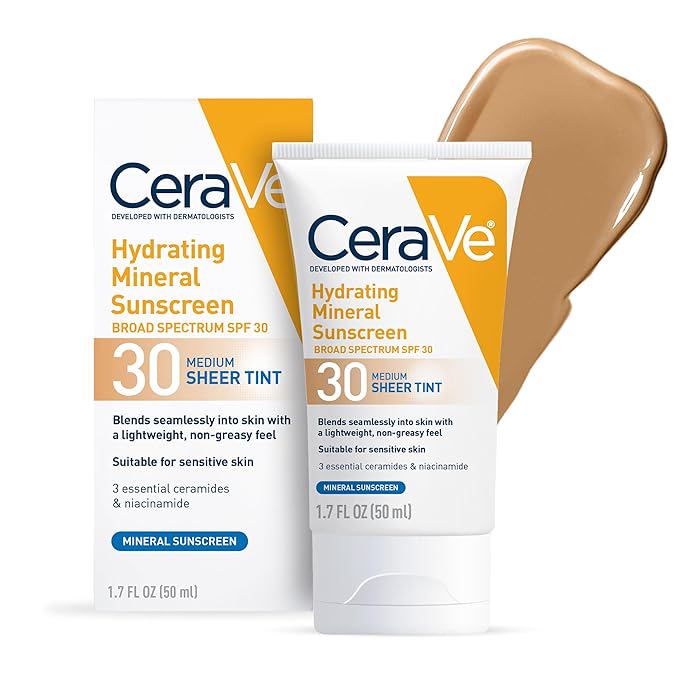
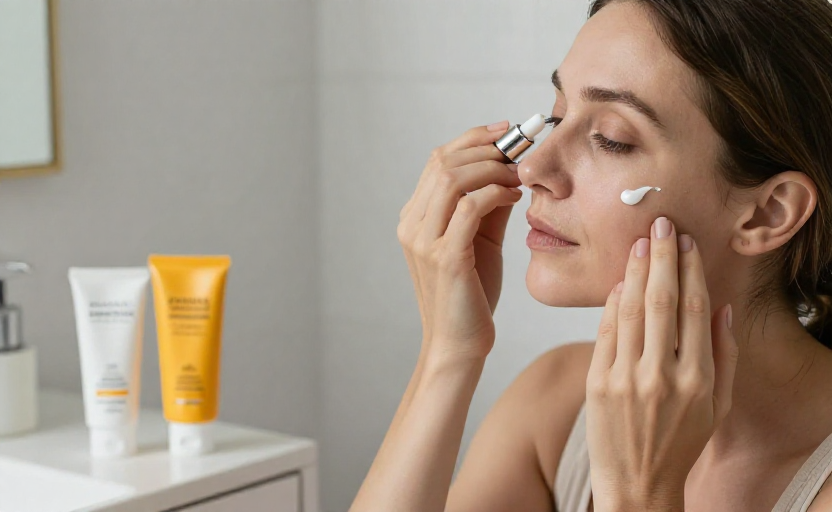
On retinol nights, wash your face and then wait at least 20 minutes for your skin to dry completely. If you apply retinol to damp skin, it absorbs too deeply and can cause irritation. After applying a pea-sized amount of retinol, wait another 10 minutes before applying moisturizer. This sandwich method—moisturizer, retinol, moisturizer—is a gentler alternative for sensitive skin. In the morning, always use sunscreen with SPF 30 or higher because retinol makes your skin more sensitive to the sun.
When to take a break
Skipping a night here and there is fine. In fact, if your skin becomes irritated, stop retinol for a few days and use only gentle cleanser and a barrier-repairing moisturizer. Once the redness subsides, you can restart at a lower frequency.
What kind of results to expect (and when)
Retinol doesn't work overnight. Skin turnover takes time, and visible changes to fine lines usually appear after consistent use over several months. Many people notice a brighter overall complexion and fewer fine lines around the eyes and mouth after about 12 to 16 weeks of regular use.
It is also normal to go through a “purging” phase in the first few weeks, where you see small breakouts or flaking skin. This is not a sign that the product is bad—it means the retinol is accelerating skin cell turnover. Purging usually fades within a month.
Keep your expectations realistic: retinol can soften and reduce the appearance of fine lines, but it will not erase deeper wrinkles completely. For moderate to severe lines, you might eventually consider a prescription retinoid or other dermatological treatments, but over-the-counter retinol remains a solid foundation for prevention and gradual improvement.
In short, the practical path to using retinol for fine lines is about patience, consistent routines, and respecting your skin's limits. Start with a low strength, apply it sparingly and at the right time, and protect your skin with SPF every morning. The results—smoother, more youthful-looking skin—are worth the slow build-up.