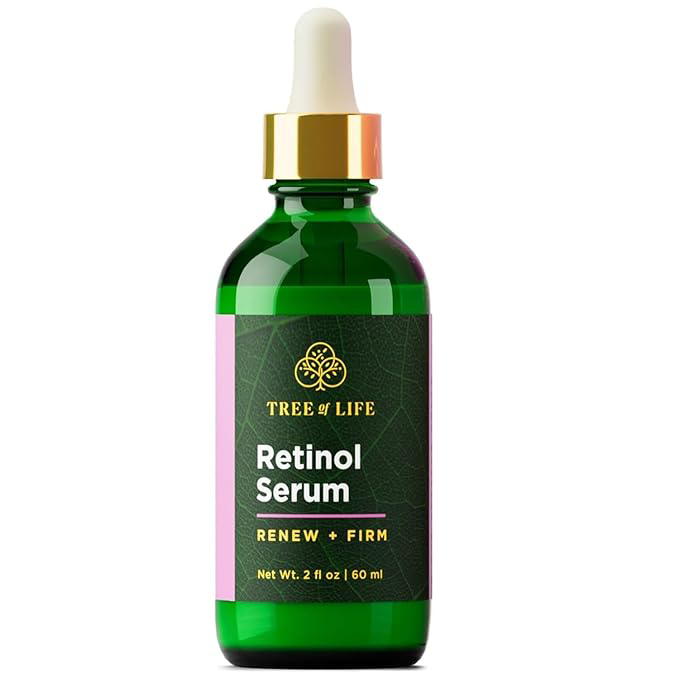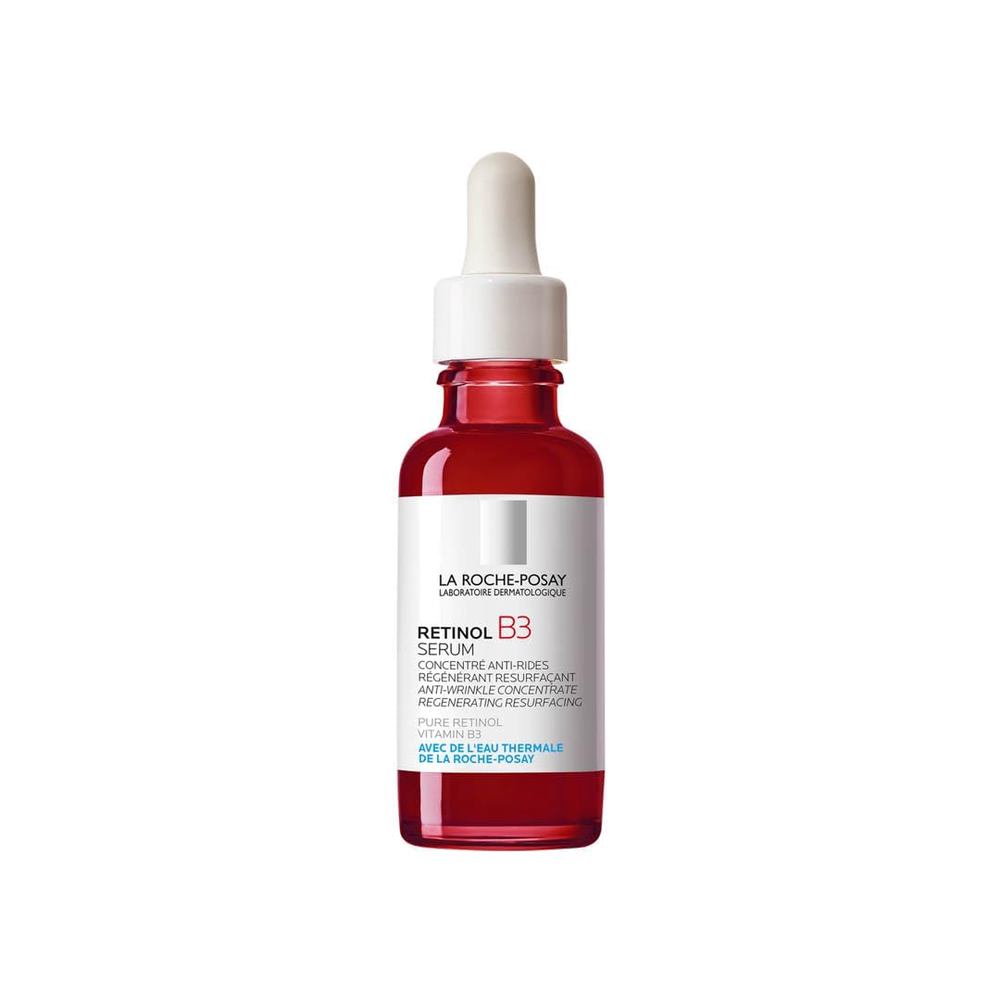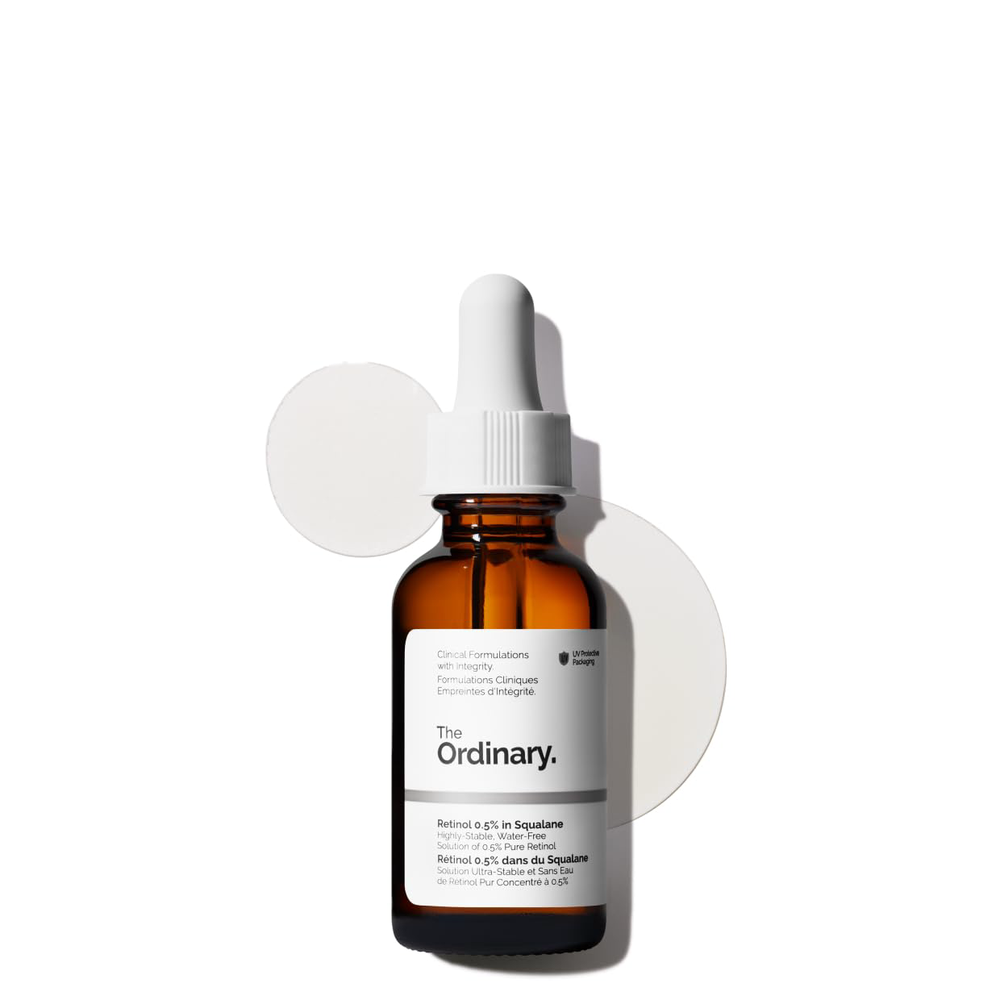
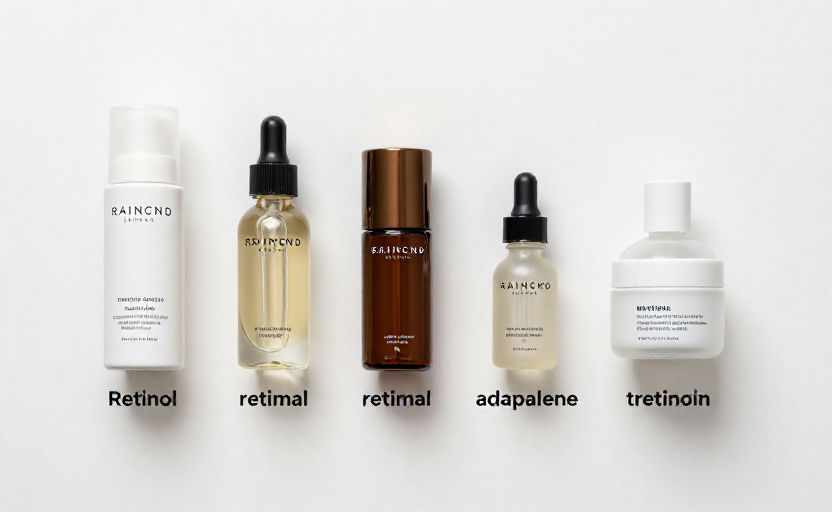
Retinoids are among the most researched and effective ingredients in skincare, but the sheer number of options can be overwhelming. From over-the-counter retinol to prescription-strength tretinoin, the difference between formulas isn’t just marketing — it’s about how hard the ingredient works and how your skin tolerates it. Choosing the right retinoid strength for your skin type is a balancing act between results and irritation. Here’s a practical guide to understanding retinoid strength and matching it to your skin.
What do we mean by retinoid strength?
A retinoid is any compound derived from vitamin A. The term covers everything from the gentlest retinaldehyde to potent prescription retinoids. In general, the closer an ingredient is to retinoic acid (the active form the skin uses), the stronger and faster it works — but also the more likely it is to cause dryness, peeling, and sensitivity.
The most common retinoids ranked by strength (mildest to strongest) are:
- Retinyl esters (retinyl palmitate, retinyl acetate) — the weakest, often found in beginner creams
- Retinol — a well-known OTC option that converts to retinoic acid in two steps
- Retinaldehyde (retinal) — converts in one step; stronger than retinol but still OTC
- Adapalene (Differin) — a synthetic retinoid, previously prescription-only, now OTC at 0.1%
- Tretinoin (Retin-A) — prescription-only, the gold standard for anti-aging and acne
- Tazarotene and trifarotene — potent prescription retinoids for tough acne or photoaging
A simple rule: the fewer conversion steps needed, the stronger the retinoid. Esters require three, retinol needs two, retinal needs one, and tretinoin is already active.
How skin type guides your choice
Your baseline skin type — oily, dry, combination, or sensitive — determines how your skin will react to a retinoid. No one is completely immune to some mild retinoid-related irritation, especially in the first weeks. The trick is to start with a strength your skin can handle without compromising its barrier.
Sensitive per skin that flushes easily, reacts to many products, or has conditions like rosacea. Choose a low-strength retinol (0.25% or less) or a retinyl ester. This type of skin should also use a “sandwich” technique: apply moisturizer, then retinoid, then another layer of moisturizer.
Normal to combination skin usually tolerates 0.3% to 0.5% retinol or retinaldehyde well. You can progress faster but should still buffer or start with two nights per week.
Oily and acne-prone skin often handles stronger formulas better. Adapalene 0.1% is a great OTC option, and many with oily skin can use 0.5% retinol from the start without excessive peeling.
Mature or dry skin benefits from retinoids but requires caution. Start with a hydrating formula at 0.2% retinol and pair it with ceramide-rich moisturizers.
Percentage matters — but so does formulation
Strength isn’t purely about the percentage on the bottle. A 0.5% retinol cream can feel milder than a 0.3% serum if the formula contains soothing ingredients like niacinamide, squalane, or encapsulated retinol. Encapsulated retinoids release slowly, which reduces irritation. Likewise, a high-strength serum with a watery base may penetrate faster and cause more sensitivity than a cream-based formula at the same concentration.
When comparing products, look at the concentration and the vehicle. If you are new to retinoids, choose a formulation that includes barrier-supporting ingredients. If your skin is seasoned but you are moving up a strength, a bare-bones formula (just the active in a simple gel or cream) may be fine.
How to start a new retinoid strength
Starting any new retinoid requires a slow and consistent approach. Rapid escalation causes peeling, redness, and can actually set back your progress by damaging the skin barrier.
- Apply only at night — retinoids degrade in sunlight. Use a pea-sized amount for the entire face, avoiding the eyes and the creases around the nose and mouth.
- Start with two nights per week for two weeks, then increase to every other night if no significant irritation occurs.
- Wait 20 minutes after cleansing before applying retinoid — damp skin absorbs more product and increases irritation risk.
- Always wear SPF 30 or higher during the day. Retinoids make skin more vulnerable to UV damage, not less.
A little flaking is normal during the first two to three weeks. If your skin feels hot, stings when you apply moisturizer, or develops broken skin, stop for a week and drop to a lower strength or frequency.
When to move up in strength
Once your skin no longer flakes, reddens, or feels tight with your current retinoid — usually after three to six months — you may consider moving to a higher strength. Signs it might be time: you are no longer seeing progress on fine lines or breakouts, or your skin looks dull even with consistent use. When you do move up, treat it like a brand new product: start at a lower frequency, buffer if needed, and be ready to step back down if irritation returns.
Quick guide to retinoid progression
- Beginner: 0.2% retinol or retinyl ester
- Intermediate: 0.5% retinol or 0.05% retinal
- Advanced: 1.0% retinol, 0.1% retinal, or adapalene 0.1%
- Prescription: tretinoin 0.025%, 0.05%, or 0.1% based on skin tolerance
Everyone’s skin is different. Some people never need to go above 0.5% retinol to see results. The best strength is the one you can use consistently without damaging your skin barrier.
A final note on realistic expectations
Retinoids improve cell turnover, collagen production, and pore clarity, but they are not overnight fixes. You may see a “retinoid purge” (breakouts from accelerated cell shedding) in the first month, and visible improvement in texture or fine lines usually takes 12 weeks or more. Sticking with a steady, appropriate strength for your skin type will give you better long-term results than chasing a higher percentage too quickly.