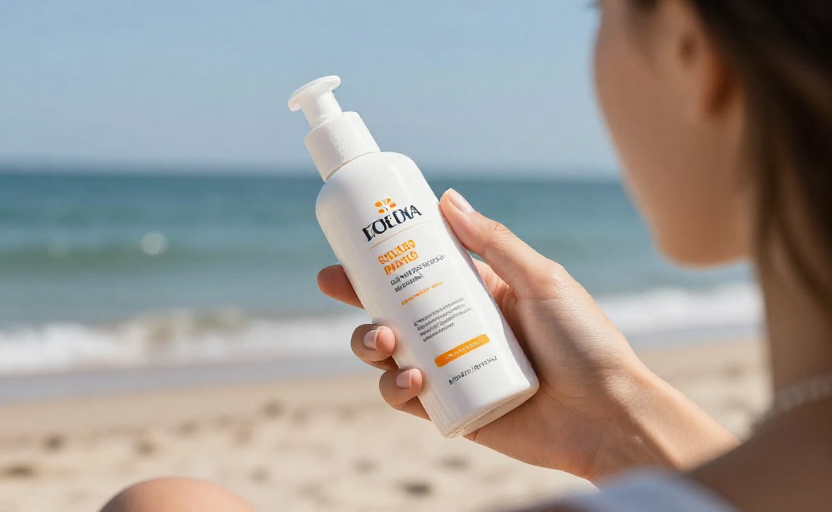
Standing in the sunscreen aisle can feel like trying to decode a secret language. SPF numbers, star ratings, broad spectrum claims—it is easy to grab the first tube and hope for the best. But not all sunscreens are created equal, and knowing how to read a sunscreen label is the difference between adequate protection and a painful sunburn that may carry long-term consequences for your skin.
This guide will walk you through exactly what to look for on any sunscreen label so you can confidently choose full UVA and UVB protection every time.
Why UVA and UVB Protection Both Matter
Ultraviolet radiation from the sun comes in two main types that affect your skin differently. UVB rays are the ones responsible for sunburn and play a key role in developing skin cancer. UVA rays, on the other hand, penetrate deeper into the skin and are primarily linked to premature aging, wrinkles, and also contribute to skin cancer risk.
A sunscreen that only protects against UVB rays leaves your skin vulnerable to UVA damage—and vice versa. That is why the label must clearly indicate broad spectrum protection, meaning it has been tested to shield against both types of radiation.
Quick check: If the label does not say "broad spectrum" or "UVA/UVB protection," put it back on the shelf.
Decoding SPF: What the Number Really Means
SPF stands for Sun Protection Factor, and it measures how well a sunscreen protects against UVB rays only. An SPF 30 sunscreen blocks about 97 percent of UVB rays, while SPF 50 blocks about 98 percent. The difference might sound small, but for people with fair skin or a history of sun sensitivity, that extra percentage matters.
It is also important to know that SPF does not scale linearly. SPF 15 blocks about 93 percent of UVB rays; SPF 30 blocks 97 percent; and SPF 50 blocks 98 percent. Beyond SPF 50, the increase in protection is marginal—no sunscreen blocks 100 percent of UVB rays.
What SPF does NOT tell you: How well the product protects against UVA rays. That is why you must look for additional indicators on the label.
How to Spot UVA Protection on the Label
In the United States, the FDA requires that sunscreens labeled "broad spectrum" pass a specific test proving they provide proportional UVA protection relative to their SPF. So if you see "broad spectrum SPF 30," you can trust it offers balanced UVA and UVB coverage.
In Europe and Asia, you may see a UVA rating system using stars or a circle with "UVA" inside. The Boots Star Rating system (common in the UK) ranges from one to five stars, with three stars or higher generally considered good UVA protection. Some international brands also display a PA rating (PA+, PA++, PA+++, or PA++++), which originated in Japan and measures UVA protection specifically. More plus signs mean higher UVA defense.
For most shoppers in the US, the simplest rule is: Buy sunscreens labeled "broad spectrum" and you will be covered for both UVA and UVB.
Water Resistance vs. Waterproof
You will never see "waterproof" or "sweatproof" on a legitimate sunscreen label—the FDA banned those terms because no sunscreen is truly waterproof. Instead, look for "water resistant" followed by a time limit: 40 minutes or 80 minutes. This tells you how long the formula is expected to maintain its SPF level while swimming or sweating.
After that time, or after toweling off, you need to reapply. Water resistance is a must if you plan to be active outdoors, but even "water resistant" sunscreens require reapplication every two hours for full protection.
Chemical vs. Mineral Sunscreens: Check the Active Ingredients
The ingredient list reveals whether a sunscreen is chemical or mineral (also called physical). Both types can provide excellent broad spectrum protection if formulated correctly, but they work differently.
- Chemical sunscreens absorb UV radiation and convert it into heat, which is then released from the skin. Common active ingredients include avobenzone, oxybenzone, octinoxate, and homosalate.
- Mineral sunscreens sit on top of the skin and physically reflect UV rays. Key ingredients to look for: zinc oxide or titanium dioxide. These are often recommended for sensitive skin.
If you have concerns about chemical filters being absorbed into the bloodstream—a topic of ongoing FDA research—mineral sunscreens are a safe alternative that still offers full UVA/UVB protection when labeled broad spectrum.
Expiration Dates and Storage
Sunscreen loses effectiveness over time. Check the expiration date printed on the bottle. If there is no date, most manufacturers recommend replacing sunscreen three years from the purchase date. Heat and direct sunlight can degrade the formula faster, so store your sunscreen in a cool, shaded place or a beach bag rather than leaving it in a hot car.
Visible changes like separation, clumping, or a strange smell are also signals that the product is past its prime.
Putting It All Together: A Quick Label-Check Routine
Next time you reach for a sunscreen, run through these five steps:
- Check for broad spectrum — this is non-negotiable for UVA/UVB coverage.
- Find the SPF — SPF 30 or higher is the standard recommendation.
- Read the water resistance — 40 or 80 minutes if you will be in water or sweating.
- Look at active ingredients — decide if you prefer chemical or mineral protection.
- Verify the expiration date — expired sunscreen offers inconsistent protection.
Armed with this knowledge, you can shop with confidence and protect your skin from both burning and long-term damage. Sunscreen is your first line of defense—but only if you choose the right one and use it correctly.