Choosing a moisturizer for oily skin can feel like decoding a foreign language. You want hydration without clogged pores, but many products promise light texture while actually being packed with heavy oils or fillers. Learning to read a label — not just the front-of-box claims — is the skill that separates trial and error from a steady routine.
This isn’t about memorizing every ingredient on the INCI list. It’s about knowing a handful of patterns: which words signal that a product will sit well on oily or acne-prone skin, and which are red flags for congestion. Below is a straightforward breakdown of label sections and what they really mean for your skin type.
Start with the texture claim
The first thing many people look for is a word like “gel,” “water-based,” or “oil-free.” These are useful categories, but they aren’t regulated — any brand can call a cream “oil-free” even if it contains fatty esters. A better approach is to cross-reference the texture claim with the ingredients list.
For oily skin, you generally want a formula that feels lightweight and dries down without a greasy film. Look for:
- Gel-cream or gel moisturizer – These often have a high water content and minimal emollients.
- Mattifying moisturizer – Usually contains powders or starches that absorb excess surface oil.
- Non-comedogenic – This means the product was formulated to not clog pores. It’s not a perfect guarantee, but it’s a helpful starting point.
Check the oil-phase ingredients
Even “oil-free” moisturizers can contain ingredients that act like oils on the skin. The real test is scanning the ingredient list for pore-clogging culprits. Common ones for people with oily or combination skin include:
- Coconut oil (highly comedogenic for many)
- Shea butter (heavy for some skin types)
- Isopropyl myristate and isopropyl palmitate – synthetic esters that can feel lightweight but may trigger breakouts.
- Lanolin and petrolatum – occlusives that can feel suffocating on oily skin.
That doesn’t mean you must avoid every rich ingredient. A small amount of a non-comedogenic oil such as squalane, jojoba, or grapeseed oil can actually help balance sebum production.
Look for humectants over heavy moisturizers
Oily skin still needs water — it might even be slightly dehydrated underneath the shine. That’s where humectants come in. These are ingredients that draw moisture into the top layer of skin without adding greasiness. The most common ones are easy to spot on a label:
- Glycerin – A classic, water-soluble humectant found in almost any hydrating formula.
- Hyaluronic acid (sodium hyaluronate) – Lightweight and very effective at holding water.
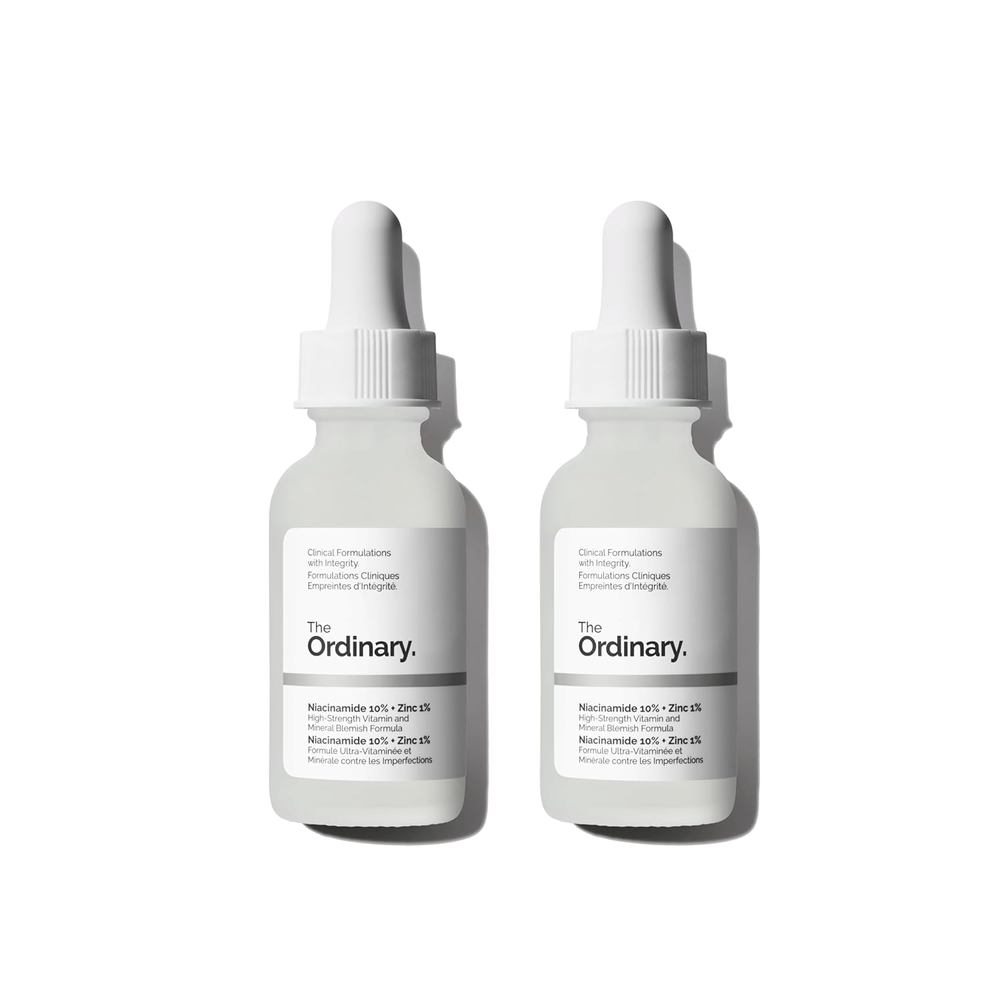
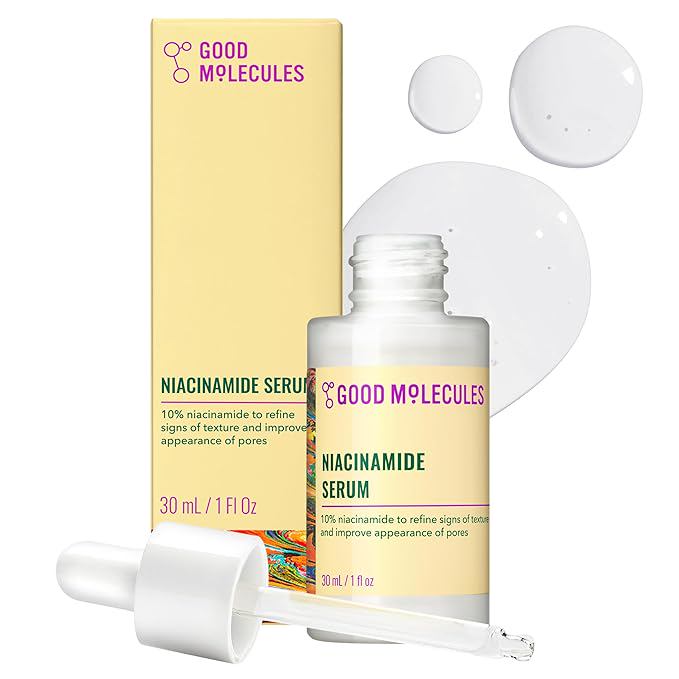
- Niacinamide – A form of vitamin B3 that boosts hydration while helping regulate oil and reduce redness.
- Panthenol (pro-vitamin B5) – Soothes and retains moisture without clogging pores.
If the first few ingredients on the label are water and a humectant, and the fatty or oil-based ingredients appear further down, the product is likely a good match for oily skin.
Understand the “active” additions
Some moisturizers for acne-prone or oily skin also contain mild exfoliants or oil regulators. These aren’t as strong as a dedicated serum, but they can support a clearer complexion over time:
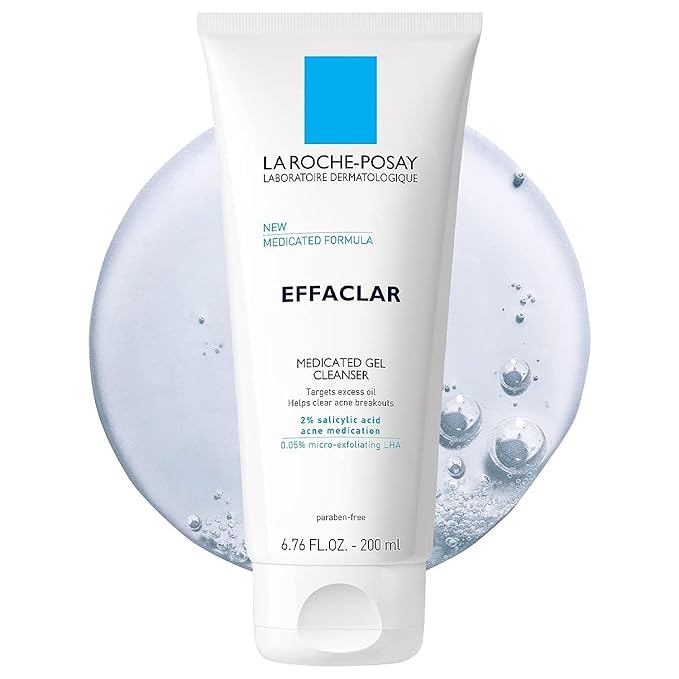
- Salicylic acid (BHA) – Penetrates into pores to clear out excess sebum and dead cells.
- Lactic or glycolic acid (AHA) – Surface exfoliants that smooth texture.
- Zinc or clay (often kaolin) – Absorbs surface oil and provides a matte finish.
- Tea tree oil – Natural antibacterial; can be helpful in small amounts but may irritate sensitive skin.
Be cautious if you’re already using a separate treatment product (like a BHA serum or retinol). Layering too many actives can lead to dryness and irritation, which may paradoxically make your skin produce more oil.
Watch for common hidden irritants
Oily or acne-prone skin is often also sensitive. Even if a moisturizer checks all the right boxes for texture and oil control, it might still cause breakouts or redness due to:
- Fragrance (listed as “parfum” or “fragrance”) – Common skin sensitizer.
- Alcohol denat. (or SD alcohol, isopropyl alcohol) – Can strip the skin, leading to rebound oiliness and barrier damage.
- Menthol, camphor, or eucalyptus – Often added for a cooling sensation, but can be irritating.
A good rule: if a moisturizer smells very strongly of anything, and you have reactive skin, test it on a small patch first. Fragrance-free is generally safer for daily use on oily, breakout-prone skin.
A simple label-reading checklist
When you pick up a moisturizer bottle in a store or scan a product page online, run through these points mentally:
- Does the product say “gel,” “water-based,” or “non-comedogenic”?
- Are the first few ingredients water and humectants (glycerin, hyaluronic acid, niacinamide)?
- Does it contain a gentle oil-regulating active (niacinamide, salicylic acid, clay)?
- Is it free from heavy oils, waxes, and drying alcohols?
- Is it fragrance-free or very lightly scented?
The more checks you can tick, the better the chances the moisturizer will feel comfortable on your skin without causing congestion or irritation.
When in doubt, patch test
Even the best label analysis can’t predict your individual skin’s reaction. If you’re trying a new product, dab a small amount on your jawline or behind the ear for a couple of days. This is especially important if you have known sensitivities or if the product contains a new active you haven’t used before.
Reading a moisturizer label for oily skin is less about memorizing an encyclopedia of chemicals and more about learning a few recurring patterns. Prioritize lightweight textures, humectant-rich formulas, and avoid ingredients that are known to cause congestion or irritation. With practice, it becomes an intuitive skill — and your skin will thank you for it.