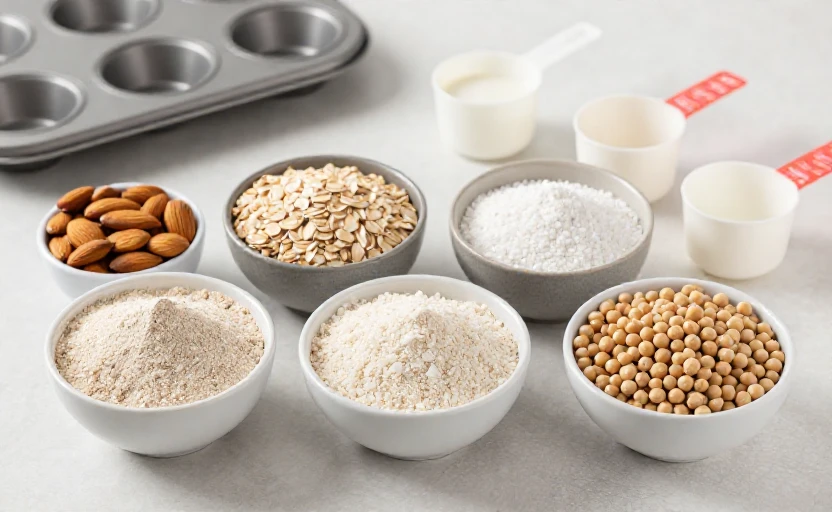
Finding yourself ready to bake, only to realize you're out of your usual gluten-free flour blend, can feel like hitting a wall. The good news is that your pantry likely holds a simple, single-ingredient solution. With a bit of know-how, you can make quick, effective substitutions that keep your recipe on track without a special trip to the store.
This guide focuses on straightforward, one-to-one swaps using common gluten-free flours you might have on hand. We’ll cover how to choose the right one for your recipe, what to expect in terms of texture, and a few simple tips to ensure your baked goods turn out beautifully.
Understanding the Role of Flour in Baking
Before reaching for a substitute, it helps to understand what you’re replacing. In gluten-free baking, commercial all-purpose blends are meticulously formulated to mimic the structure, tenderness, and browning that wheat flour provides. When you substitute a single flour, you’re replacing a complex team with a solo player. The goal isn’t perfection, but a workable, tasty result.
The most successful quick swaps happen in recipes where the flour isn’t the sole structural star—think muffins, quick breads, brownies, and cookies.
Your Pantry Substitution Guide
Here are the most accessible single-flour substitutions, ranked by versatility. Remember, these work best in a pinch for the right type of recipe.
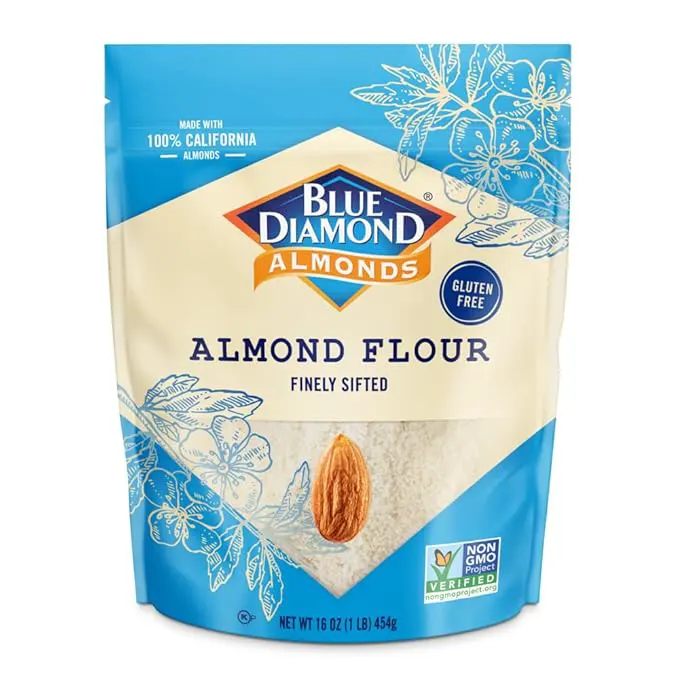
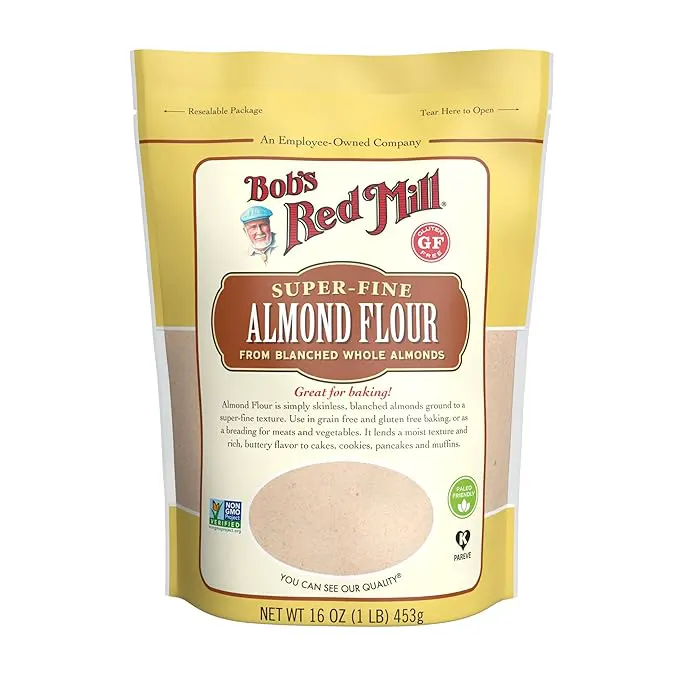
Almond Flour: The Dense & Moist Choice
Finely ground blanched almonds create a flour that’s rich in protein and fat. It adds wonderful moisture and a tender, dense crumb. Because it lacks starch, it doesn’t bind the same way a blend would.
Best for: Dense baked goods like flourless cakes, tea cakes, and some cookies. It’s a natural fit for recipes already high in eggs, which provide structure.
What to expect: Your bake will be moister, denser, and may brown more quickly. You cannot substitute it cup-for-cup in delicate cakes or yeasted breads expecting a light, airy result.
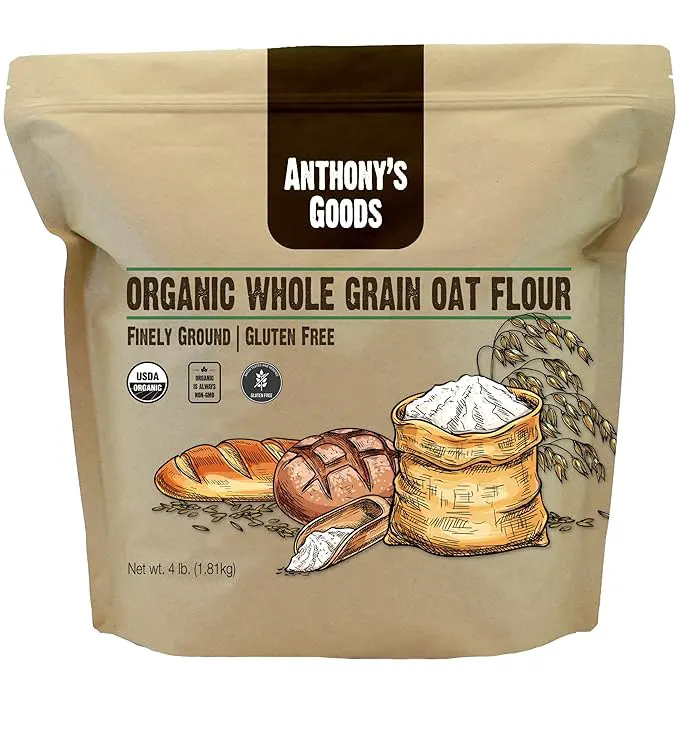
Oat Flour: The Hearty, Neutral Option
Simply ground gluten-free oats yield a flour with a mild, slightly sweet flavor. It contains a fiber called beta-glucan, which can help with binding and adds a pleasant, hearty texture.
Best for: Hearty muffins, pancakes, fruit crisps, and some breads. It’s excellent in recipes where a wholesome, oaty flavor is welcome.
What to expect: Creates a softer, more crumbly texture than a blend. For better binding, you might add an extra tablespoon of a starch like cornstarch or an extra egg white per cup of oat flour in some recipes.
Coconut Flour: The Highly Absorbent Flour
This flour, made from dried coconut meat, is in a league of its own. It’s extremely absorbent, soaking up huge amounts of liquid. A direct one-to-one swap will almost certainly fail.
How to use it as a quick sub: You can often replace up to 20-25% of another flour in a recipe with coconut flour. For example, if a recipe calls for 1 cup of gluten-free blend, you could use 3/4 cup of almond flour and 1/4 cup of coconut flour. You will almost always need to increase the liquid and eggs in the recipe significantly.
Chickpea Flour (Garbanzo Bean Flour): The Savory Specialist
With a distinct, earthy flavor and high protein content, chickpea flour is a binding powerhouse. Its taste is more pronounced, making it ideal for certain applications.
Best for: Socca, flatbreads, fritters, and savory pancakes. It can work in some dense, spiced baked goods like gingerbread, where its flavor can be complementary.
What to expect: Not a neutral flavor. It’s best reserved for recipes where its bean-like taste is an asset, not a distraction. To mellow the raw flavor, you can lightly toast the flour in a dry pan before using.
Essential Tips for Success
A quick substitution is more likely to succeed if you adjust your technique slightly. These small steps can make a big difference.
- Mix with confidence. Once you add your dry ingredients, mix the batter just until combined. Overmixing can lead to a gummy or tough texture, especially with alternative flours.
- Let the batter rest. Giving your batter 5-10 minutes to hydrate before baking allows the flours to fully absorb the liquids, improving texture and reducing graininess.
- Don’t skip the binder. If your original recipe relies on a gluten-free blend that contains xanthan or guar gum, and your single flour substitute doesn’t bind well, adding 1/4 teaspoon of xanthan gum per cup of flour can help mimic that structure.
- Embrace imperfection. A last-minute swap might yield a slightly denser muffin or a more crumbly cookie. That’s okay. The victory is in the delicious, homemade result you created with what you had.
Ultimately, the ability to improvise with gluten-free flours is a liberating kitchen skill. It moves you from reliance on a specific product to an understanding of ingredients. Start by trying a simple swap in a forgiving recipe, note the texture and flavor, and build your confidence from there. Your baking will become more flexible, creative, and resilient for it.